Are you thinking about using heat treatment to get rid of pests in your home? It’s a powerful method, but you might be wondering—can heat treatment damage your home?
This question is important because you want to protect your space while solving your pest problem. You’ll discover what heat treatment really does, the risks involved, and how to keep your home safe. Keep reading to learn what you need to know before making a decision that affects your comfort and peace of mind.
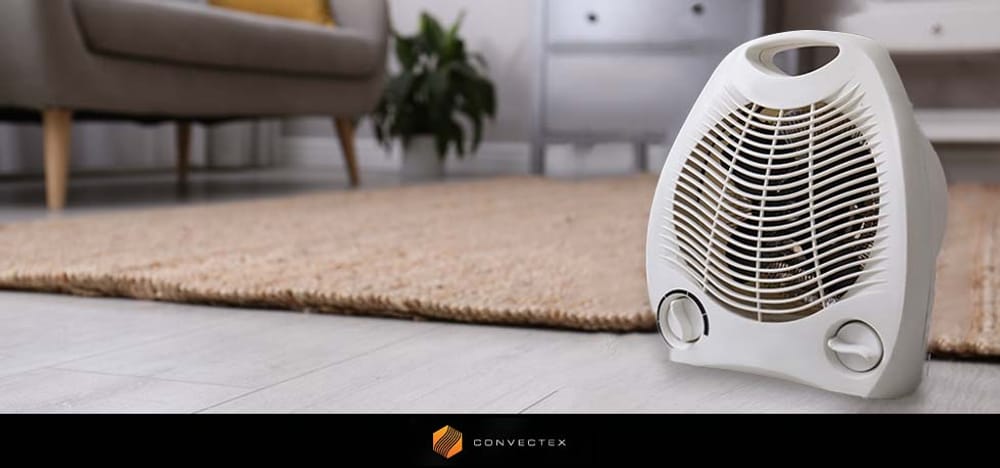
Credit: convectex.com
How Heat Treatment Works
Heat treatment uses high temperatures to control pests. It kills insects and their eggs by heating the area.
This method is safe when done correctly. It does not leave chemicals or harmful residues behind.
Basics Of Heat Treatment
Heat treatment raises the temperature of a room or building. It uses special heaters and fans to spread the heat evenly.
The pests die when the temperature reaches a certain level for a set time. This heat destroys their cells and eggs.
Common Uses In Pest Control
- Termite elimination in homes
- Bed bug removal from furniture
- Control of cockroaches and ants
- Fumigation alternative for sensitive areas
Heat treatment works well in places where chemicals cannot be used. It is fast and effective against many pests.
Temperature And Exposure Time
| Temperature (°F) | Exposure Time | Effect on Pests |
| 120 - 130 | 30 - 60 minutes | Kills most insects and eggs |
| 135 - 150 | 15 - 30 minutes | Kills heat-resistant pests |
| Above 150 | Less than 15 minutes | Used in special cases |
Potential Risks To Your Home
Heat treatment is a method used to control pests in homes. It involves raising the temperature to kill bugs and insects. While effective, heat treatment can cause damage to certain parts of your home.
Understanding the risks can help you prepare and protect your property. Here are some common areas that may be affected by heat treatment.
Damage To Wood And Flooring
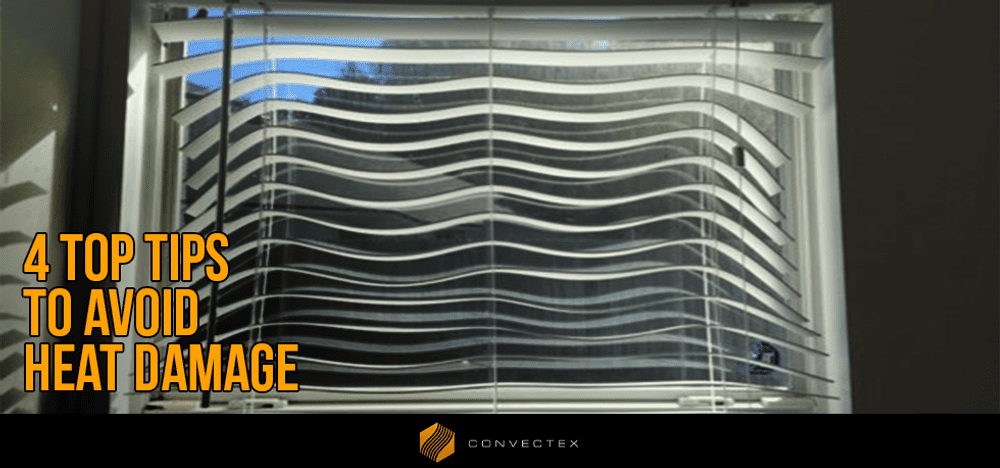
Wood and flooring materials can react badly to high heat. The heat may cause warping, cracking, or discoloration. Older wood is more at risk of damage during the process.
- Wood can dry out and split
- Floorboards may lift or separate
- Glue used in flooring can weaken
- Laminate floors may bubble or peel
Effects On Electronics And Appliances
Heat treatment can harm electronics and appliances. High temperatures may cause internal parts to fail or batteries to leak. It is best to remove or protect these items before treatment.
| Item | Possible Damage |
| TVs and Computers | Overheating, screen damage |
| Kitchen Appliances | Motor failure, wiring damage |
| Batteries | Leakage, explosion risk |
Impact On Paint And Finishes
Heat treatment may affect paint and surface finishes. High heat can cause bubbling, peeling, or fading of paint. Glossy and delicate finishes are especially vulnerable.
- Paint may blister and peel
- Varnish can crack or soften
- Wallpaper glue may loosen
- Wood stains might fade
Signs Of Heat Treatment Damage
Heat treatment is a way to control pests in your home. It uses high temperatures to kill insects and bugs. Sometimes, the heat can cause damage to your house.
Knowing the signs of heat treatment damage helps you act fast. It can save your home from more problems later.
Warped Or Cracked Surfaces
High heat can make wood and other materials warp or crack. Floors, walls, and furniture may show changes after treatment.
Look for uneven or bent surfaces. Cracks may appear in places that were smooth before.
- Wood floors might lift or buckle
- Wall panels can bend or split
- Doors and windows may not close properly
Malfunctioning Devices
Heat can harm electronics and appliances inside your home. Devices may stop working or work poorly after treatment.
Check your thermostat, smoke detectors, and other gadgets. They might need repair or replacement if damaged.
- Remote controls may fail to respond
- Smoke alarms might beep or not work
- Heating and cooling systems could act strange
Discoloration And Peeling
Heat can change the color of paint or wallpaper. You may see fading, dark spots, or peeling in treated areas.
Look closely at walls and ceilings for any unusual marks or flakes. These signs show the heat affected the surface.
- Paint may bubble or crack
- Wallpaper edges might peel away
- Wood surfaces can lose their finish

Credit: billstermiteco.com
Preventive Measures To Protect Your Home
Heat treatment is a common method to eliminate pests. It uses high temperatures to kill bugs. But it can also risk damage to your home. Here are some ways to protect your home before, during, and after heat treatment.
Preparing Your Home Before Treatment
Remove heat-sensitive items from your home. Things like candles, electronics, and plants can get damaged. Cover or move them to a safe place.
Inspect your home for open vents or cracks. Seal them to prevent heat from escaping. This helps the treatment work better.
- Remove fragile items
- Seal vents and cracks
- Check for exposed wires
Choosing Experienced Professionals
Select professionals who know how to handle heat treatments. Experienced workers will know how to protect your home. They follow safety guidelines to minimize risks.
Ask for references and read reviews. This helps ensure you pick the right people for the job.
- Check licenses and certifications
- Read customer reviews
- Ask about their safety measures
Post-treatment Inspection
After treatment, inspect your home for any damage. Look for cracked walls, damaged furniture, or broken items. Report these to the professionals immediately.
Make sure to ventilate your home well. Open windows and doors to let fresh air circulate. This helps remove any lingering heat.
- Check for visible damage
- Open windows for ventilation
- Contact professionals for repairs
Alternatives To Heat Treatment
Heat treatment can help control pests, but it may cause damage to your home. Some materials and furniture might not handle high heat well. There are other options to keep pests away without using heat.
These alternatives use different ways to get rid of pests safely. You can choose one based on your home’s needs and the type of pests you face.
Chemical Treatments
Chemical treatments use pesticides to kill pests. These chemicals come in sprays, powders, or baits. They work by targeting the pests directly or their nests.
It is important to use chemicals safely. Always follow instructions and keep children and pets away during treatment.
- Sprays can reach hard-to-find pests
- Baits attract pests to eat poison
- Powders work in cracks and crevices
Cold Treatments
Cold treatments use very low temperatures to kill pests. Freezing pests can stop their growth and reproduction. This method is gentle on furniture and walls.
Cold treatments can take longer than heat but reduce the risk of damage. They work well for items that cannot handle heat.
- Freeze infested items for several days
- Use cold rooms or special equipment
- Safe for most household materials
Integrated Pest Management
Integrated Pest Management, or IPM, uses many ways to control pests. It focuses on prevention, monitoring, and using the least harmful methods. This approach reduces damage to your home and environment.
IPM may include cleaning, sealing entry points, and using traps. It uses chemicals only when needed and in small amounts.
- Inspect your home regularly for pests
- Keep your home clean and dry
- Seal cracks and holes to block pests
- Use traps and natural predators
- Apply chemicals only as a last step
Real Homeowner Experiences
Heat treatment is a common way to get rid of pests in homes. Many homeowners try it to protect their property. Some have good results while others face problems. Learning from real experiences helps understand the risks and benefits.
This article shares stories from people who used heat treatment. They talk about what worked, what went wrong, and what they learned.
Success Stories
Many homeowners report that heat treatment cleared their pest problems fast. They say it was effective and caused little damage.
One family got rid of termites in one day. The house was heated evenly, and no belongings were harmed. They felt safe soon after.
- Termite removal in under 24 hours
- No damage to furniture or walls
- Quick return to normal living
Instances Of Damage
Not all heat treatments go smoothly. Some homeowners noticed damage after the process. High temperatures can affect certain materials.
One homeowner found that wooden floors warped after heating. Another had smoke stains on ceilings from overheated areas. Some electronics stopped working.
- Warped wood flooring
- Smoke stains on walls and ceilings
- Damaged electronic devices
Lessons Learned
Homeowners say preparation is key. Removing heat-sensitive items can prevent damage. Covering or moving electronics helps. It is important to follow all safety advice.
Choosing experienced professionals lowers risks. Clear communication about what to expect helps families prepare better. Some suggest inspecting the home carefully after treatment.
- Remove heat-sensitive belongings
- Protect electronics and valuables
- Hire experienced heat treatment experts
- Inspect home after treatment
- Follow safety instructions closely

Credit: www.alliance-enviro.com
Frequently Asked Questions
Can Heat Treatment Cause Structural Damage To Homes?
Heat treatment, when done correctly, rarely causes structural damage. Professionals monitor temperatures carefully to protect walls, wiring, and pipes. Proper preparation minimizes risk to your home’s integrity.
Does Heat Treatment Affect Paint Or Finishes?
High heat may cause some paint or finishes to bubble or peel. However, experienced technicians use controlled temperatures to avoid damage to surfaces and finishes.
Is Heat Treatment Safe For Electrical Wiring?
Yes, heat treatment is safe for electrical wiring if done properly. Experts ensure temperatures stay within safe limits to prevent damage or fire hazards.
Can Heat Treatment Damage Wooden Furniture?
Heat treatment can dry out wood, causing minor warping or cracking if exposure is prolonged. Proper precautions and timing reduce risks to wooden furniture.
Conclusion
Heat treatment can be safe when done correctly. Poor handling might cause damage to your home. Small risks exist, but professionals reduce these risks. Proper preparation and care protect walls and floors. Always check for licensed and experienced service providers.
Your home’s safety depends on good choices and care. Heat treatment helps control pests without major harm. Choose wisely to keep your home safe and sound.