Have you ever felt dizzy, weak, or unusually sweaty after being out in the heat? These could be signs of heat exhaustion, a condition that can catch anyone off guard.
But here’s the question: can you treat heat exhaustion at home safely, or do you need urgent medical help? Knowing what to do when your body starts to overheat could make all the difference. You’ll discover simple, effective steps to cool down quickly and protect yourself from serious harm.
Keep reading to learn how you can take control and stay safe when the temperature rises.

Credit: cholarisk.com
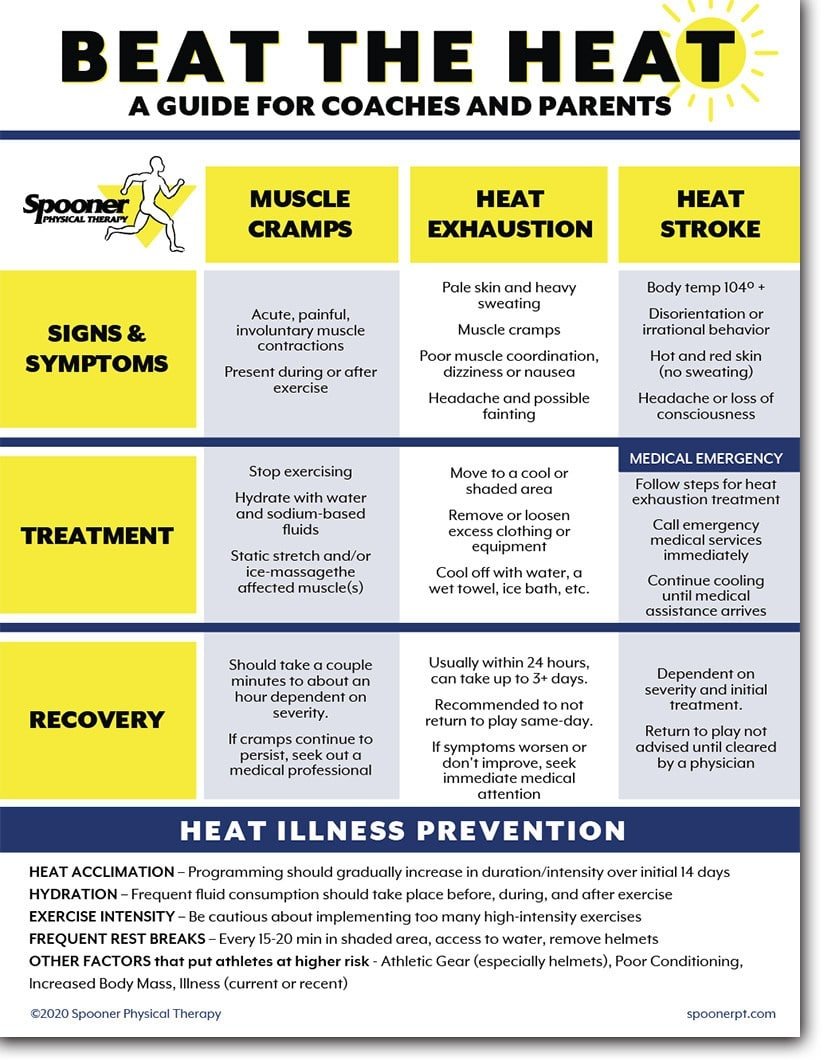
Symptoms To Watch For
Heat exhaustion can happen when your body gets too hot. It is important to know the signs early.
Recognizing symptoms helps you treat heat exhaustion at home quickly and safely.
Early Warning Signs
Early signs show your body is stressed by heat but can still recover with care.
Look out for these common early symptoms that you can treat at home:
- Heavy sweating
- Feeling weak or tired
- Dizziness or lightheadedness
- Cold, pale, and clammy skin
- Nausea or vomiting
- Headache
- Muscle cramps
Severe Symptoms
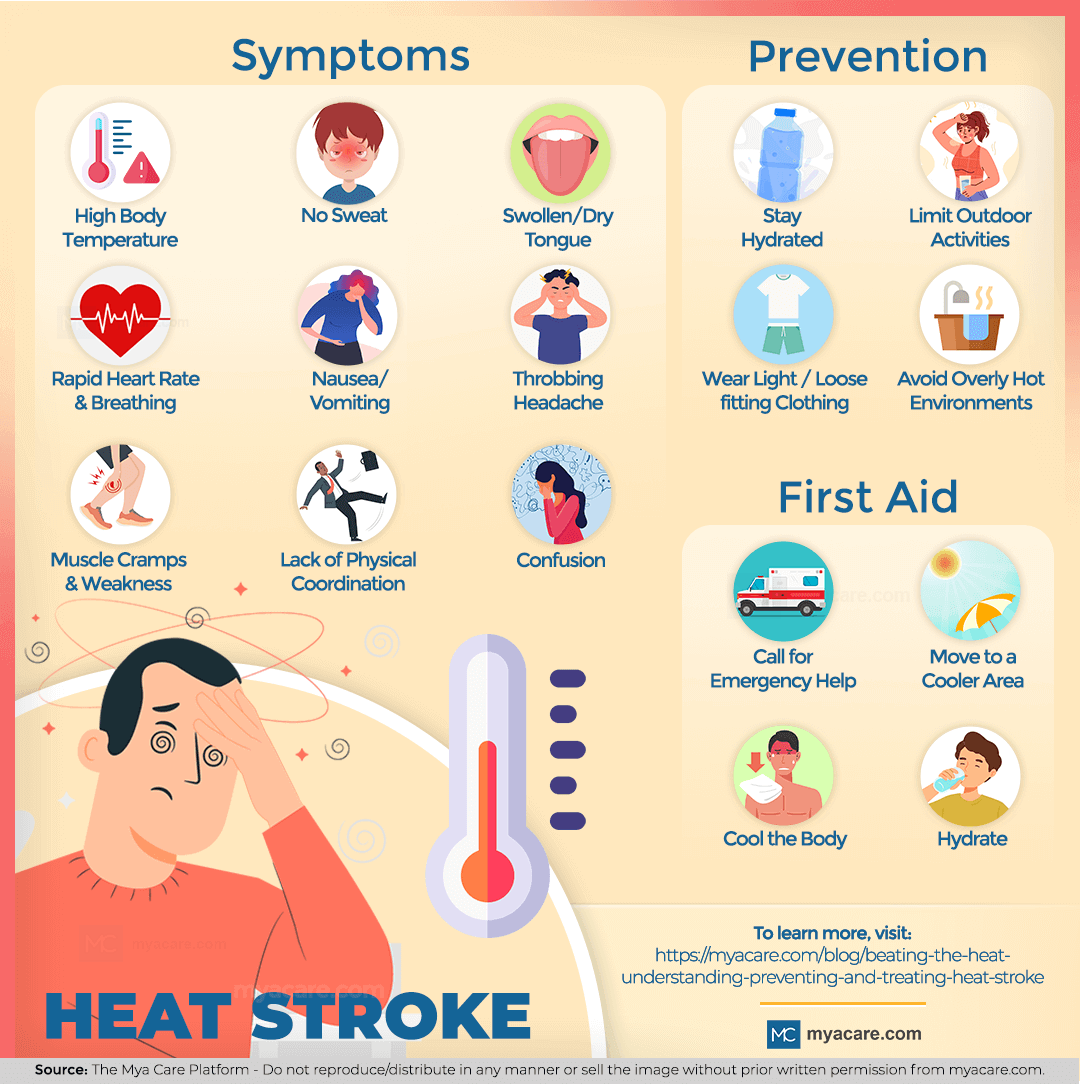
Severe heat exhaustion can turn into heat stroke, a medical emergency. Act fast if you see these signs.
Severe symptoms need urgent care and may not be safe to treat only at home.
- High body temperature above 103°F (39.4°C)
- Confusion or trouble speaking
- Fainting or passing out
- Seizures
- Very dry skin with no sweating
- Rapid heartbeat or breathing
Immediate Home Treatments
Heat exhaustion happens when the body gets too hot. It can cause dizziness, headache, and weakness. You can treat it safely at home if you act quickly.
Use simple steps to cool the body and restore fluids. Rest is important to help the body recover fully. Here are ways to treat heat exhaustion at home.
Cooling Techniques
Lower the body temperature fast to stop heat exhaustion. Move to a cool place like indoors or shade. Remove extra clothing to help sweat evaporate.
Use cool water on the skin or take a cool bath. Apply cold compresses to the forehead, neck, and wrists. Use fans or air conditioning if available.
- Find a shaded or air-conditioned area
- Remove tight or heavy clothing
- Use cool water or cold compresses
- Turn on fans or air conditioning
Hydration Tips
Drink plenty of fluids to replace what is lost from sweating. Water is the best choice. Avoid drinks with caffeine or alcohol because they cause dehydration.
Take small sips often instead of drinking a lot at once. If you have sports drinks with electrolytes, they can help balance salts in the body.
- Drink water frequently in small amounts
- Avoid caffeine and alcohol
- Use electrolyte drinks if available
- Do not force fluids if nauseous
Rest And Recovery
Rest helps the body heal after heat exhaustion. Lie down and keep the feet slightly raised. Stay in a cool place until feeling better.
Avoid physical activity and direct sunlight for at least a day. Watch for worsening symptoms like confusion or vomiting. Get medical help if symptoms do not improve.
- Rest in a cool, shaded area
- Keep feet raised slightly
- Avoid exercise and heat exposure
- Seek medical help if symptoms worsen
Natural Remedies That Help
Heat exhaustion happens when your body gets too hot. It can cause dizziness, weakness, and sweating. You can treat mild heat exhaustion safely at home using natural remedies.
These remedies help cool your body and restore fluids. They support quick recovery without using medicines.
Herbal Teas And Drinks
Drinking herbal teas and natural drinks can cool your body and keep you hydrated. They also help soothe your digestive system after heat stress.
- Mint tea cools the body and refreshes the mind.
- Chamomile tea calms nerves and reduces inflammation.
- Coconut water replenishes electrolytes lost through sweat.
- Barley water helps lower body temperature and hydrate.
- Lemon water provides vitamin C and aids hydration.
Cooling Foods
Eating foods that have high water content helps cool your body from inside. These foods also provide important vitamins and minerals.
| Food | Cooling Effect | Benefits |
| Cucumber | High water content | Hydrates and cools skin |
| Watermelon | Rich in water and antioxidants | Rehydrates and reduces heat stress |
| Yogurt | Contains probiotics and moisture | Soothes stomach and cools body |
| Leafy greens | High in water and fiber | Hydrates and supports digestion |
| Celery | Water-rich and low calorie | Refreshes and replenishes fluids |

Credit: www.arnold.af.mil
When To Seek Medical Help
Heat exhaustion can sometimes be treated at home with rest and fluids. Still, it can turn serious if ignored. Knowing when to see a doctor is important for safety.
If symptoms get worse or do not improve, medical help is needed. Some signs show the condition is urgent and must not be delayed.
Signs Of Heat Stroke
Heat stroke is a severe form of heat illness. It needs immediate medical care. Watch for these signs:
- High body temperature above 103°F (39.4°C)
- Confusion or trouble thinking clearly
- Loss of consciousness or fainting
- Hot, dry skin or heavy sweating stops suddenly
- Rapid heartbeat or breathing
- Seizures or convulsions
If any of these signs appear, call emergency services right away.
Emergency Actions
While waiting for help, take quick steps to cool the person. These actions can save their life.
- Move them to a cooler place out of the sun
- Remove extra clothing to help cool down
- Use a cool, wet cloth or spray water on the skin
- Fan the person to help lower body temperature
- Offer small sips of water if they are awake and alert
- Do not give medicine to reduce fever unless told by a doctor
Do not leave the person alone. Stay with them until medical help arrives.
Preventing Heat Exhaustion
Heat exhaustion can happen when your body gets too hot. It can cause dizziness, headache, and weakness. You can avoid heat exhaustion by taking simple steps every day.
Knowing how to stay cool and safe is important, especially during hot weather. These tips help you protect yourself and your family.
Smart Clothing Choices
Wear loose and light clothes to stay cool. Natural fabrics like cotton let your skin breathe better than synthetic ones.
Light colors reflect sunlight and keep you cooler. Avoid dark colors that absorb heat and make you feel hotter.
- Choose loose-fitting clothes
- Pick light colors like white or beige
- Wear hats with wide brims for shade
- Use sunglasses to protect your eyes
Staying Hydrated
Drink plenty of water throughout the day. Your body needs fluids to cool down and work properly.
Avoid drinks with caffeine or alcohol. These can make you lose water faster and increase the risk of heat exhaustion.
- Carry a water bottle with you
- Drink water even if you do not feel thirsty
- Eat fruits with high water content like watermelon
- Limit sugary or caffeinated drinks
Avoiding Peak Heat Hours
Stay indoors or in shaded places during the hottest part of the day. This usually happens between 10 a.m. and 4 p.m.
If you need to go outside, take frequent breaks in cool areas. Rest often to help your body stay safe from heat.
- Plan outdoor activities early or late in the day
- Find shade when resting outside
- Use fans or air conditioning if possible
- Wear sunscreen to protect your skin
Credit: myacare.com
Frequently Asked Questions
What Are Common Symptoms Of Heat Exhaustion?
Heat exhaustion symptoms include heavy sweating, weakness, dizziness, headache, nausea, and muscle cramps. Early recognition helps prevent severe heat-related illnesses.
Can Heat Exhaustion Be Treated Safely At Home?
Yes, mild heat exhaustion can be treated at home by resting in a cool place, drinking fluids, and cooling the skin.
When Should I Seek Medical Help For Heat Exhaustion?
Seek medical help if symptoms worsen, confusion occurs, fainting happens, or if home treatment doesn’t improve your condition.
How Long Does It Take To Recover From Heat Exhaustion?
Recovery usually takes a few hours to a day with proper rest, hydration, and cooling measures.
Conclusion
Heat exhaustion needs quick care to avoid serious problems. Rest in a cool place and drink plenty of water. Remove tight or heavy clothing to help cool down. Watch for warning signs like confusion or fainting. Severe symptoms require medical help right away.
Treating mild heat exhaustion at home can work. Stay safe by preventing overheating during hot days. Remember, your health comes first in hot weather.