Are you wondering if you can use diesel fuel to heat your home? It’s a question many homeowners ask, especially when faced with high heating costs or supply shortages.
Understanding the difference between diesel fuel and home heating oil can save you money and prevent costly damage to your heating system. Keep reading to discover what you need to know before making a switch, so you can keep your home warm and your wallet safe.
Credit: blog.greenenergyconsumers.org
Differences Between Diesel And Heating Oil
Diesel fuel and heating oil look alike but serve different purposes. Both come from crude oil but have different blends. Using one instead of the other can cause problems in engines or heating systems.
Knowing their differences helps prevent damage and ensures safe use. This guide explains how they differ in chemical makeup, additives, and appearance.
Chemical Composition
Diesel and heating oil share similar hydrocarbons but vary in purity and refining. Diesel has more strict standards for engine use. Heating oil is less refined and contains more impurities.
Diesel often has a higher cetane rating, which helps engines start and run smoothly. Heating oil is designed to burn slower for steady heat in furnaces.
- Diesel: Higher cetane, cleaner fuel
- Heating Oil: More impurities, slower burn
- Both: Made from crude oil
Additives And Formulations
Diesel fuel contains additives to improve engine performance. These include detergents and anti-gel agents. Heating oil usually lacks these additives because it is for burning, not engines.
Heating oil may include biocides to prevent bacteria growth in tanks. Diesel has stricter additive rules for emissions and engine protection.
- Diesel: Detergents, anti-gel, emission control additives
- Heating Oil: Biocides to prevent tank bacteria
- Additives differ due to fuel use
Color And Odor Distinctions
Heating oil is dyed red to show it is tax-exempt and not for road use. Diesel fuel is clear or slightly yellow. The color helps prevent misuse of fuels.
Heating oil smells stronger and more pungent. Diesel has a milder smell because it is refined for engines. Color and odor help identify each fuel easily.
- Heating Oil: Red dye, strong odor
- Diesel Fuel: Clear or yellow, milder smell
- Color and smell prevent fuel confusion
Compatibility Of Diesel Fuel For Home Heating
Diesel fuel is sometimes considered for home heating oil use. People want to know if it works well in heating systems designed for oil. The answer depends on several factors related to the equipment and fuel properties.
This article reviews diesel fuel's compatibility with home heating. We focus on boiler and furnace needs, performance, and risks.
Boiler And Furnace Requirements
Home heating boilers and furnaces require fuel that meets specific standards. Diesel fuel can be used, but the system must handle its properties. Some systems may need adjustments to run safely with diesel.
- Check if the burner supports diesel fuel viscosity and flash point.
- Ensure fuel filters are compatible with diesel's additives.
- Confirm the fuel delivery system can handle diesel without leaks.
- Adjust burner settings for efficient combustion of diesel fuel.
Performance And Efficiency
Diesel fuel burns differently than standard home heating oil. Efficiency and heat output may vary. Diesel often has a higher energy content but can affect burner operation.
| Fuel Type | Energy Content (BTU/gallon) | Typical Efficiency |
| Home Heating Oil | 138,500 | 80% - 85% |
| Diesel Fuel | 139,000 | 78% - 83% |
Potential Risks And Issues
Using diesel fuel as home heating oil can cause some problems. These risks come from fuel quality, system compatibility, and safety concerns.
- Increased risk of nozzle clogging due to diesel additives.
- Possible damage to seals and gaskets not designed for diesel.
- Higher cost compared to typical heating oil in some areas.
- Environmental regulations may restrict diesel for home heating.
Legal And Regulatory Considerations
Using diesel fuel as home heating oil raises important legal and regulatory issues. Laws vary by region, affecting how fuels can be used and taxed.
Understanding these rules helps avoid fines and ensures safe, legal fuel use in your home heating system.
Fuel Taxation And Pricing
Diesel fuel and home heating oil often face different tax rates. Using diesel for heating might mean paying higher taxes.
- Heating oil usually has lower tax rates than diesel fuel.
- Tax laws require fuel to be used only for its intended purpose.
- Misusing diesel fuel for heating can lead to tax penalties.
- Check local tax rules before using diesel as heating oil.
Environmental Regulations
Environmental laws control emissions and fuel quality. Diesel fuel and heating oil have different standards to protect air quality.
| Regulation Type | Diesel Fuel | Home Heating Oil |
|---|---|---|
| Sulfur Content | Very low sulfur required | Low sulfur but less strict |
| Emissions Limits | Strict limits on pollutants | Moderate limits |
| Fuel Additives | Regulated additives allowed | Fewer restrictions |
Safety Standards
Safety rules guide how fuels are stored and handled. Diesel and heating oil tanks have specific requirements to prevent accidents.
- Use approved containers and tanks for each fuel type.
- Install proper ventilation to avoid harmful fumes.
- Regularly inspect tanks for leaks or damage.
- Follow local fire codes and safety guidelines.
Cost Implications Of Using Diesel As Heating Oil
Using diesel fuel as home heating oil affects your overall heating costs. Understanding these costs helps you decide if diesel is a good choice.
We look at price comparison, long-term expenses, and availability to give a clear picture of diesel's cost effects.
Price Comparison
Diesel usually costs more than regular heating oil per gallon. This higher price can increase your monthly heating bill.
Prices vary by region and season. Diesel may be cheaper in some places but often stays above heating oil prices.
- Diesel price is higher due to taxes and refining costs
- Heating oil is sold in larger quantities, sometimes lowering price
- Seasonal demand can raise heating oil prices in winter
Long-term Expenses
Using diesel as heating oil might cause more maintenance costs. Diesel burns cleaner, but some systems need adjustments.
Fuel efficiency can change. Diesel may use more or less fuel depending on your heater type and setup.
- Possible need for equipment upgrades or modifications
- Fuel consumption rates can differ from heating oil
- Regular maintenance might increase due to fuel differences
Availability And Supply
Diesel is widely available, but its supply is mainly for vehicles. Heating oil supply is focused on home heating needs.
In some areas, diesel delivery for heating may be limited, causing higher costs or supply issues.
- Heating oil suppliers may not offer diesel for heating
- Diesel deliveries may have minimum order limits
- Supply interruptions can raise prices suddenly
Maintenance And Storage Factors
Using diesel fuel as home heating oil needs careful attention. Proper maintenance and storage help keep the fuel effective and safe.
This section explains important points about storage tanks, fuel quality, and maintenance routines.
Storage Tank Compatibility
Diesel and heating oil tanks are often similar but have differences. Make sure the tank material matches the fuel type to avoid leaks or damage.
- Steel tanks work well for both fuels but must be rust-free.
- Plastic tanks need to be rated for diesel use.
- Check seals and fittings for compatibility.
- Avoid using old tanks without inspection.
Fuel Stability And Quality
Diesel fuel can degrade if stored too long or in poor conditions. This affects heating efficiency and equipment life.
| Factor | Effect | Tip |
| Exposure to air | Oxidation leads to sludge | Keep tank sealed |
| Water contamination | Causes corrosion and microbes | Drain water regularly |
| Temperature changes | Fuel thickens or separates | Store in stable temperature area |
| Storage time | Fuel loses quality after 6-12 months | Use fuel within recommended time |
Maintenance Requirements
Regular checks and cleaning extend the life of your heating system and prevent fuel problems.
- Inspect tanks for leaks and rust.
- Test fuel quality before each heating season.
- Clean filters and replace them as needed.
- Remove water from the bottom of tanks regularly.
- Schedule professional service yearly.
Credit: www.bellperformance.com
Alternatives To Diesel And Heating Oil
Using diesel as home heating oil is not ideal. There are better options for warming your home. These alternatives are more eco-friendly and often more cost-effective.
Explore these options to find the best heating solution for your home. They offer different benefits and can suit various needs.
Biofuels And Renewable Options
Biofuels come from plants or animal waste. They are renewable and reduce pollution. Using biofuels helps decrease reliance on fossil fuels.
- Bioethanol: Made from crops like corn.
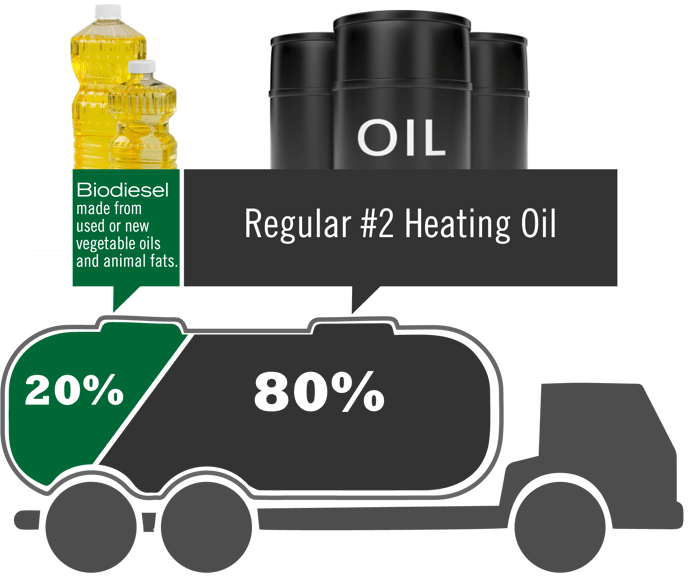
- Biodiesel: Comes from vegetable oils or animal fats.
- Wood pellets: Burned in special stoves for heat.
Electric And Heat Pump Solutions
Electric heaters are easy to install. They provide heat quickly. Heat pumps move heat from outside to inside. They are efficient even in cold weather.
- Space heaters: Portable and good for small areas.
- Central electric heating: Heats entire homes evenly.
- Heat pumps: Use less electricity than traditional heaters.
Natural Gas And Propane
Natural gas and propane are popular heating choices. They burn cleaner than oil. Homes connected to a gas line can use natural gas easily.
Propane is stored in tanks. It is useful where gas lines do not reach. Both options are reliable and widely available.
- Natural gas: Requires a connection to a gas line.
- Propane: Can be stored in large tanks at home.
- Both offer steady and controllable heat.

Credit: www.beckettcorp.com
Frequently Asked Questions
Can Diesel Fuel Replace Home Heating Oil Safely?
Yes, diesel fuel can replace home heating oil in many systems. Both fuels have similar properties and combustion characteristics. However, some heating systems may require adjustments or additives for optimal performance. Always consult a professional before switching fuels to ensure safety and efficiency.
Is Diesel Fuel More Expensive Than Heating Oil?
Diesel fuel usually costs more than home heating oil. Pricing varies by location and market conditions. Heating oil is typically less refined, which lowers its cost. Using diesel for heating can increase your fuel expenses compared to traditional heating oil.
Are Diesel And Heating Oil Chemically The Same?
Diesel and heating oil are chemically similar, both derived from crude oil. Their compositions are close, but heating oil often contains additives for better burning in home systems. Diesel has stricter quality standards for engines, while heating oil focuses on heating efficiency.
What Are The Environmental Impacts Of Using Diesel For Heating?
Using diesel for heating emits pollutants similar to heating oil. Both release carbon dioxide and particulates when burned. Diesel may produce slightly more emissions due to higher sulfur content in some cases. Cleaner alternatives like natural gas or propane reduce environmental impact more effectively.
Conclusion
Diesel fuel can work as home heating oil in many cases. It burns clean and produces good heat. Yet, it costs more than regular heating oil. Some systems may need changes to use diesel safely. Always check local rules and your equipment’s needs.
Using diesel might suit some homes but not all. Think about your budget and heating system before deciding. Choose the fuel that keeps your home warm and safe. Simple and smart choices save money and worry.