Are you wondering if your baby can comfortably live in a one-bedroom apartment? You’re not alone.
Many parents face this challenge and worry about space, safety, and creating a cozy environment for their little one. The good news is, with the right tips and ideas, your baby can thrive in a smaller home. Keep reading to discover practical solutions that make your one-bedroom apartment a perfect place for your baby to grow and explore.
Space Planning
Living with a baby in a one-bedroom apartment can be challenging. Good space planning helps make the home comfortable for both baby and parents.
Smart design choices create a safe and practical environment. This guide covers three key ideas to manage small spaces well.
Maximizing Small Spaces
Use every inch of available space. Look up to use wall shelves and hooks. Keep floors clear to allow free movement.
- Store baby items in vertical organizers
- Use under-bed storage bins for clothes and toys
- Hang foldable drying racks on doors
- Choose clear containers for easy visibility
- Keep essential items within reach to save time
Choosing Multi-functional Furniture
Select furniture that serves more than one purpose. This saves space and adds convenience to daily routines.
| Furniture Type | Functions |
| Convertible Crib | Crib and toddler bed |
| Storage Ottoman | Seat and toy storage |
| Foldable Changing Table | Changing station and shelf |
| Wall-Mounted Desk | Work surface and storage |
Creating Zones For Baby And Parents
Divide the apartment into clear zones. This helps keep baby needs separate from adult spaces.
Zone Ideas:
- Baby Sleep Area:Quiet corner with crib and soft lighting.
- Changing and Play Zone:Nearby storage for diapers and toys.
- Parent Relaxation Spot:Comfortable chair or sofa with easy access to baby items.

Sleeping Arrangements
Living in a one-bedroom apartment with a baby requires smart sleeping arrangements. You need to ensure the baby sleeps safely and comfortably. Proper planning helps both baby and parents rest well.
This guide covers safe sleep practices, co-sleeping options, and crib placement tips. Each section offers clear advice for small living spaces.
Safe Sleep Practices
Keep the baby's sleep environment safe to reduce risks. The baby should sleep on their back on a firm mattress. Avoid loose bedding, pillows, and stuffed toys in the crib.
- Use a fitted sheet on the crib mattress only.
- Keep the crib free of blankets and soft objects.
- Maintain a smoke-free room.
- Dress the baby in light sleep clothing to avoid overheating.
- Place the baby’s head uncovered during sleep.
Co-sleeping Options
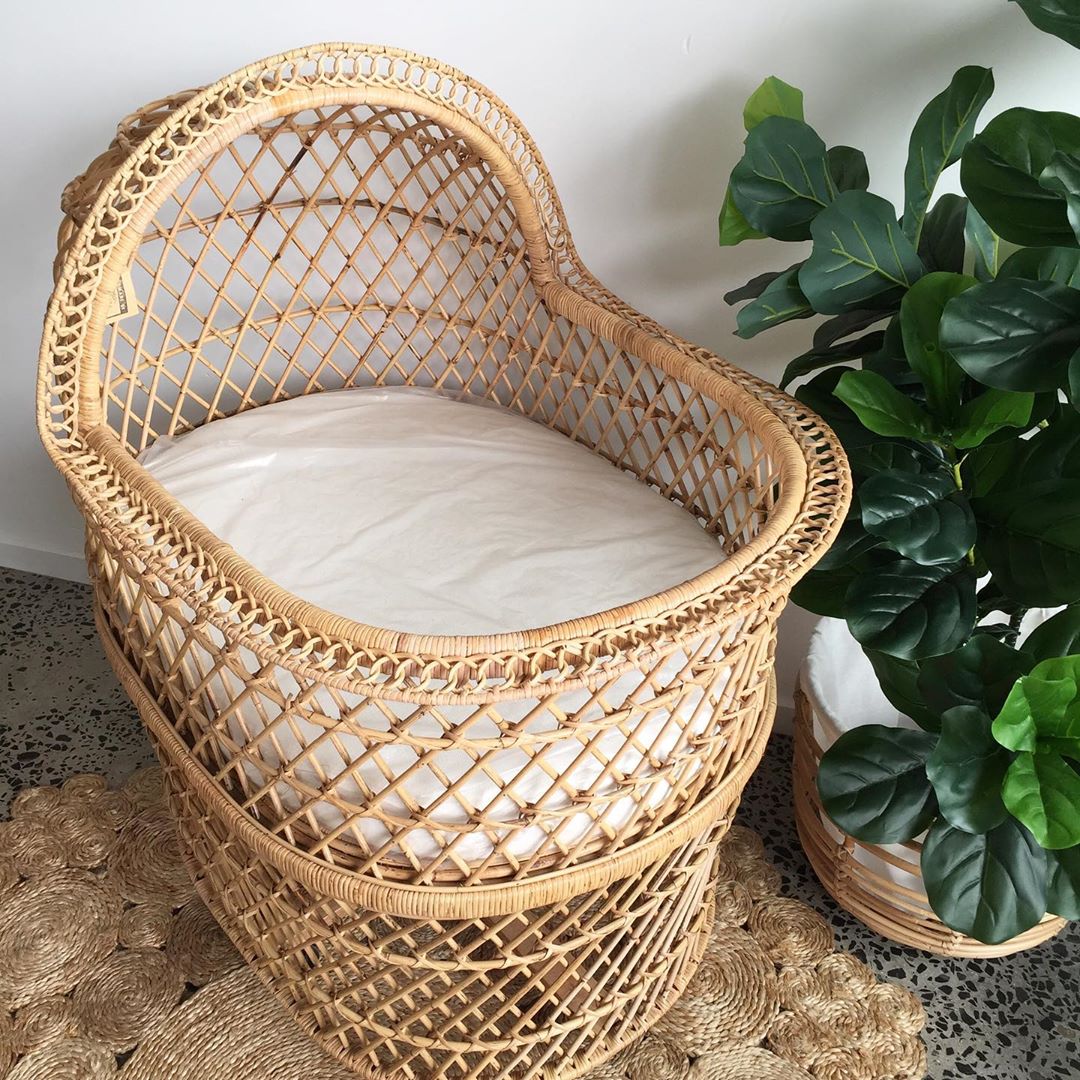
Co-sleeping can work in small spaces but requires caution. You can use sidecar cribs or bassinets attached to your bed. This allows close contact without sharing the same sleep surface.
| Co-Sleeping Type | Description | Safety Tips |
| Sidecar Crib | Crib attached to the parent's bed frame | Secure attachment; no gaps between bed and crib |
| Bassinet | Small, portable sleep space near the bed | Stable base; firm mattress |
| Bed Sharing | Baby sleeps in the same bed as parents | Not recommended due to risks |
Crib Placement Tips
Place the crib to maximize space and safety. Avoid spots near windows, heaters, or cords. The crib should be easy to access for nighttime care.
- Keep crib away from windows to avoid drafts and sunlight.
- Do not place crib near blinds or curtain cords.
- Leave space around the crib for air circulation.
- Position the crib close to your bed for quick checks.
- Ensure the floor around the crib is clear of clutter.
Storage Solutions
Living with a baby in a one-bedroom apartment can be challenging. Storage is key to keeping the space tidy and safe.
Good storage helps you keep baby items organized and easy to find. This reduces stress and saves time.
Organizing Baby Essentials
Keep daily baby items like diapers, wipes, and clothes in bins or baskets. Use clear containers to see what is inside.
Group similar items together. This makes it faster to find what you need and put things away.
- Use labeled bins for diapers and wipes
- Store clothes by size or type
- Keep feeding supplies in one area
Utilizing Vertical Space
Use walls to add shelves or hooks. This frees up floor space and keeps items off counters.
Install tall shelves or a hanging organizer. These help store toys, books, and clothes neatly.
- Put shelves above changing table
- Hang baskets on walls
- Use door organizers for small items
Decluttering Strategies
Remove items that your baby no longer uses. Donate or store extras to keep space open.
Set a regular schedule to check and tidy up baby items. This helps prevent clutter build-up.
- Keep only current size clothes
- Store outgrown toys in bins
- Clear out unused baby gear monthly
Daily Routine Adaptations
Living with a baby in a one-bedroom apartment means adjusting daily routines. Space is limited, so planning is key.
Parents can create comfortable and functional areas to care for their baby. Small changes make life easier for both.
Feeding In Small Spaces
Feeding a baby in a small apartment needs smart use of space. Choose a cozy spot where you can sit comfortably.
Keep feeding supplies nearby to reduce trips back and forth. A small table or tray helps organize bottles and snacks.
- Use a comfortable chair with good back support
- Keep bottles, bibs, and burp cloths within reach
- Use a portable tray for feeding items
- Clean feeding area quickly to avoid clutter
Diaper Changing Setup
Create a diaper changing area that fits your space. Use a changing pad on a dresser or a foldable changing table.
Store diapers, wipes, and creams close to the changing spot. This saves time and keeps mess contained.
- Choose a flat, safe surface for changing
- Keep all changing supplies in a small caddy
- Use washable pads or liners for easy cleanup
- Dispose of diapers in a sealed bin to control odor
Playtime Areas
Designate a small play area with soft mats or rugs. This creates a safe spot for your baby to explore.
Rotate toys to keep the space tidy and interesting. Use storage bins that fit under furniture or in closets.
- Use a soft, easy-to-clean mat for play
- Limit toys to a few favorites at a time
- Store toys in bins or baskets for quick cleanup
- Keep the play area near your usual living space
Noise And Privacy
Living with a baby in a one-bedroom apartment can be challenging. Noise and privacy are two main concerns for parents.
Finding ways to reduce sound and keep privacy helps both baby and parents rest better.
Soundproofing Tips
Reducing noise inside a small space takes smart choices. Soft materials absorb sound and help lower noise.
- Use thick curtains on windows and doors
- Place rugs or carpets on hard floors
- Add pillows and cushions to furniture
- Seal gaps around doors and windows with weatherstripping
- Use white noise machines to mask sudden sounds
Balancing Privacy Needs
Privacy is important for family time and baby care. Use simple room dividers or curtains to create separate spaces.
| Privacy Solution | Benefits |
|---|---|
| Folding Screens | Easy to move and set up |
| Heavy Curtains | Block sight and reduce noise |
| Bookshelf Divider | Provides storage and separation |
Managing Visitor Interactions
Visitors can bring noise and reduce privacy. Set clear visiting times and use baby gates to limit access.
- Explain your baby's schedule to guests
- Ask visitors to keep voices low
- Offer a quiet space for baby care
- Use soft background music to mask sounds
Safety Measures
Living in a one-bedroom apartment with a baby requires careful planning. Safety is the most important aspect to consider in compact living spaces.
It's essential to adapt the environment to keep your baby safe. Implementing safety measures can prevent accidents and ensure peace of mind.
Childproofing Compact Areas
Childproofing small spaces is crucial. Babies are curious and explore their surroundings. Securing the environment is a must.
Use safety gates to limit access to certain areas. Make sure furniture is stable and can't tip over.
- Install corner guards on furniture edges
- Use door stoppers to prevent pinched fingers
- Keep small objects out of reach
Managing Electrical And Sharp Objects
Electrical items and sharp objects pose risks. Keep them away from children to prevent accidents.
Ensure all electrical outlets have covers. Store sharp objects in locked drawers or high shelves.
- Unplug appliances when not in use
- Secure cords with cord organizers
- Keep knives and scissors in a locked cabinet
Emergency Preparedness
Being prepared for emergencies is vital. Know how to respond if something goes wrong.
Have a first aid kit accessible. Know basic first aid skills and emergency contacts.
| Emergency Contacts | Phone Number |
| Police | 911 |
| Poison Control | 1-800-222-1222 |
Parent Self-care
Living in a one-bedroom apartment with a baby can be challenging. Parents need to focus on self-care to maintain balance. It is essential to take time for yourself and recharge.
Self-care is not just about physical health. It also includes emotional and mental well-being. Prioritizing self-care can help parents feel more energized and less stressed.
Creating Personal Space
Even in a small space, having a personal area is important. This can be a corner with a comfortable chair or a spot by the window. Use this space to relax and unwind.
Personal space helps parents take a break from daily tasks. This area should be free from baby toys and clutter. Keep it simple and peaceful.
Stress Management Techniques
Managing stress is crucial for parents in a one-bedroom apartment. Simple techniques like deep breathing and meditation can help. These practices can be done in minutes and reduce stress quickly.
Physical activities like stretching or light exercise are also beneficial. They release endorphins, which improve mood and relieve tension.
- Deep breathing for 5 minutes daily
- Short meditation sessions
- Stretching exercises in the morning
Seeking Support Networks
Support networks are vital for new parents. Family and friends can provide emotional support and practical help. Joining parenting groups can also be beneficial.
Online forums and social media groups offer advice and community. They connect parents with others who understand their challenges. This support can make parenting feel less overwhelming.
- Connect with family and friends regularly
- Join local parenting groups
- Engage in online support forums
Frequently Asked Questions
Can A Baby Safely Sleep In A One-bedroom Apartment?
Yes, a baby can safely sleep in a one-bedroom apartment. Proper space organization and a safe sleep environment are key. Use a crib with firm bedding and keep the area free of hazards. Good ventilation and noise control also help ensure safety and comfort.
How To Create A Nursery In A Small One-bedroom Apartment?
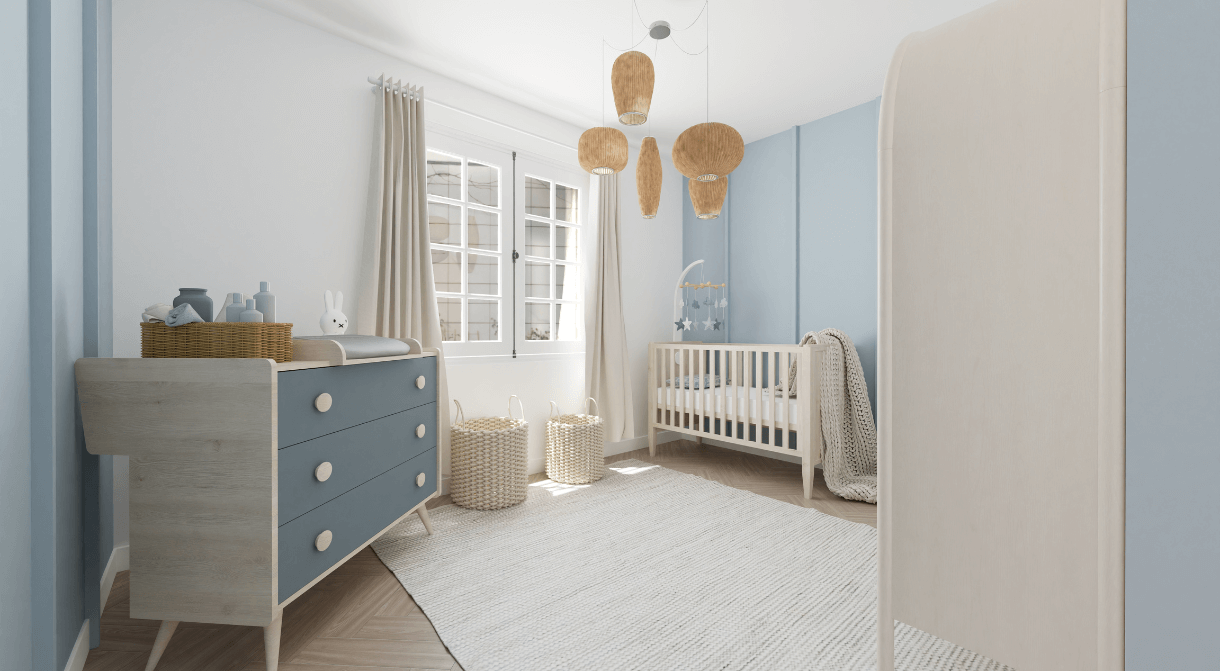
To create a nursery, use multi-functional furniture like a crib with storage. Choose a corner or a section of the bedroom. Use room dividers or curtains for privacy. Keep essentials like diapers and clothes within reach. Maximize vertical space with shelves and organizers.
What Are The Challenges Of Raising A Baby In One Bedroom?
Space constraints are the main challenge, limiting separate areas for sleep and play. Noise and privacy can be issues. Storage space is often limited. However, with smart organization, you can create a comfortable environment for your baby and yourself.
Can A One-bedroom Apartment Accommodate Baby Gear And Furniture?
Yes, a one-bedroom apartment can accommodate baby gear with careful planning. Opt for compact, foldable, or multi-purpose furniture. Use vertical storage and under-bed containers. Prioritize essential items and regularly declutter to maintain a functional living space.
Conclusion
Babies can live happily in a one-bedroom apartment. Space may be small, but good planning helps. Create safe, cozy areas for sleep and play. Keep things organized to avoid clutter. Use smart storage to save room. Remember, love and care matter most.
Small spaces teach creativity and close family bonds. Living together can bring everyone closer. It is possible to raise a baby well in a small home. Your home’s size does not limit your parenting.