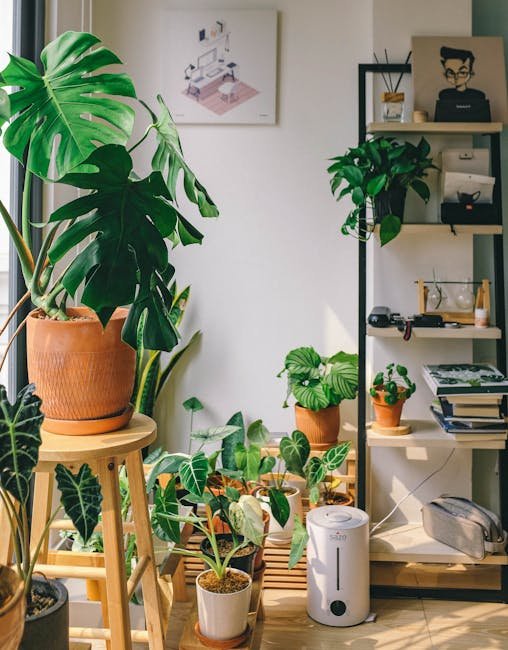
Have you ever wondered if the humidifier in your home could be putting your health at risk? You might be surprised to learn that, under certain conditions, a home humidifier can become a breeding ground for harmful bacteria, including the one that causes Legionnaires’ disease.
This hidden danger isn’t something most people think about, but understanding it could protect you and your loved ones from serious illness. Keep reading to find out how your humidifier might affect your health and what simple steps you can take to stay safe.

Credit: www.lohud.com
Legionnaires Disease Basics
Legionnaires disease is a type of lung infection. It can cause serious breathing problems.
This disease is caused by bacteria called Legionella. It grows in water systems like humidifiers.
What Is Legionnaires Disease
Legionnaires disease causes pneumonia, which means the lungs get inflamed. People may have fever, cough, and trouble breathing.
The disease can be very serious, especially for older adults or people with weak immune systems.
How Legionella Bacteria Spread
Legionella bacteria live in water that is warm and stagnant. They spread through tiny water droplets in the air.
People get sick by breathing in these tiny droplets. It does not spread from person to person.
- Showers and hot tubs can spread the bacteria
- Air conditioning systems may release contaminated mist
- Home humidifiers can also be a source if not cleaned properly

Credit: www.lohud.com
Home Humidifiers And Legionella
Home humidifiers add moisture to the air. They help with dry skin, coughs, and colds. But some humidifiers can grow harmful bacteria.
One such bacteria is Legionella. It can cause a serious lung infection called Legionnaires' disease. Understanding which humidifiers are at risk is important for safety.
Types Of Humidifiers At Risk
Not all humidifiers have the same chance of growing Legionella. Some types are more likely to be a problem if not cleaned well.
- Cool mist humidifiers: These use water to create a fine mist. If water sits too long, bacteria can grow.
- Warm mist humidifiers: They boil water to make steam. Boiling kills most bacteria, so risk is lower.
- Ultrasonic humidifiers: These use vibrations to make mist. They can spread bacteria if water is dirty.
- Evaporative humidifiers: These use a wick filter. Filters can trap bacteria and spread them if not changed often.
Conditions That Promote Bacterial Growth
Legionella grows best in certain conditions. Knowing these can help prevent bacteria from growing in your humidifier.
| Condition | Effect on Bacteria |
| Stagnant water | Allows bacteria to multiply quickly |
| Warm temperatures (20-45°C) | Ideal for Legionella growth |
| Poor cleaning | Leaves dirt and biofilm that harbor bacteria |
| Unchanged water | Water becomes breeding ground for bacteria |
| Contaminated water source | Introduces bacteria into the humidifier |
Health Risks Linked To Humidifiers
Humidifiers add moisture to the air to ease breathing. Yet, if not cleaned well, they can spread germs.
One concern is the risk of Legionnaires disease from bacteria in humidifiers. Knowing the symptoms helps keep you safe.
Symptoms Of Legionnaires Disease
Legionnaires disease is a lung infection caused by Legionella bacteria. It grows in warm, wet places like humidifiers.
- High fever and chills
- Cough, sometimes with mucus or blood
- Shortness of breath
- Muscle aches and headaches
- Fatigue and confusion
These symptoms often start 2 to 10 days after breathing in the bacteria. Seek medical help if you feel these signs.
Other Respiratory Issues
Humidifiers can also cause other breathing problems if dirty. Mold and dust mites may grow in moist air.
| Respiratory Issue | Cause | Symptoms |
| Allergic Reactions | Mold spores and dust mites | Sneezing, runny nose, itchy eyes |
| Asthma Attacks | Pollutants from humidifier mist | Wheezing, coughing, chest tightness |
| Respiratory Infections | Bacteria and viruses in water | Cough, fever, sore throat |

Credit: www.iqair.com
Preventing Legionella In Humidifiers
Legionella bacteria can grow in humidifiers if not cared for properly. This bacteria causes Legionnaires’ disease, a serious lung infection. Preventing its growth helps keep your home safe and healthy.
Using the right cleaning and water methods stops bacteria from growing. This guide shows how to keep your humidifier clean and safe.
Proper Cleaning Techniques
Regular cleaning removes bacteria and stops Legionella from growing. Clean your humidifier every few days and follow the manufacturer’s instructions.
- Empty the water tank daily and dry it well.
- Use a mixture of white vinegar and water to clean the tank weekly.
- Scrub all parts gently with a soft brush to remove buildup.
- Rinse thoroughly to remove cleaning solution before use.
- Replace filters as recommended to avoid contamination.
Water Quality And Replacement
Using clean water reduces bacteria growth. Change the water often and use the best water you can.
| Water Type | Notes |
| Distilled Water | Best choice to avoid minerals and bacteria |
| Filtered Water | Good option if distilled is not available |
| Tapped Water | Use only if changed daily and cleaned well |
Safe Usage Tips
Using your humidifier correctly helps prevent bacteria buildup and keeps the air safe.
- Keep humidifier in a clean, dry place away from dust.
- Do not overfill the tank to avoid spills and mold.
- Turn off the humidifier when not in use for long periods.
- Use the humidifier only as needed to keep humidity between 30% and 50%.
- Regularly inspect for signs of mold or slime and clean immediately.
When To Seek Medical Help
Using a home humidifier can sometimes cause health problems. One serious risk is Legionnaires' disease.
It is important to know when to get medical help if you suspect an infection from a humidifier.
Identifying Early Warning Signs
Legionnaires' disease symptoms may start like a common cold or flu. Early signs include cough, fever, and muscle aches.
If you notice these symptoms, especially after using a humidifier, watch for more serious signs.
- High fever over 101°F (38.3°C)
- Shortness of breath or difficulty breathing
- Chest pain or tightness
- Persistent cough that gets worse
- Confusion or headache
Who Is Most Vulnerable
Some people have a higher risk of getting Legionnaires' disease from a humidifier. These groups need to be extra careful.
Older adults and those with weak immune systems are more likely to get sick from bacteria in humidifiers.
- People over 50 years old
- Smokers or former smokers
- People with chronic lung diseases
- Those with weakened immune systems
- Anyone with recent hospital stays
Alternatives To Traditional Humidifiers
Traditional humidifiers can sometimes pose health risks. Legionnaires' disease is one concern. It is important to explore safer options. There are alternatives that can help improve indoor air without the risks.
These options can provide comfort and maintain air quality. They are designed with safety in mind. Understanding these alternatives can guide better choices for your home.
Humidifier Types With Lower Risk
Some humidifiers are designed to minimize health risks. Evaporative humidifiers are one example. They use a fan to evaporate water without creating mist.
Ultrasonic humidifiers are another option. They use sound waves to produce a cool mist. Both types have lower chances of spreading bacteria.
- Evaporative humidifiers use a wick filter
- Ultrasonic humidifiers are quiet and energy-efficient
- Both types require regular cleaning to stay safe
Additional Indoor Air Quality Solutions
Improving air quality doesn't only rely on humidifiers. Air purifiers can help remove pollutants from the air. They capture dust, pollen, and other particles.
Ventilation is also crucial. Opening windows allows fresh air to circulate. Houseplants can naturally filter air and increase humidity.
- Air purifiers come with HEPA filters
- Regular ventilation prevents stale air
- Houseplants like ferns and spider plants improve air quality
Frequently Asked Questions
Can A Home Humidifier Spread Legionnaires' Disease?
Yes, if not cleaned properly, humidifiers can harbor Legionella bacteria. This bacteria causes Legionnaires' disease when inhaled through contaminated mist.
How To Prevent Legionella Growth In Humidifiers?
Regular cleaning and using distilled water help prevent Legionella growth. Always follow manufacturer guidelines for maintenance and replace filters frequently.
Is Tap Water Safe For Humidifiers?
Using tap water can increase Legionella risk due to bacteria presence. Distilled or demineralized water is safer to reduce contamination.
What Symptoms Indicate Legionnaires' Disease From Humidifiers?
Symptoms include cough, fever, muscle aches, and shortness of breath. Seek medical help if you suspect infection from humidifier exposure.
Conclusion
Home humidifiers can pose health risks if not cleaned well. Legionnaires’ disease grows in warm, wet places like dirty humidifiers. Regular cleaning stops bacteria from spreading in the air you breathe. Use fresh water each time you fill the tank.
Keep your humidifier dry when not in use. Being careful helps protect your family’s health. Small steps prevent big problems. Stay safe and enjoy the benefits of a clean humidifier.