Are you wondering if a gas fireplace can truly warm up your entire home? You’re not alone.
Many people love the cozy glow of a gas fireplace but aren’t sure if it can handle the job of heating more than just one room. Imagine coming home to a warm, inviting space where your fireplace isn’t just decoration but a real source of comfort.
If you want to know how much heat a gas fireplace can provide and whether it’s the right choice for your home, keep reading. By the end, you’ll have the answers you need to make a smart, warm decision for your living space.
How Gas Fireplaces Work
Gas fireplaces burn natural gas or propane to create heat and flames. They use a burner controlled by a valve to produce a steady flame.
These fireplaces have vents or glass fronts to keep the fire safe and efficient. They provide warmth without the mess of wood fires.
Types Of Gas Fireplaces
There are several types of gas fireplaces. Each type fits different home styles and heating needs.
- Ventless Gas Fireplaces: Do not need a chimney or vent. Easy to install but require good room ventilation.
- Vent-Free Gas Fireplaces: Similar to ventless but with more safety features. Good for small spaces.
- Direct Vent Gas Fireplaces: Use a sealed vent to bring air in and send exhaust outside. More efficient and safe.
- B-vent Gas Fireplaces: Use a chimney or vent pipe to remove gases. Less efficient but traditional in look.
Heat Output And Efficiency
Gas fireplaces offer different heat outputs. The amount of heat depends on the fireplace size and type.
Efficiency measures how well the fireplace converts gas into heat. Higher efficiency means more heat with less gas.
- Ventless models can reach up to 99% efficiency.
- Direct vent fireplaces usually reach 70% to 85% efficiency.
- B-vent fireplaces are less efficient, about 60% to 70%.
- Heat output ranges from 20,000 to 40,000 BTUs per hour.
Installation Considerations
Installation needs vary by fireplace type. Proper setup ensures safety and good heating.
Check local codes and get professional help. Venting and gas connections must be done right.
- Ventless fireplaces need clear airflow and room size limits.
- Direct vent fireplaces require a special vent pipe through walls or roofs.
- B-vent fireplaces need a chimney or vertical venting system.
- Gas lines must be installed by certified professionals.
Heating Capacity Of Gas Fireplaces
Gas fireplaces provide warmth and comfort in many homes. They use natural gas or propane to produce heat. Understanding their heating capacity helps to know if they can heat your entire home.
This guide explains how much space a gas fireplace can cover. It also looks at what affects heat spread and compares gas fireplaces to other heating systems.
Square Footage Coverage
The heating power of gas fireplaces is measured in BTUs (British Thermal Units). Most gas fireplaces heat areas between 400 and 1,000 square feet. The size of your room matters to choose the right model.
- Small fireplaces: Heat up to 400 sq ft
- Medium fireplaces: Heat up to 700 sq ft
- Large fireplaces: Heat up to 1,000 sq ft or more
Factors Affecting Heat Distribution
Heat spread depends on many things. The room shape, ceiling height, and insulation affect how warm a space feels. Airflow and placement of the fireplace also matter.
| Factor | Effect on Heat Distribution |
| Room Shape | Irregular shapes cause uneven heating |
| Ceiling Height | Higher ceilings can trap heat above |
| Insulation | Better insulation keeps heat inside |
| Airflow | Good airflow spreads heat more evenly |
| Fireplace Placement | Central placement warms more space |
Comparing To Other Heating Systems
Gas fireplaces work well for zone heating. They warm specific rooms but may not replace central heating. Other systems cover larger areas or whole houses.
- Central Heating: Heats entire home via ducts
- Electric Heaters: Portable, good for small areas
- Wood Stoves: Provide strong heat but need fuel
- Gas Fireplaces: Cozy and efficient for one room
Energy Efficiency And Cost
A gas fireplace can heat your home efficiently. It uses natural gas or propane to create heat quickly.
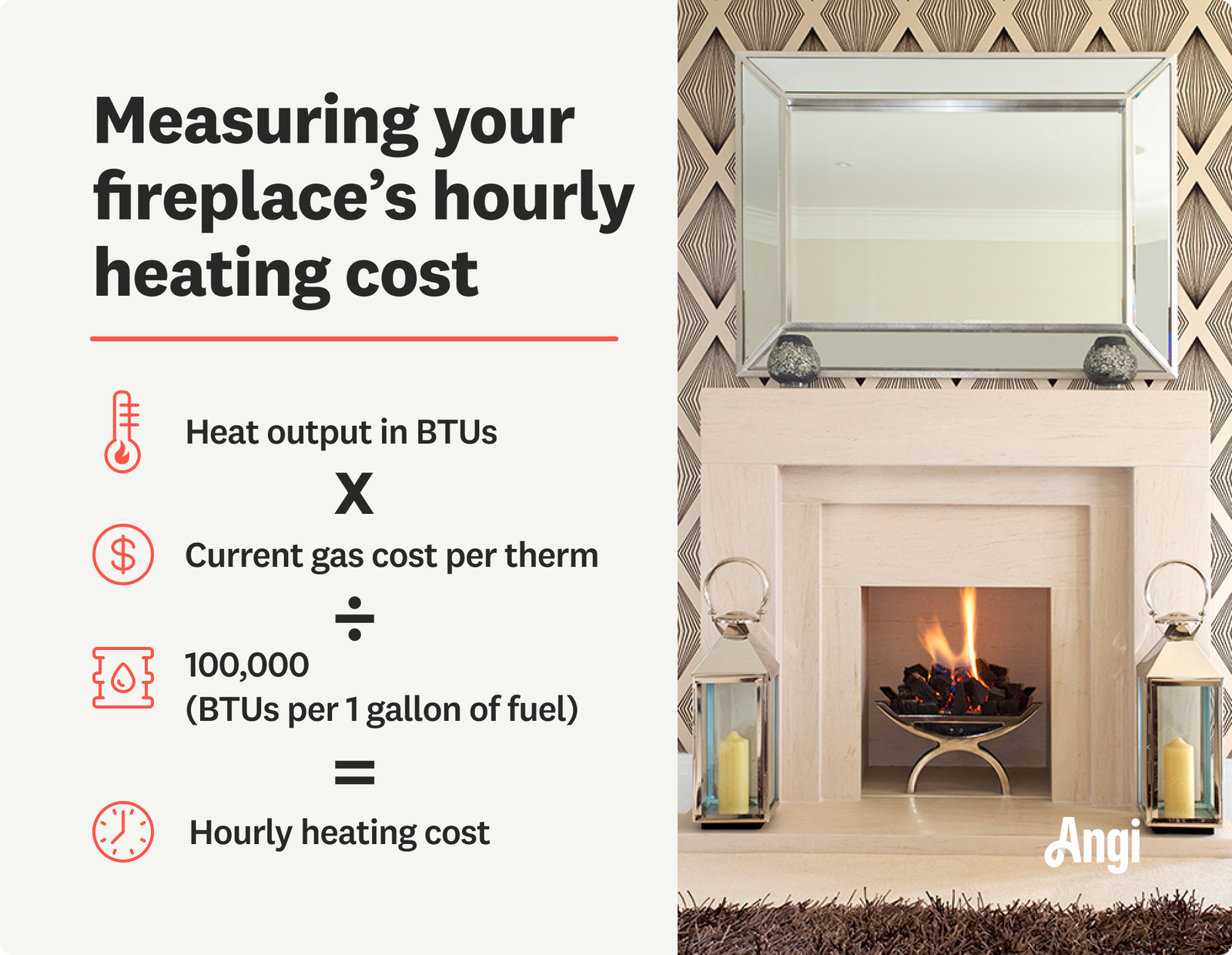
The cost to run a gas fireplace depends on fuel use and energy prices. It can be a budget-friendly option.
Fuel Consumption And Operating Costs
Gas fireplaces use fuel based on their size and heat output. Smaller units use less fuel than larger ones.
Operating costs vary by fuel type and local gas prices. Propane usually costs more than natural gas.
- Natural gas fireplaces consume about 20,000 to 40,000 BTUs per hour
- Propane fireplaces use slightly more fuel per hour
- Running a gas fireplace for 5 hours can cost between $1.50 and $3.00
Energy Savings Tips
Use your gas fireplace to heat only the rooms you occupy. This saves energy and lowers bills.
Keep the fireplace and vents clean. It helps the unit work better and use less fuel.
- Install a thermostat to control temperature
- Seal gaps and cracks to keep warm air inside
- Use a fireplace with a blower to spread heat
Environmental Impact
Gas fireplaces burn cleaner than wood fireplaces. They produce fewer emissions and less smoke.
Using natural gas reduces carbon footprint. Propane also burns cleaner than other fuels.
- Gas fireplaces emit less carbon monoxide
- They reduce indoor air pollution
- Using energy wisely lowers environmental harm
Credit: www.chimneyworksonline.com
Safety And Maintenance
A gas fireplace can help warm your home safely if used correctly. Understanding its safety features and maintenance needs keeps it working well. Proper care reduces risks and ensures comfort.
Regular checks and knowing how to fix common issues make your gas fireplace more reliable. This guide covers important safety features, maintenance tips, and basic troubleshooting.
Common Safety Features
Gas fireplaces come with built-in safety features to protect your home and family. These parts help prevent accidents and keep the fire under control.
- Automatic shut-off valves stop gas flow if the flame goes out.
- Glass doors keep sparks and heat inside the fireplace.
- Oxygen depletion sensors turn off the fireplace if air quality drops.
- Thermal sensors prevent overheating by shutting off the unit when needed.
- Child safety locks help keep kids from turning the fireplace on by mistake.
Regular Maintenance Needs
Keeping your gas fireplace clean and checked regularly helps avoid problems. Follow these simple steps to maintain it:
- Clean the glass doors with a non-abrasive cleaner every few months.
- Inspect the pilot light and burner for dirt or blockages.
- Check the venting system for debris or damage once a year.
- Test the carbon monoxide detector near the fireplace regularly.
- Schedule a professional inspection and service annually.
Troubleshooting Tips
If your gas fireplace does not work properly, try these simple checks before calling a technician.
| Problem | Possible Cause | What to Do |
| No flame or weak flame | Gas supply off or low pressure | Check gas valve and ensure gas is on |
| Pilot light won’t stay lit | Dirty pilot or faulty thermocouple | Clean pilot area or replace thermocouple |
| Strange odors or smell of gas | Gas leak or poor ventilation | Turn off gas and call a professional immediately |
| Fireplace shuts off unexpectedly | Oxygen depletion sensor triggered | Ventilate room and check sensor for faults |
Design And Aesthetic Benefits
Gas fireplaces offer more than warmth. They add style and charm to your home.
They come in many designs to fit different tastes and spaces.
Styles And Customization Options
You can choose from many styles of gas fireplaces. Each style matches different home looks.
- Traditional designs with classic mantels
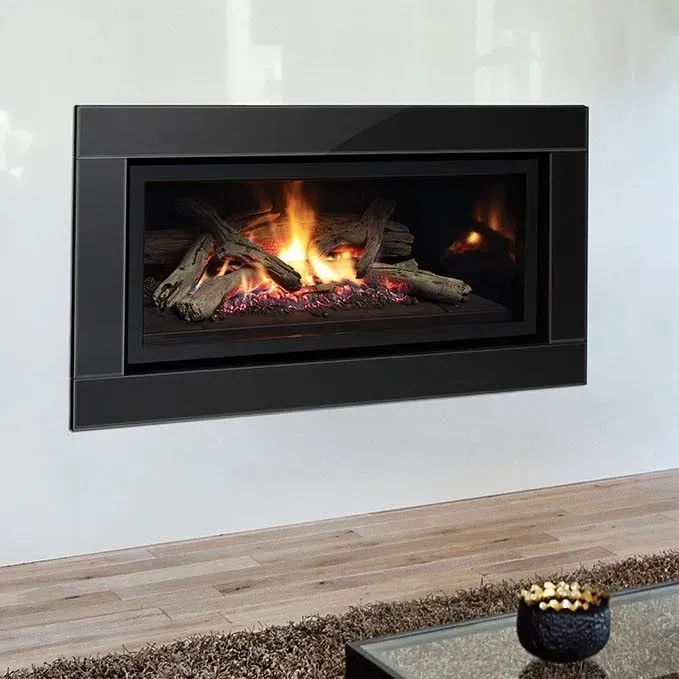
- Modern units with clean lines and glass fronts
- Corner fireplaces for small spaces
- Linear fireplaces that stretch wide across walls
- Outdoor models that blend with patios
Enhancing Home Ambiance
Gas fireplaces create a warm and cozy feeling inside your home. The flame adds a soft glow.
Ways gas fireplaces enhance ambiance:
- Provide gentle lighting for relaxing evenings
- Offer a focal point in living rooms or bedrooms
- Make spaces feel inviting and comfortable
- Help set a mood for gatherings or quiet time
Integration With Home Decor
Gas fireplaces fit easily into many decor styles. You can match them with your existing furniture and colors.
| Decor Style | Fireplace Feature |
| Rustic | Stone or brick surrounds |
| Contemporary | Minimalist metal frames |
| Classic | Wood mantels with detailed trim |
| Industrial | Exposed steel and glass panels |

Credit: starfiredirect.com
When To Choose A Gas Fireplace
A gas fireplace can be a good heating option for your home. It can add warmth and charm to your living space.
Consider a gas fireplace if you need a clean and easy heat source. It is ideal for homes where quick and controllable heat is desired.
Ideal Home Settings
Gas fireplaces work best in small to medium-sized rooms. They provide instant heat and are easy to maintain.
These fireplaces are perfect for homes with a modern design. They blend well with contemporary interiors.
- Small living rooms
- Open-plan apartments
- Homes with limited chimney access
Limitations And Drawbacks
Gas fireplaces may not heat large spaces effectively. They can be costly to install if your home lacks a gas line.
They require annual maintenance to keep them running safely. Some people miss the crackling sound of a wood fire.
- Limited heating range
- Installation costs
- Maintenance requirements
Alternatives To Consider
There are other heating options if a gas fireplace is not suitable. You can choose electric fireplaces or traditional wood-burning stoves.
Electric fireplaces are easy to install and need no chimney. Wood stoves offer a classic feel and can heat larger areas.
- Electric fireplaces
- Wood-burning stoves
- Pellet stoves

Credit: fireplaceexperts.com
Frequently Asked Questions
Can A Gas Fireplace Heat An Entire Home Effectively?
A gas fireplace can heat a single room or small area efficiently. However, it usually cannot heat an entire home. For whole-home heating, consider central heating systems or multiple fireplaces.
How Much Does It Cost To Run A Gas Fireplace?
Running a gas fireplace typically costs less than electric or wood fireplaces. On average, it uses about $1 to $2 per hour, depending on gas prices and fireplace efficiency.
Are Gas Fireplaces Energy Efficient For Home Heating?
Gas fireplaces are energy efficient for zone heating, reducing overall energy use. Modern models have high efficiency ratings, converting most fuel into heat with minimal waste.
Is It Safe To Use A Gas Fireplace For Heating?
Yes, gas fireplaces are safe when properly installed and maintained. They produce fewer emissions than wood fireplaces but require regular inspections to ensure safe operation.
Conclusion
A gas fireplace can warm parts of your home well. It works best as a supplement, not the main heat source. Rooms near the fireplace feel cozy and warm quickly. Still, larger homes need more heating options. Gas fireplaces offer comfort and style with easy use.
They save energy when used wisely. Consider your home's size and layout for best results. A gas fireplace adds charm and warmth to your living space. Simple to operate and maintain, it suits many homes.