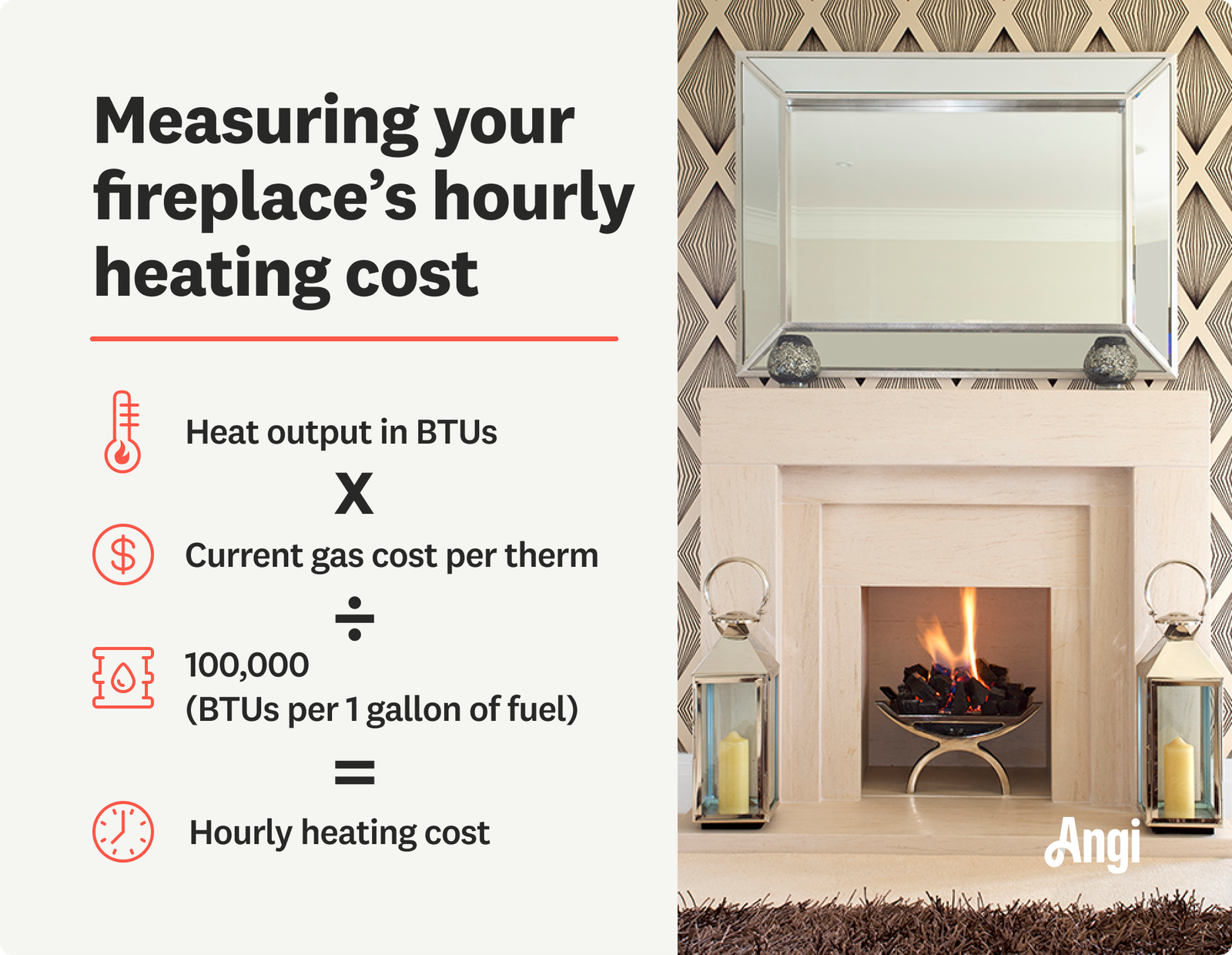
Have you ever wondered if your fireplace can actually heat your entire home? You might think it’s just for cozy nights or adding charm to your living room.
But what if your fireplace could be more than just decoration? Understanding how much warmth it can provide—and the best ways to use it—can save you money and keep your home comfortable during chilly days. Keep reading to discover the surprising truth about fireplaces and how they can impact your home’s heating.

Credit: iwae.com
How Fireplaces Work
Fireplaces provide warmth by burning fuel like wood or gas. They create heat that spreads in your room. Understanding how they work helps you use them better.
This article covers types of fireplaces and how they share heat in your home.
Types Of Fireplaces
There are different kinds of fireplaces. Each type works in its own way to give heat and style.
- Wood-Burning Fireplaces:Use real wood logs. They give strong heat but need cleaning.
- Gas Fireplaces:Run on natural gas or propane. They are easy to control and clean.
- Electric Fireplaces:Use electricity to create heat and flame effects. They need no venting.
- Pellet Fireplaces:Burn small wood pellets. They are efficient and eco-friendly.
Heat Distribution Methods
Fireplaces move heat into your home using several methods. Each method affects how warm your space feels.
| Method | Description | Effectiveness |
|---|---|---|
| Radiant Heat | Heat spreads directly from the fire to nearby objects and people. | Good for close warmth |
| Convection | Warm air rises and circulates through the room. | Warms larger area |
| Heat Exchange | Some fireplaces use fans or ducts to push heat into other rooms. | Heats multiple spaces |
Heat Efficiency Of Fireplaces
Fireplaces can add warmth and comfort to a room. Their ability to heat a whole home varies. Understanding heat efficiency helps in choosing the right fireplace.
Heat efficiency depends on how well the fireplace converts fuel to heat. It also depends on how much heat stays inside the home.
Factors Affecting Heat Output
Several factors affect how much heat a fireplace produces and keeps in the house. These include the fireplace type, fuel used, and room size.
- Type of Fireplace: Wood-burning, gas, or electric fireplaces have different heat outputs.
- Fuel Quality: Dry, seasoned wood burns hotter than wet wood.
- Fireplace Design: Closed designs lose less heat than open ones.
- Room Size: Larger rooms need more heat to feel warm.
- Ventilation: Proper vents help control heat loss and airflow.
Comparing Fireplaces To Other Heating Systems
Fireplaces differ from central heating in heat efficiency and cost. They can be less efficient but add ambiance and spot heating.
| Heating System | Average Efficiency | Heat Distribution |
| Wood-Burning Fireplace | 10%–30% | Spot heating, mostly near the fireplace |
| Gas Fireplace | 40%–80% | Better heat spread, some models ventless |
| Electric Fireplace | 70%–99% | Even heat, easy to control |
| Central Heating System | 70%–98% | Whole house heating through ducts or radiators |
Common Misconceptions
Many people think a fireplace can easily heat their whole home. This idea is not always true. Fireplaces often warm only the room they are in.
Fireplaces also have some hidden problems. These issues make them less effective for heating large spaces.
Fireplaces As Primary Heat Source
People often use fireplaces as the main heat source. This can be a mistake. Most fireplaces do not produce enough heat for a whole house.
Fireplaces lose a lot of heat through open flames and glass doors. They mostly heat the area right around them, not distant rooms.
- Fireplaces heat nearby air only
- Heat does not spread well to other rooms
- Using a fireplace alone can leave some rooms cold
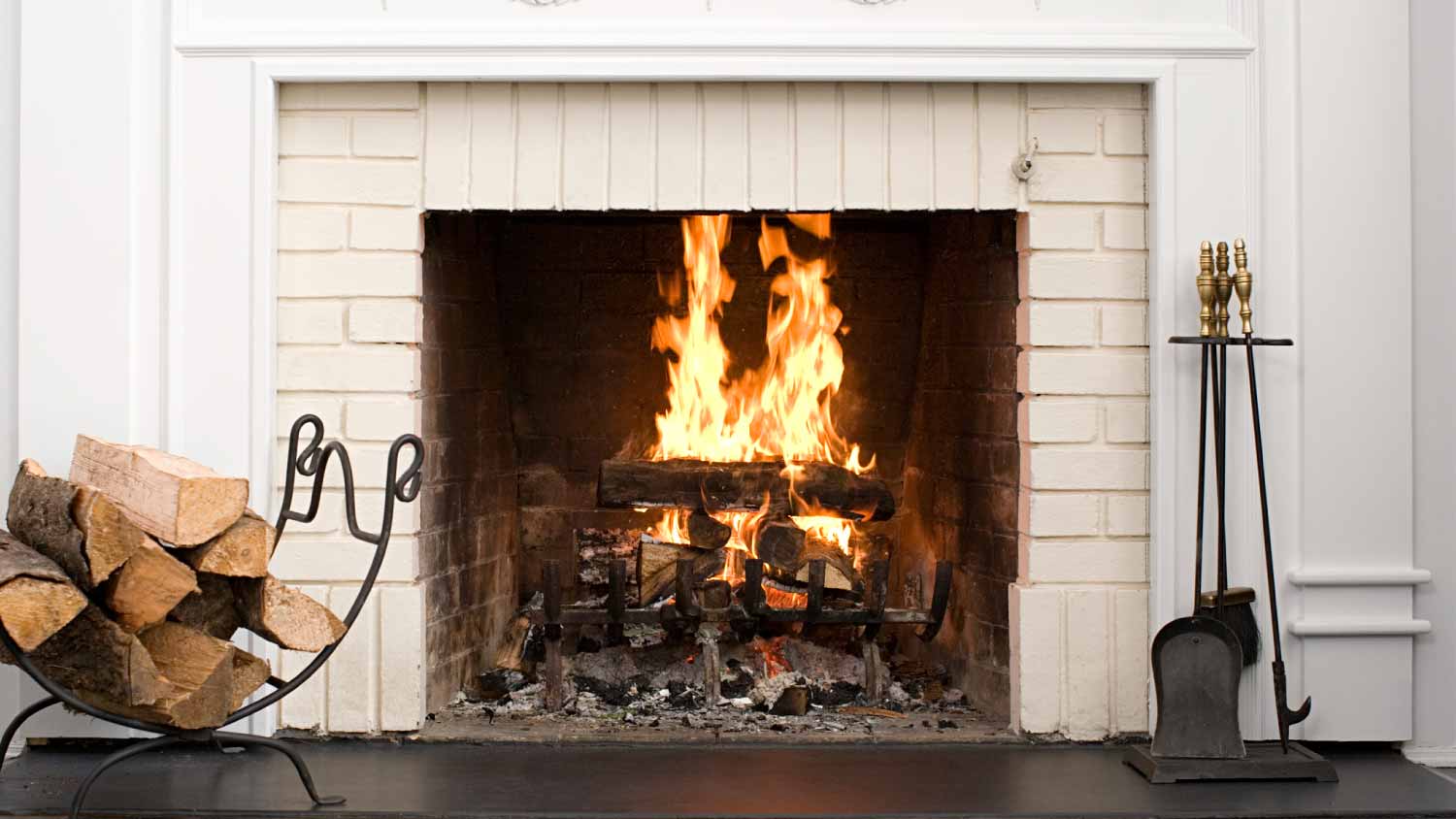
Energy Loss Through Chimneys
Chimneys let smoke escape but also let warm air leave the house. This causes energy loss. Warm air goes up and out through the chimney.
Cold air can come down the chimney when the fireplace is not in use. This makes the home colder and wastes energy.
- Warm air escapes through the chimney
- Cold air enters when fireplace is off
- Energy loss makes heating less efficient
Credit: www.angi.com
Improving Fireplace Heating
Fireplaces can make your home warm and cozy. Yet, alone they often fail to heat large spaces efficiently. Let's explore ways to boost their heating power.
By using inserts and blowers, you can enhance the heat output from your fireplace. Proper maintenance will ensure it operates at its best.
Inserts And Blowers
Fireplace inserts and blowers are tools that increase heat efficiency. Inserts help trap heat and direct it into the room. Blowers push warm air further into the space, spreading warmth.
- Inserts can be wood, gas, or electric.
- Blowers often come with adjustable speed settings.
- Both can reduce the energy needed to heat your home.
Proper Maintenance Tips
Maintaining your fireplace is crucial for safety and performance. Regular checks can prevent problems and extend its life.
| Maintenance Task | Frequency |
| Clean the chimney | Once a year |
| Check seals on inserts | Every season |
| Inspect blowers | Twice a year |
Safety Considerations
Fireplaces can make homes warm and cozy. But safety is very important. Understanding how to keep your fireplace safe can prevent accidents.
When using a fireplace, you must consider ventilation and fire prevention. These factors ensure a safer environment for your family.
Ventilation And Air Quality
Good ventilation keeps the air clean. Poor ventilation can cause smoke to fill your home. This affects health and comfort.
Open a window slightly when the fireplace is in use. This helps fresh air circulate and removes smoke effectively.
- Check the chimney for blockages
- Install carbon monoxide detectors
- Ensure the damper is open
Fire Prevention Measures
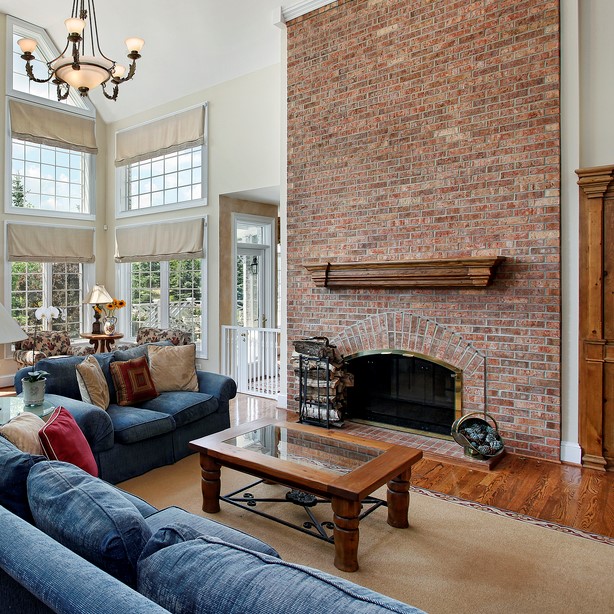
Taking steps to prevent fires is crucial. Keep flammable items far from the fireplace. Use a screen to stop sparks from escaping.
Regular maintenance of the fireplace and chimney is necessary. This reduces the risk of dangerous creosote buildup.
- Use seasoned wood for burning
- Keep a fire extinguisher nearby
- Never leave a fire unattended
Credit: www.felgemachermasonry.com
Environmental Impact
Fireplaces can create a cozy atmosphere and provide heat. Yet, they affect the environment in many ways. Understanding these effects helps us make better choices.
This section looks at emissions from fireplaces and offers eco-friendly alternatives to reduce harm.
Emissions And Pollution
Traditional wood-burning fireplaces release smoke and gases. These include carbon monoxide, carbon dioxide, and tiny particles. They can harm air quality and health.
- Smoke contains harmful particles that cause breathing problems.
- Carbon monoxide can be deadly in high amounts.
- Burning wood releases carbon dioxide, a greenhouse gas.
- Incomplete burning adds toxic chemicals to the air.
Eco-friendly Alternatives
Choosing cleaner options can lower pollution and still heat your home. Some alternatives use less fuel or burn it more fully.
| Alternative | Description | Environmental Benefit |
| Gas Fireplace | Burns natural gas or propane | Lower emissions, less smoke |
| Electric Fireplace | Uses electricity to produce heat | No direct emissions |
| Pellet Stove | Burns compressed wood pellets | Efficient, fewer particles |
| EPA-Certified Wood Stove | Meets strict emission standards | Cleaner burning, less pollution |
Cost Implications
Fireplaces can add warmth and charm to your home. Understanding the cost factors helps you decide if a fireplace is a good investment.
This section looks at the costs to install and run a fireplace. It also covers possible savings over time.
Installation And Operating Costs
Installing a fireplace requires upfront spending. Operating costs depend on the type of fuel used and how often you use it.
- Installation of wood-burning fireplaces can cost $2,500 to $5,000.
- Gas fireplaces usually cost $3,000 to $7,000 to install.
- Electric fireplaces have lower installation costs, around $500 to $1,500.
- Wood and gas fuel costs vary by location and usage.
- Electric fireplaces have low operating costs but may not heat large areas well.
Long-term Savings
Fireplaces can reduce heating bills if used wisely. Savings depend on fuel prices and how well your home retains heat.
| Type of Fireplace | Average Annual Operating Cost | Potential Savings on Heating Bills |
|---|---|---|
| Wood-burning | $500 - $1,200 | Up to 20% |
| Gas | $300 - $900 | Up to 15% |
| Electric | $100 - $400 | Up to 10% |
Frequently Asked Questions
Can A Fireplace Effectively Heat An Entire Home?
A fireplace can warm a single room well but usually cannot heat an entire home efficiently. Heat distribution is limited without additional systems like fans or ductwork.
What Types Of Fireplaces Provide The Best Heat?
Wood-burning and gas fireplaces generally provide better heat output compared to electric models. Efficient designs like sealed combustion units maximize warmth and reduce heat loss.
How Does Fireplace Efficiency Impact Home Heating?
Higher fireplace efficiency means more heat is retained and distributed inside your home. Inefficient fireplaces lose heat through chimneys, reducing their ability to warm rooms effectively.
Are Fireplaces Cost-effective For Home Heating?
Fireplaces can save on heating costs if used properly and fuel is affordable. However, they often supplement rather than replace primary heating systems due to inconsistent heat output.
Conclusion
A fireplace can add warmth and comfort to your home. It works best as a supplementary heat source. Fireplaces may not heat large spaces evenly. Proper use and maintenance improve their efficiency. Consider your home's size and insulation before relying on one.
Fireplaces also create a cozy atmosphere. They offer a charming way to stay warm. Always follow safety guidelines when using a fireplace. Think of it as part of your heating plan, not the whole solution.