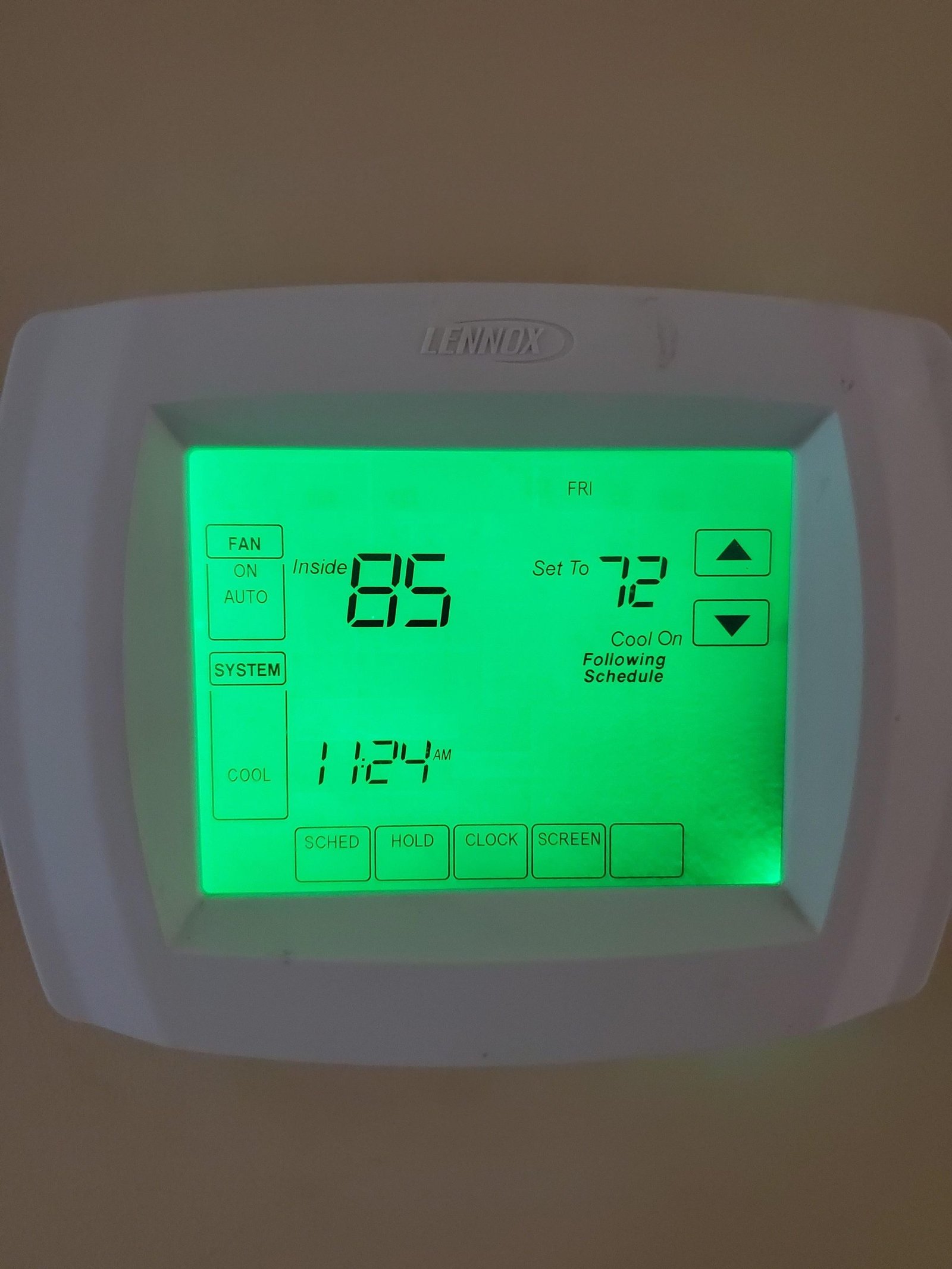
Is your air conditioner not blowing cold air when you need it most? You might be surprised to learn that your thermostat could be the hidden culprit.
When your home thermostat isn’t working right, it can stop your AC from turning on or cooling properly. This can leave you feeling hot, frustrated, and unsure of what to do next. You’ll discover how a bad thermostat can cause no air conditioning and what signs to watch for.
Keep reading to find out how to fix the problem before the heat gets worse.
How Thermostats Control Air Conditioning
A thermostat controls when your air conditioner turns on and off. It keeps your home at the temperature you set.
If the thermostat is not working well, the air conditioner may not run correctly or at all.
Basic Thermostat Functions
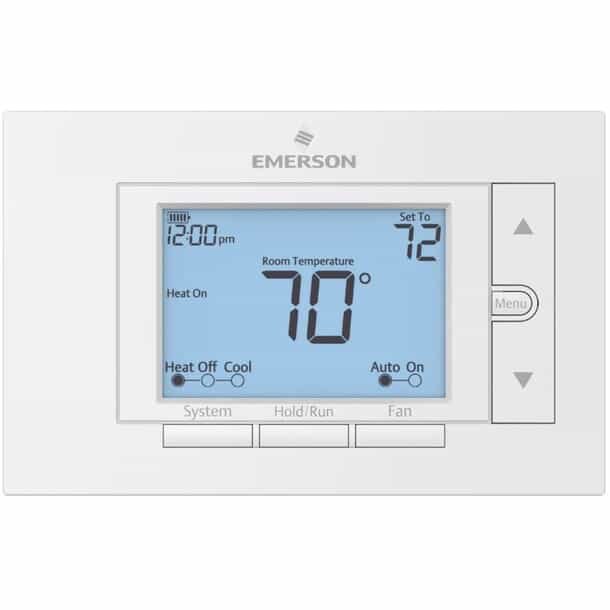
A thermostat measures the air temperature in your home. It compares this to the temperature you want.
When the air is warmer than the set temperature, the thermostat tells the air conditioner to start cooling.
- Reads current room temperature
- Allows you to set desired temperature
- Sends signals to turn cooling on or off
Role In Cooling Systems
The thermostat acts as the control center for your cooling system. It tells the air conditioner when to run.
If the thermostat fails, it may stop sending signals. This can cause no air conditioning in your home.
- Detects room temperature changes
- Triggers the air conditioner to cool
- Stops the air conditioner when cool enough
- Helps save energy by controlling run time
Signs Of A Faulty Thermostat
A thermostat controls your home's air conditioning. If it is bad, your AC might not work well. Knowing the signs helps fix problems early.
Watch for unusual behavior from your thermostat. These signs show it may be faulty and causing no air conditioning.
Temperature Inconsistencies
Your thermostat should keep the temperature steady. If the room feels too hot or too cold, it might be wrong. This means the thermostat is not reading the temperature correctly.
Sometimes, the AC runs but the room does not reach the set temperature. This shows a problem with the thermostat sensor or settings.
Unresponsive Controls
If you change the temperature on the thermostat and nothing happens, it might be broken. The controls may not respond to your commands.
A faulty thermostat might freeze or fail to display changes. This stops the AC from turning on or adjusting properly.
Frequent Cycling Of Ac
The AC should run smoothly. A bad thermostat causes the AC to turn on and off too often. This is called frequent cycling.
This rapid cycling wears out the AC and wastes energy. It shows the thermostat is not working right.
- AC turns on and off every few minutes
- Temperature swings quickly from hot to cold
- Thermostat display may flicker or reset
Common Thermostat Problems
A bad thermostat can stop your air conditioning from working. Many thermostat issues cause this problem. Checking the thermostat is a good first step.
Some problems are easy to fix. Others may need a professional. Knowing common issues helps you spot the cause fast.
Dead Batteries
Many thermostats use batteries to run. Dead batteries can make the thermostat stop working. This can cause no air conditioning.
Replacing the batteries is simple. Use fresh batteries and check the thermostat display. If it stays off, batteries are likely the problem.
- Thermostat screen goes blank
- Thermostat does not respond to touch
- Air conditioner does not turn on
Wiring Issues
Thermostats connect to your AC system with wires. Loose or damaged wires can stop signals. This stops the air conditioner from working.
Check wiring for signs of damage or looseness. If wires are broken or disconnected, the thermostat cannot control the AC.
- Wires may be frayed or broken
- Connections can come loose over time
- Terminals might be corroded or dirty
Sensor Malfunctions
Thermostats have sensors that measure room temperature. If a sensor is broken, it gives wrong readings. This stops the AC from turning on correctly.
Bad sensors can cause the thermostat to think the room is cooler or warmer than it is. This prevents the air conditioner from running as needed.
- Incorrect room temperature display
- Thermostat cycles AC on and off quickly
- Room stays hot even when AC is on

Credit: www.georgiaairrepair.com
Diagnosing Thermostat Issues
A bad thermostat can stop your air conditioning from working. Checking the thermostat helps find the problem.
Look for simple signs before calling a repair person. Testing the thermostat can save time and money.
Visual Inspection Steps
Start by looking at the thermostat carefully. Check if the screen is clear and buttons work well.
Look for dirt, damage, or loose wires behind the thermostat cover. These can cause problems.
- Make sure the thermostat is clean and free of dust
- Check the batteries if your thermostat uses them
- Look for cracks or broken parts on the unit
- Inspect wires for any signs of wear or disconnection
Testing Thermostat Functionality
Turn the thermostat to cooling mode and set a low temperature. The air conditioner should start soon.
If the system does not turn on, try replacing batteries or resetting the thermostat. Test again after this.
- Set thermostat to cool mode and lower the temperature
- Listen for clicks or sounds from the thermostat
- Check if the air conditioner responds
- Replace batteries if no response and test again
- Reset the thermostat according to the manual
When To Call A Professional
If the thermostat looks fine but the air conditioner still does not work, call a technician. They have the tools to fix complex issues.
Also call a professional if you find damaged wires or internal parts. Do not try to fix electrical parts yourself.
- The thermostat does not respond after testing
- You see broken wires or damaged components
- The air conditioner runs but does not cool
- You are unsure how to reset or fix the thermostat
Thermostat Replacement Options
A faulty thermostat can stop your air conditioning from working. Choosing the right replacement can fix the problem. There are a few main types to consider.
Each thermostat type has pros and cons. Understanding these will help you pick the best one for your home and budget.
Manual Vs. Programmable Thermostats
Manual thermostats need you to adjust the temperature by hand. They are simple but less flexible. Programmable thermostats allow you to set schedules. These can save energy by cooling only when needed.
- Manual thermostats are basic and easy to use.
- Programmable thermostats can set different temperatures for day and night.
- Programmable models help reduce electricity bills.
- Manual ones may cost less upfront.
Smart Thermostats Benefits
Smart thermostats connect to your Wi-Fi. You can control them from your phone. They learn your habits and adjust settings automatically. This helps keep your home comfortable and efficient.
- Remote control via smartphone apps.
- Automatic temperature adjustments.
- Energy usage reports to track savings.
- Integration with smart home devices.
Cost Considerations
| Thermostat Type | Average Cost | Installation Complexity |
| Manual | $20 - $50 | Easy |
| Programmable | $50 - $150 | Moderate |
| Smart | $120 - $300 | Moderate to Hard |
Consider your budget and willingness to install. Manual thermostats cost less but offer fewer features. Smart thermostats cost more but can save money long term.

Credit: callgunnys.com
Preventing Thermostat Failures
A faulty home thermostat can lead to no air conditioning. This can make your home uncomfortable and increase energy bills.
To keep your air conditioning running smoothly, focus on preventing thermostat issues. Regular maintenance and proper installation are key.
Regular Maintenance Tips
Regular maintenance ensures your thermostat works correctly. This can prevent air conditioning problems.
- Check batteries every six months.
- Dust the thermostat cover regularly.
- Update thermostat settings seasonally.
Proper Installation Practices
Proper installation of your thermostat is crucial. It prevents many common issues that lead to air conditioning failure.
| Action | Benefit |
| Place away from direct sunlight | Accurate temperature readings |
| Mount on interior walls | Stable temperature control |
| Ensure secure wiring | Reliable operation |

Credit: www.waychoffsac.com
Frequently Asked Questions
Can A Faulty Thermostat Stop Air Conditioning?
Yes, a faulty thermostat can disrupt the AC system. It may fail to signal the unit to cool, causing no air conditioning.
How Does A Bad Thermostat Affect Ac Performance?
A bad thermostat can cause incorrect temperature readings. This leads to the AC not turning on or running inefficiently.
What Are Signs Of A Malfunctioning Thermostat?
Common signs include inaccurate temperature, unresponsive controls, and constant cycling. These indicate the thermostat needs repair or replacement.
Can Replacing A Thermostat Restore Ac Cooling?
Replacing a faulty thermostat often restores proper AC function. It ensures accurate temperature control and reliable cooling.
Conclusion
A bad thermostat can stop your air conditioning from working. It controls when the AC turns on and off. If it breaks or shows wrong temperatures, the AC may not run. Checking the thermostat first can save time and money.
Replacing or fixing it often solves the problem quickly. Keep your home cool by making sure your thermostat works right. Don’t ignore strange behavior from your thermostat. Small issues can lead to no cooling at all. Stay comfortable with a reliable thermostat in place.