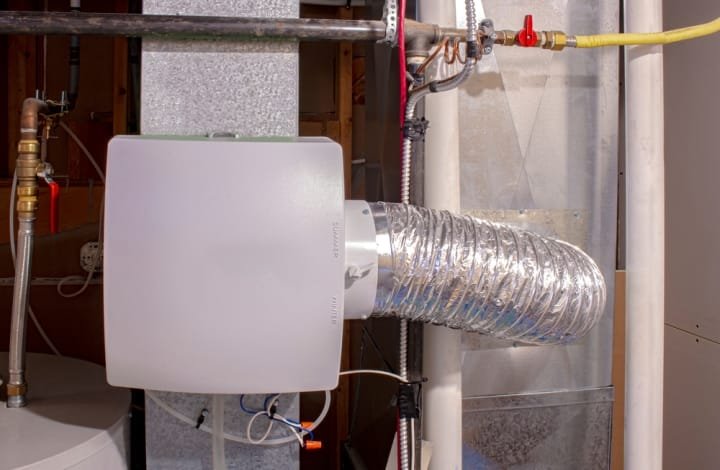
Are you tired of dry air making your home feel uncomfortable? Maybe you’ve noticed dry skin, irritated eyes, or even cracked wood furniture.
A whole home humidifier might be the solution you’ve been searching for. But is it really worth the investment? You’ll discover how these devices work, the benefits they offer, and whether they fit your lifestyle and budget. Keep reading to find out if a whole home humidifier could transform your living space and improve your comfort all year round.
Credit: www.popsci.com
Benefits Of Whole Home Humidifiers
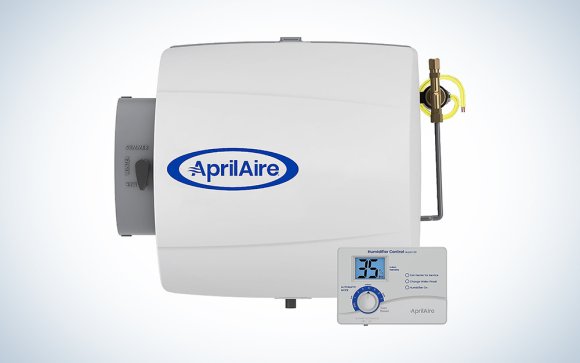
Whole home humidifiers add moisture to the air in your entire house. They help balance indoor humidity levels all year round.
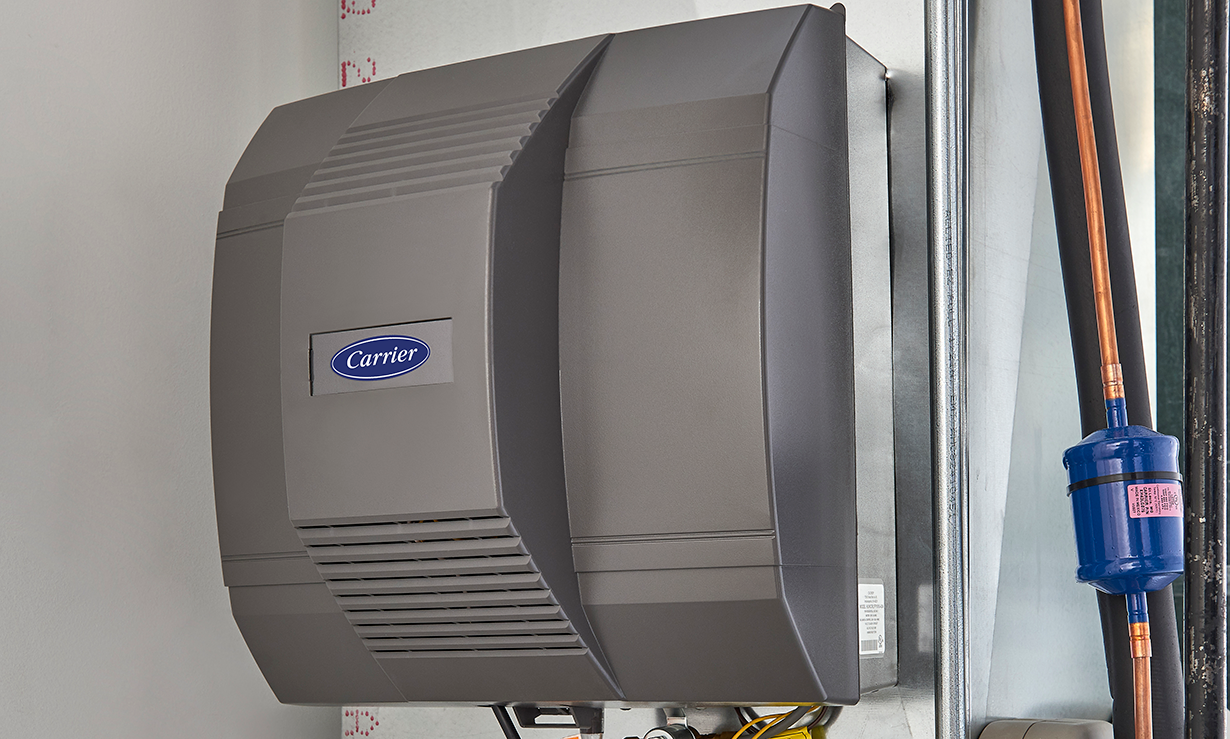
These systems connect to your heating and cooling system. They work quietly and keep your home comfortable and healthy.
Improved Air Quality
Dry air can cause dust and allergens to spread easily. Whole home humidifiers keep air moist. This helps reduce airborne dust and irritants.
- Reduces dust and allergens
- Prevents dry, itchy skin
- Stops static electricity buildup
- Keeps indoor plants healthy
Enhanced Comfort
Proper humidity makes your home feel warmer in winter and cooler in summer. It helps your skin stay soft and lips from cracking.
Balanced moisture also means less noise from static shocks and better breathing comfort for everyone.
Health Advantages
Breathing moist air helps your respiratory system. It can ease symptoms of colds, allergies, and dry throat.
| Health Benefit | How Humidifiers Help |
|---|---|
| Relieves dry sinuses | Moist air keeps nasal passages hydrated |
| Reduces coughs | Stops throat irritation from dry air |
| Improves sleep | Comfortable air eases breathing at night |
| Supports skin health | Prevents dryness and flaking |
Protecting Wood Furnishings
Wood furniture and floors can crack or warp if air is too dry. Whole home humidifiers keep the right moisture level to protect wood.
Maintaining 30-50% humidity:
- Prevents wood from shrinking
- Stops splitting and cracking
- Maintains finish and appearance
Types Of Whole Home Humidifiers
Whole home humidifiers add moisture to the air in your entire house. They help keep your home comfortable during dry seasons. There are different types of whole home humidifiers. Each type works in a unique way.
Choosing the right humidifier depends on your needs and home setup. Here are the main types of whole home humidifiers to know about.
Bypass Humidifiers
Bypass humidifiers use your home's heating system to add moisture. They connect to the ductwork and use warm air from the furnace. Air passes through a water panel, which adds humidity before moving into rooms.
These humidifiers do not have their own fan. They rely on the furnace blower to move air. They are simple and use less electricity.
Fan-powered Humidifiers
Fan-powered humidifiers also connect to the duct system. They have their own fan to blow air through the water panel. This helps add more moisture faster than bypass models.
This type works well in larger homes or very dry climates. The fan uses extra electricity, but it improves humidification.
Steam Humidifiers
Steam humidifiers boil water to create steam. They send this steam into the duct system or directly into rooms. This type can add a lot of moisture quickly and precisely.
Steam humidifiers need electricity to boil water. They are more expensive but good for very dry areas or homes needing strong humidity control.
Installation And Maintenance
Whole home humidifiers add moisture to the air throughout your house. Proper installation and care help them work well and last longer.
This section explains the differences between professional and DIY installation. It also shares cleaning tips and common maintenance tasks.
Professional Vs Diy Installation
Installing a whole home humidifier can be done by you or a pro. Each choice has pros and cons to consider.
- Professional Installation:Experts connect the unit to your HVAC system safely and quickly.
- DIY Installation:You save money but must follow instructions carefully.
- Complexity:Some models need plumbing and electrical work, which may require a pro.
- Warranty:Professional installs often keep warranties valid.
Regular Cleaning Tips
Cleaning your humidifier keeps it free from mold and bacteria. Clean it often for safe air quality.
- Turn off the humidifier before cleaning.
- Use a soft cloth and mild soap to wipe surfaces.
- Rinse the water panel or filter with clean water.
- Remove mineral buildup with vinegar if needed.
- Dry all parts before reassembling.
Common Maintenance Tasks
| Task | How Often | Details |
| Check Water Panel | Monthly | Replace if worn or dirty |
| Inspect Humidistat | Every 3 Months | Ensure it reads humidity correctly |
| Clean Unit | Monthly | Prevent mold and mineral buildup |
| Check for Leaks | Every 6 Months | Look at water and connections |
| Service HVAC | Yearly | Include humidifier check with HVAC tune-up |
Cost Considerations
Whole home humidifiers can improve indoor air quality. Understanding costs helps decide if they are a good fit for you.
Let's explore the financial aspects of owning a whole home humidifier.
Initial Investment
The initial investment is the first cost to consider. This includes the price of the unit and installation fees.
- Unit costs range from $200 to $1,200.
- Installation can add $300 to $500.
- Complex systems may cost more.
Operating Expenses
Operating expenses include electricity and maintenance. These costs can vary based on usage and model.
| Expense Type | Average Cost |
| Electricity | $10/month |
| Filter Replacement | $20/year |
| Annual Check-up | $75/year |
Long-term Savings
Whole home humidifiers can lead to savings over time. They help maintain the integrity of your home and health.
- Reduces heating costs by retaining moisture.
- Prevents wood damage and peeling paint.
- Potentially lowers medical bills due to better air quality.
Potential Drawbacks
Whole home humidifiers can improve air quality but may have some downsides. It is important to understand these before installing one.
This section covers risks of too much humidity, maintenance needs, and system compatibility issues.
Over-humidification Risks
Adding too much moisture can cause problems inside your home. High humidity can lead to mold growth, dust mites, and damage to wood furniture.
- Musty odors and mold spots on walls or ceilings
- Increased dust mite population that may trigger allergies
- Warping or cracking of wooden floors and furniture
- Condensation on windows that may cause damage
Maintenance Challenges
Whole home humidifiers need regular care to work well. Filters and pads must be cleaned or replaced often to avoid bacteria buildup.
| Maintenance Task | Frequency |
| Replace water panel or filter | Every 1 to 3 months |
| Clean humidifier unit | Monthly |
| Check for leaks or corrosion | Every 6 months |
| Inspect water supply line | Annually |
Compatibility With Hvac Systems
Some whole home humidifiers may not fit all HVAC systems. Incorrect installation can reduce system efficiency or cause damage.
Consider these points before adding a humidifier:
- Check if your HVAC has space and hookups for a humidifier.
- Confirm the humidifier matches your system’s airflow and capacity.
- Improper fit may increase energy use and reduce heating or cooling performance.
- Professional installation is often needed to avoid issues.
Comparing Whole Home To Portable Humidifiers
Humidifiers add moisture to dry air. This helps protect your skin and furniture. Two common types are whole home and portable humidifiers.
This article compares these two types on coverage area, efficiency, convenience, and cost differences.
Coverage Area
Whole home humidifiers cover large spaces. They connect to your home's HVAC system. Portable humidifiers work in single rooms only.
- Whole home units humidify the entire house evenly.
- Portable units are ideal for bedrooms or small offices.
- Whole home systems need less frequent refilling.
- Portable humidifiers require daily refills in busy rooms.
Efficiency And Convenience
Whole home humidifiers use less energy for large spaces. They run quietly and need less maintenance. Portable units can be noisy and need more care.
| Feature | Whole Home Humidifier | Portable Humidifier |
| Energy Use | Low per square foot | Higher per room |
| Noise Level | Very quiet | Can be loud |
| Maintenance | Monthly checks | Frequent cleaning |
| Refill Frequency | Rare | Daily or every few days |
Cost Differences
Whole home humidifiers cost more upfront. They may save money over time. Portable units are cheaper but may cost more in supplies.
- Whole home units require professional installation.
- Portable humidifiers are ready to use out of the box.
- Whole home systems lower energy bills for big homes.
- Portable units can add up in electricity and water filter costs.
Signs You Need A Whole Home Humidifier
A whole home humidifier can make your house more comfortable. It helps keep the air moist, which is good for health and your home.
Here are some signs that you might need a humidifier for your entire house. Each sign shows how dry air can be a problem.
Dry Skin And Irritation
Dry air can make your skin feel itchy and tight. You might notice more redness and irritation.
Using lotions might not help if the air is too dry. A humidifier can add moisture back into the air.
Static Electricity Issues
Dry air causes more static electricity in your home. You might feel shocks when you touch metal or clothes stick together.
Static can be annoying and even damage electronics. A humidifier reduces static by adding moisture to the air.
Wood Floor Cracking
Your wood floors might start cracking or separating. This happens because dry air takes moisture from the wood.
A humidifier helps keep the wood in good shape. It prevents cracks by maintaining the right moisture level.
Frequent Respiratory Problems
Breathing dry air can cause coughs and sore throats. It might also make asthma or allergies worse.
A humidifier helps keep your airways moist. It can reduce these health issues and help you breathe easier.

Credit: www.reddit.com
Credit: www.carrier.com
Frequently Asked Questions
What Are The Benefits Of Whole Home Humidifiers?
Whole home humidifiers improve indoor air quality and comfort. They prevent dry skin, reduce static, and protect wood furniture. They also help ease respiratory issues by maintaining optimal humidity levels throughout the house.
How Much Does A Whole Home Humidifier Cost?
Costs vary by model and installation complexity. Typically, prices range from $300 to $1,500. Installation by a professional may add $100 to $300. Consider long-term energy savings when evaluating costs.
Are Whole Home Humidifiers Energy Efficient?
Yes, whole home humidifiers are generally energy efficient. They use minimal electricity and work with your HVAC system. Maintaining balanced humidity can also reduce heating costs during winter.
How Often Should I Maintain A Whole Home Humidifier?
Regular maintenance is essential for optimal performance. Clean the unit and replace filters every 3 to 6 months. This prevents mold growth and ensures efficient operation.
Conclusion
Whole home humidifiers can improve air quality and comfort. They help reduce dry skin, coughs, and static electricity. These systems work quietly and cover every room. Installation and maintenance require some effort but offer lasting benefits. Consider your budget and home size before deciding.
Many find the investment worthwhile for better living conditions. Think about your family’s health and comfort needs too. Overall, whole home humidifiers offer steady moisture control for your entire house.