Are you thinking about adding a whole home humidifier to your living space but wondering if it’s safe? You’re not alone.
Many people want to improve their home’s air quality but worry about potential risks. The good news is, understanding how these devices work and what to watch out for can help you make the best choice for your family’s health.
You’ll discover the key facts about whole home humidifiers, how to use them safely, and what benefits they can bring to your comfort and wellbeing. Keep reading to find out everything you need to know before making a decision.
How Whole Home Humidifiers Work
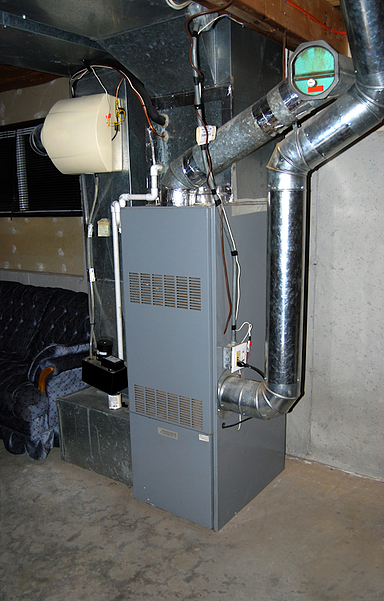
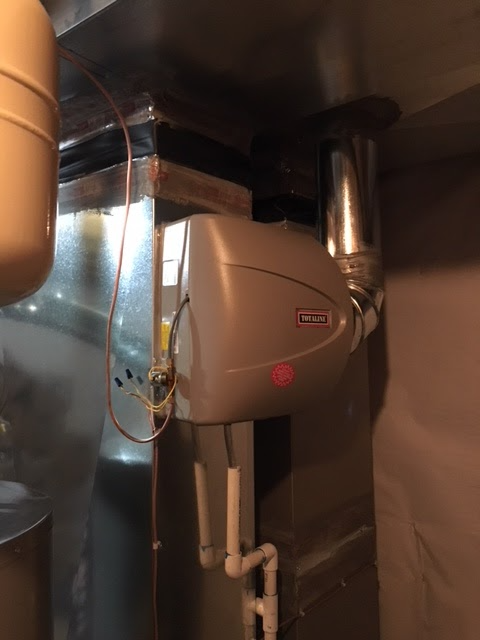
Whole home humidifiers add moisture to the air in your entire house. They connect to your home's heating or cooling system. This helps keep air comfortable and healthy all year.
These systems work quietly and automatically. They sense the air's dryness and release water vapor to balance humidity levels.
Types Of Whole Home Humidifiers
There are several types of whole home humidifiers. Each uses a different method to add moisture to the air.
- Bypass Humidifiers: Use warm air from the furnace to evaporate water.
- Fan-Powered Humidifiers: Use a fan to blow air through a wet pad or filter.
- Steam Humidifiers: Create steam that mixes with the air in the ducts.
- Drum Humidifiers: Rotate a water-soaked drum to add moisture.
Installation Process
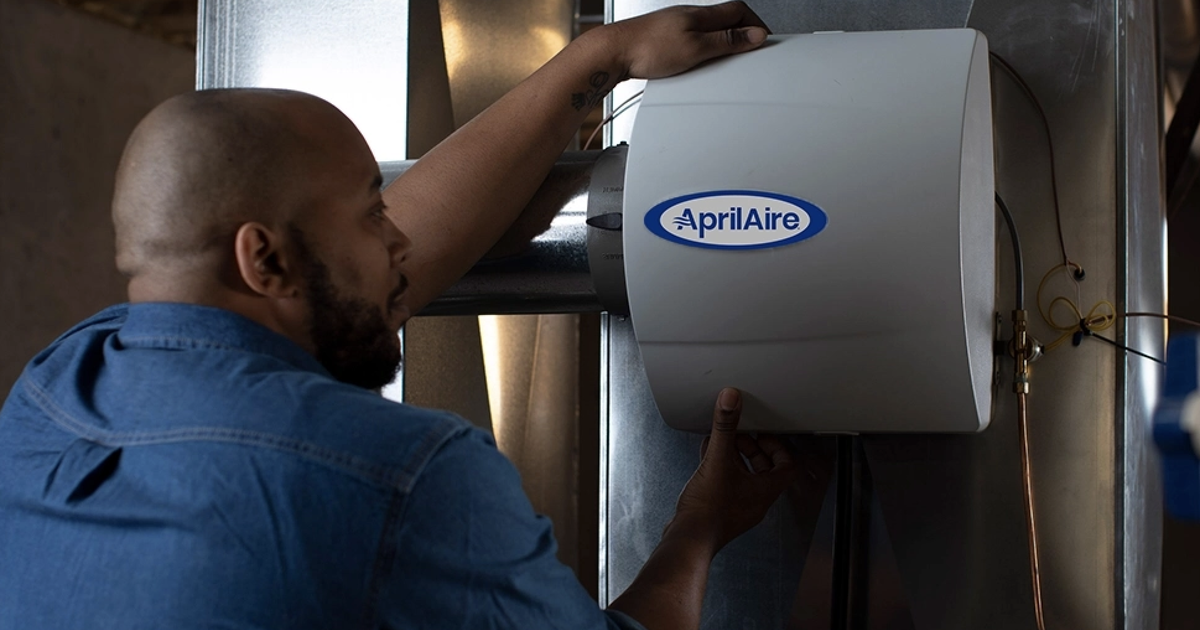
Installing a whole home humidifier takes careful steps. It must fit with your HVAC system. A professional usually handles the setup.
- Turn off the HVAC system to ensure safety.
- Choose a spot on the ductwork for the humidifier.
- Cut an opening in the duct for the humidifier unit.
- Mount the humidifier and connect it to the water supply.
- Wire the control system to the furnace or thermostat.
- Test the system to confirm proper operation.
Humidification Mechanisms
Whole home humidifiers add moisture in different ways. Some use heat, others use air movement or steam. Each method helps improve indoor air quality.
| Type | How It Works | Water Source |
|---|---|---|
| Bypass | Uses warm air to evaporate water from a pad. | Plumbed water line |
| Fan-Powered | Blows air over a wet filter to add moisture. | Plumbed water line |
| Steam | Heats water to steam, then releases it into ducts. | Plumbed water line |
| Drum | Rotates a drum soaked in water to humidify air. | Plumbed water line |
Credit: www.callgleason.com
Health Benefits Of Whole Home Humidifiers
Whole home humidifiers add moisture to the air in your entire house. They help keep indoor air at a healthy humidity level.
Using a whole home humidifier can improve your comfort and health, especially during dry seasons.
Improved Respiratory Health
Dry air can irritate your nose, throat, and lungs. Whole home humidifiers keep air moist to ease breathing.
Moist air helps reduce coughs and sore throats. It also supports the healing of cold symptoms faster.
Skin Hydration
Dry air can make your skin dry and itchy. Whole home humidifiers add moisture to prevent skin dryness.
Keeping skin hydrated helps reduce flaking and irritation. It supports healthier, softer skin all day.
Allergy And Cold Relief
Humid air helps reduce allergy symptoms by soothing nasal passages. It also prevents dryness that worsens allergies.
Using a whole home humidifier can ease cold symptoms like congestion and dry cough. It helps you feel better.
Potential Risks And Concerns
Whole home humidifiers can improve air quality. They add moisture to dry indoor air. But using them comes with some risks.
It is important to know the possible problems. This helps keep your home safe and comfortable.
Mold And Bacteria Growth
Humidifiers that add too much moisture can cause mold and bacteria to grow. These microbes can spread in your home and cause health problems.
- Mold grows on walls, ceilings, and furniture in damp areas.
- Bacteria can build up in humidifier tanks if not cleaned.
- These can trigger allergies and respiratory issues.
- Proper humidity levels help prevent mold and bacteria.
Over-humidification Issues
Too much humidity can make your home uncomfortable. It can cause damage to wood and paint. It also creates a breeding ground for pests.
| Problem | Effect |
| High Humidity | Peeling paint and warped wood |
| Excess Moisture | Dust mites and cockroach growth |
| Condensation | Water damage on windows and walls |
Maintenance Challenges
Whole home humidifiers need regular cleaning and upkeep. Without care, they can stop working well or cause health issues.
- Change water filters often to avoid buildup.
- Clean the unit to stop mold and bacteria growth.
- Check for leaks or damage in the system.
- Follow the manufacturer’s instructions for care.

Credit: www.schaafsma.com
Safety Tips For Using Whole Home Humidifiers
Whole home humidifiers add moisture to your house air. They help prevent dry skin and ease breathing. Using them safely keeps your family healthy.
Follow simple safety tips to avoid problems. Clean and maintain your humidifier well. Keep humidity levels in the right range. Choose the right humidifier for your home.
Regular Cleaning And Maintenance
Clean your whole home humidifier often to stop mold and bacteria. Dirty humidifiers can spread germs in the air. Follow the manufacturer’s cleaning instructions carefully.
- Turn off and unplug before cleaning
- Empty and rinse water tanks every day
- Use vinegar or mild soap to remove buildup
- Replace filters as recommended
- Inspect parts regularly for damage
Optimal Humidity Levels
Keep your home humidity between 30% and 50%. Too much moisture causes mold and dust mites. Too little makes dry skin and nose irritation. Use a hygrometer to check levels.
| Humidity Level | Effect |
| Below 30% | Dry air, skin, and throat irritation |
| 30% to 50% | Comfortable and healthy air |
| Above 50% | Risk of mold, dust mites, and bacteria |
Choosing The Right Humidifier
Pick a humidifier that fits your home size and needs. Whole home models connect to your HVAC system. Check the unit’s capacity and features before buying.
- Size of your home (square feet)
- Ease of cleaning and filter replacement
- Automatic humidity control
- Energy efficiency and noise level
Comparing Whole Home And Portable Humidifiers
Humidifiers add moisture to the air to help with dry skin and breathing. You can choose between whole home and portable humidifiers. Both have benefits and limits.
This guide compares these two types to help you understand their safety and features.
Effectiveness And Coverage
Whole home humidifiers work with your HVAC system. They cover the entire house. Portable humidifiers only add moisture to one room or small area.
Whole home units keep a steady humidity level everywhere. Portable ones need refilling and moving to different rooms.
- Whole home covers all rooms at once
- Portable humidifiers serve one room at a time
- Whole home is better for large spaces
- Portable is good for small areas or personal use
Cost And Installation
Whole home humidifiers cost more upfront. Installation needs a professional to connect to the HVAC system. Portable humidifiers cost less and do not need installation.
Portable units are easy to buy and use right away. Whole home units last longer and may save money on energy in the long run.
- Whole home: higher initial cost, professional installation
- Portable: low cost, no installation needed
- Whole home may reduce energy costs
- Portable may need replacement parts often
Ease Of Use
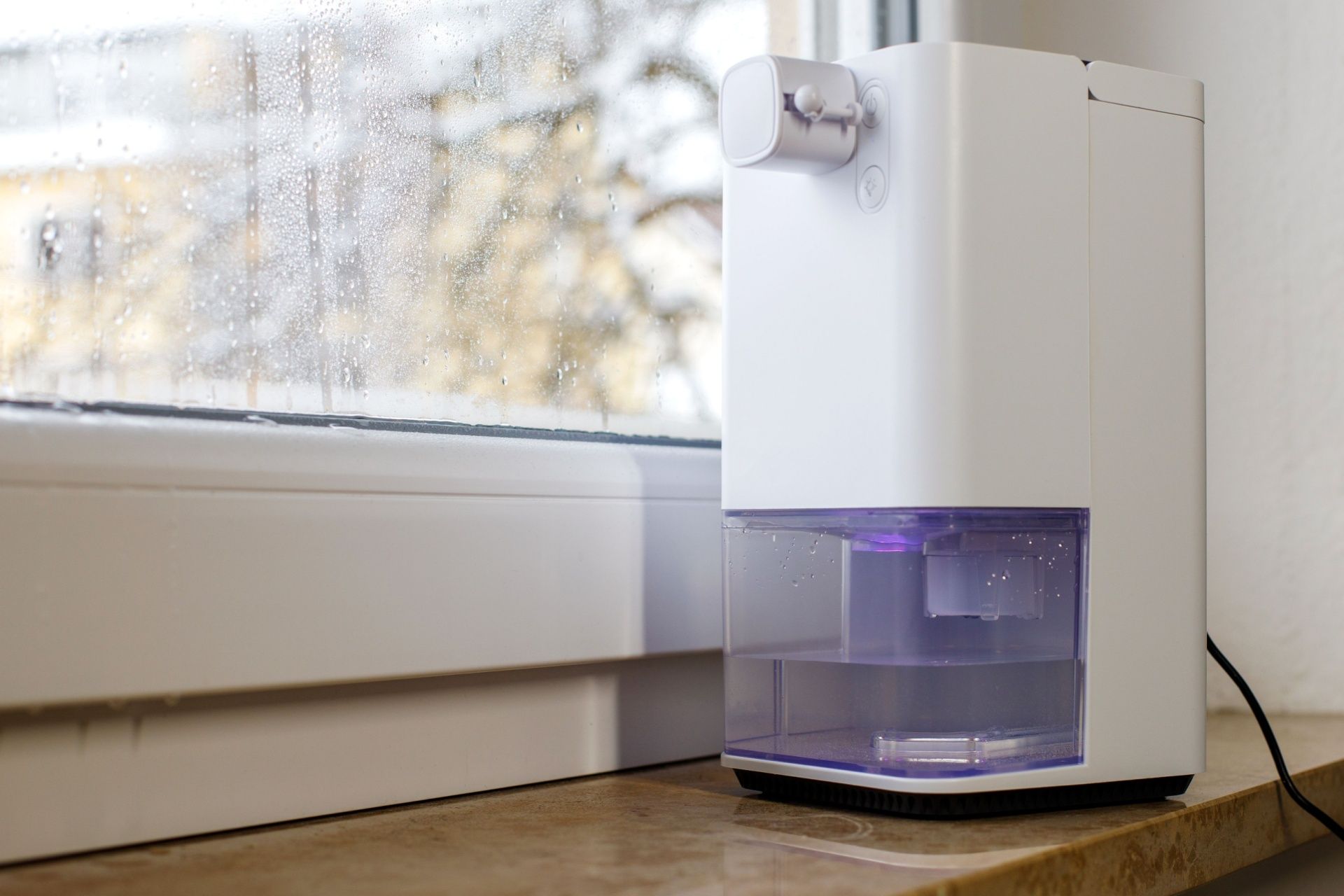
Whole home humidifiers work automatically with your heating and cooling system. You set them once and they run quietly. Portable humidifiers need regular refilling and cleaning.
Portable units are easy to move and use in any room. Whole home humidifiers do not need much attention but cannot be moved.
- Whole home: automatic, low maintenance
- Portable: manual refilling, frequent cleaning
- Whole home: fixed in one place
- Portable: portable and flexible
Credit: michaelandson.com
Signs You Need To Adjust Your Humidifier
A whole home humidifier can improve comfort and health. But it's important to adjust it properly. Too much or too little humidity can cause problems. Here are signs you need to adjust your humidifier.
Detecting Excess Moisture
Excess moisture can lead to issues in your home. Check for signs like condensation on windows. This indicates too much humidity in the air.
Mold and mildew can also appear if humidity is too high. These are health hazards. Adjust the humidifier to reduce moisture levels.
- Condensation on windows
- Mold on walls or ceilings
- Musty smell in rooms
Monitoring Air Quality
Good air quality is essential for a healthy home. Use a hygrometer to check humidity levels. Ideal indoor humidity is between 30% and 50%.
Too much humidity can worsen air quality. It can also increase dust mites and allergens. Adjust the humidifier to maintain optimal air quality.
Health Symptoms To Watch
Humidity levels affect health. Dry air can cause sore throats and dry skin. High humidity can cause respiratory issues.
Watch for symptoms like coughing or sneezing. These can indicate improper humidity levels. Adjust the humidifier for better health.
- Sore throat or dry skin
- Coughing or sneezing
- Respiratory discomfort
Frequently Asked Questions
Are Whole Home Humidifiers Safe For Families?
Yes, whole home humidifiers are safe when properly installed and maintained. They improve indoor air quality by adding moisture, reducing dryness-related issues. Regular cleaning prevents mold and bacteria growth, ensuring a healthy environment for families.
Can Whole Home Humidifiers Cause Mold Growth?
Whole home humidifiers can cause mold if humidity levels exceed 50%. Proper use and monitoring prevent excessive moisture buildup. Maintaining recommended humidity levels and cleaning units regularly helps avoid mold and keeps your home safe.
How Often Should Whole Home Humidifiers Be Cleaned?
Whole home humidifiers should be cleaned at least once a month. Regular cleaning prevents mineral deposits, mold, and bacteria buildup. This ensures the humidifier runs efficiently and maintains safe, healthy air quality in your home.
Do Whole Home Humidifiers Improve Indoor Air Quality?
Yes, they improve indoor air quality by adding balanced moisture. This reduces dry skin, respiratory issues, and static electricity. Properly maintained units create a comfortable, healthier living environment for the entire home.
Conclusion
Whole home humidifiers can be safe when used correctly. Regular cleaning stops mold and bacteria growth. Proper installation helps avoid leaks and damage. Using the right humidity level protects your health and home. Check the system often for any issues.
A well-maintained humidifier adds comfort during dry months. It supports better breathing and skin health too. Choose a model that fits your home size. Safety and care go hand in hand. This keeps your home cozy and healthy all year.