Are you looking for a cleaner, quieter way to heat your home? Electric boilers might be the answer you’ve been searching for.
But what exactly are they, and can they truly replace your traditional heating system? You’ll discover how electric boilers work, their benefits, and whether they fit your home’s needs and budget. Keep reading to find out if this modern heating solution is right for you.
Electric Boilers In Home Heating
Electric boilers are heating systems that use electricity to warm water. They help heat homes by sending hot water through pipes and radiators.
These boilers are an option for people who want a cleaner and simpler heating method. They do not burn fuel, so they produce no smoke or fumes.
How Electric Boilers Work
Electric boilers heat water using electric heating elements. These elements warm the water inside the boiler tank.
Once the water is hot, a pump moves it through pipes to radiators or underfloor heating. The heat spreads into rooms to keep them warm.
- Electric current heats metal elements
- Elements transfer heat to water
- Hot water circulates through the home
- Thermostats control temperature
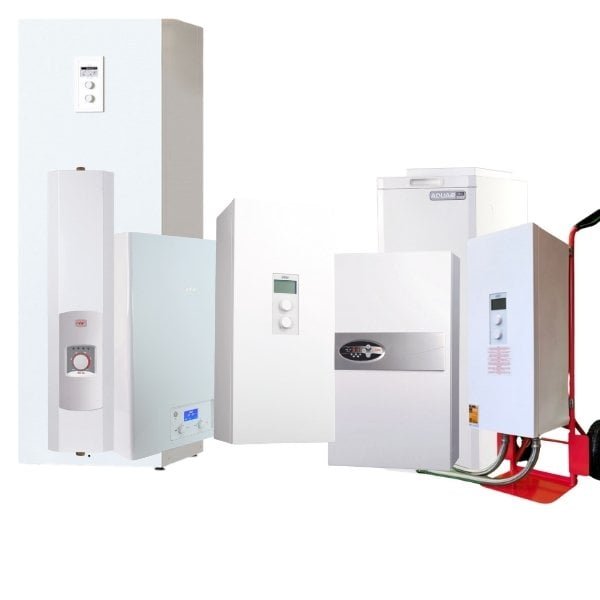
Types Of Electric Boilers Available
There are several types of electric boilers. Each type works well for different home heating needs.
Choosing the right type depends on the size of your home and your heating system.
- Standard Electric Boilers:Heat water in a tank and store it for use.
- Combi Electric Boilers:Provide hot water on demand without a tank.
- Electric Condensing Boilers:Use extra technology to save energy.
- Electric Thermal Storage Boilers:Heat water at night when electricity is cheaper.
Efficiency Benefits
Electric boilers for home heating use electricity to heat water. They are different from gas or oil boilers. Many homeowners want to know if electric boilers save energy and money.
This article explains the main efficiency benefits of electric boilers. It covers energy conversion rates and how they help with cost savings over time.
Energy Conversion Rates
Electric boilers convert nearly all the electricity they use into heat. This means their energy conversion rate is very high, often close to 100%. Other types of boilers lose some energy during combustion.
- Electric boilers have almost no heat loss through exhaust gases.
- They heat water quickly and maintain steady temperatures.
- They offer even and consistent heat output for the home.
Cost Savings Over Time
Even though electricity can cost more than gas, electric boilers can save money over time. Their high efficiency means less energy waste. Maintenance costs are often lower too.
| Factor | Electric Boilers | Gas Boilers |
| Efficiency | Up to 99% | 70% - 90% |
| Maintenance Cost | Low | Moderate to High |
| Installation Cost | Moderate | Moderate to High |
| Energy Cost | Higher per kWh | Lower per unit |
Eco-friendly Advantages
Electric boilers are a cleaner way to heat your home. They use electricity, which can come from green sources.
These boilers help reduce pollution compared to traditional heating methods. They are easy to install and maintain.
Reduced Carbon Emissions
Electric boilers produce no direct carbon emissions. This means they do not burn fossil fuels like gas or oil.
Using an electric boiler lowers your home's carbon footprint. It helps fight climate change by cutting greenhouse gases.
Compatibility With Renewable Energy
Electric boilers can use electricity from solar or wind power. This makes home heating more sustainable and green.
Pairing electric boilers with renewable energy reduces reliance on nonrenewable fuels. It supports a cleaner energy future.
- Solar panels can power electric boilers directly
- Wind energy can supply clean electricity for heating
- Renewable energy sources lower overall environmental impact
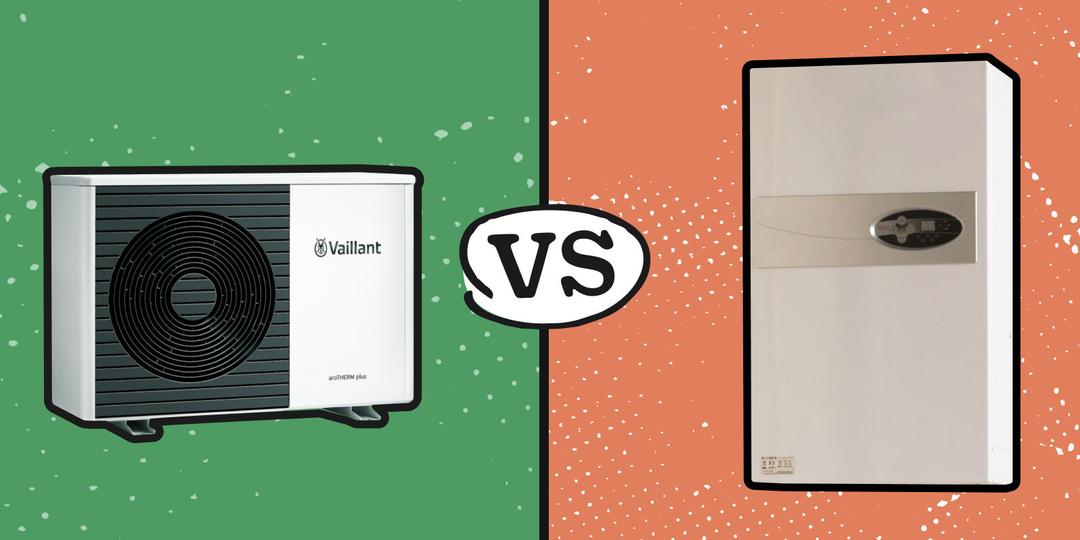
Credit: heatable.co.uk
Installation And Maintenance
Electric boilers are a popular choice for home heating. They offer a clean and efficient way to warm your home. Installing and maintaining these boilers is simple with the right knowledge.
This guide explains the key points about installing and caring for electric boilers at home. It covers space needs and routine maintenance.
Space And Setup Requirements
Electric boilers need less space than traditional boilers. They do not require a chimney or gas pipe. This makes them easier to install in many homes.
Choose a dry, ventilated area for the boiler. It should be near electrical and water connections. The floor must support the boiler’s weight.
- Ensure enough space around the boiler for airflow
- Locate near a power source with correct voltage
- Keep away from flammable materials
- Allow room for future maintenance access
Routine Care And Longevity
Regular care helps electric boilers last longer and work well. Check the system yearly to find any issues early. Cleaning parts can prevent damage.
Keep an eye on pressure and water levels. Replace worn parts quickly to avoid bigger problems. Using a professional for service is a good idea.
- Inspect electrical connections for safety
- Clean the boiler’s surface and vents
- Check and adjust pressure as needed
- Schedule annual professional inspections
- Replace any faulty parts promptly
Comparing Electric Boilers To Traditional Systems
Heating homes can be done with different systems. Electric boilers are a modern option. They are often compared to traditional heating systems like gas or oil boilers.
Understanding the differences helps in choosing the right heating system. This article covers performance and environmental impact of electric boilers.
Performance Differences
Electric boilers have unique performance features. They are known for being quiet and compact. They convert electricity directly into heat. This makes them efficient.
| Feature | Electric Boilers | Traditional Boilers |
| Efficiency | High | Varies |
| Space Required | Less | More |
| Noise Level | Low | Higher |
Environmental Impact
Electric boilers are considered environmentally friendly. They produce no direct emissions. Traditional systems, like gas boilers, release CO2 and other pollutants.
- Electric boilers use renewable energy sources
- No combustion gases are released
- Traditional systems may contribute to air pollution

Credit: www.electric-heatingcompany.co.uk
Choosing The Right Electric Boiler
Electric boilers provide a clean and efficient way to heat your home. Choosing the right one depends on several key factors.
Understanding these factors helps you get the best performance and value for your heating needs.
Sizing And Capacity Considerations
Choosing the right size electric boiler is important for comfort and energy use. Too small a boiler will not heat your home well. Too large will waste energy and money.
- Calculate your home's heat loss to find needed capacity.
- Check the boiler’s output power, usually measured in kilowatts (kW).
- Consider the number of rooms and bathrooms to be heated.
- Think about future home expansions or extra heating needs.
- Consult a heating professional for accurate sizing advice.
Budget And Incentives
Electric boilers vary in price. Your budget affects your choices. Also, government incentives can reduce costs.
| Factor | Details |
| Initial Cost | Ranges from $1,000 to $5,000 depending on size and brand |
| Installation | Costs vary based on home setup and electrical upgrades needed |
| Running Costs | Electricity prices affect monthly heating bills |
| Incentives | Check local rebates or tax credits for electric heating systems |
| Maintenance | Electric boilers require less maintenance than gas boilers |

Credit: greenheatscotland.co.uk
Frequently Asked Questions
What Is An Electric Boiler For Home Heating?
An electric boiler heats water using electricity instead of gas or oil. It provides efficient, clean heating for homes. Electric boilers are compact and easy to install, ideal for small spaces or homes without gas supply.
Are Electric Boilers Energy Efficient For Homes?
Yes, electric boilers convert nearly all electrical energy into heat. They have high efficiency ratings, often above 95%. This makes them cost-effective and environmentally friendly, especially when paired with renewable electricity sources.
Can Electric Boilers Replace Traditional Gas Boilers?
Electric boilers can replace gas boilers in many homes. They offer similar heating performance without emissions. However, electric boilers may increase electricity bills, so assessing energy costs is essential before switching.
How Much Does An Electric Boiler Cost To Run?
Running costs depend on electricity prices and boiler size. Electric boilers usually cost more to operate than gas boilers. However, lower installation and maintenance expenses can offset higher energy bills.
Conclusion
Electric boilers offer a clean, quiet way to heat your home. They use electricity to warm water quickly and safely. These systems fit well in small spaces and need less maintenance. Costs vary depending on energy prices and home size.
Choosing an electric boiler means thinking about your needs and budget. They can be a good choice for simple, efficient heating. Consider all options before deciding what suits your home best.