Are you thinking about building a home and wondering if steel is a safe choice? You’re not alone.
Many people ask, “Are steel homes safe? ” It’s a smart question because your home should protect you and your loved ones no matter what. Steel homes offer unique benefits, but you might have concerns about strength, durability, or how they stand up to weather and fire.
This article will clear up those doubts and help you decide if a steel home is right for you. Keep reading to discover the truth about steel homes and safety.
Steel Homes And Safety
Steel homes are becoming popular for their strength and safety. People often ask if steel homes are safe to live in.
This article looks at how steel homes compare in durability, their resistance to natural disasters, and how steel quality affects safety.
Durability Compared To Traditional Homes
Steel homes last longer than many traditional wood or brick homes. Steel does not warp, crack, or rot like wood.
Steel also resists pests such as termites that damage wood structures. This makes steel homes a strong choice for long-term safety.
Resistance To Natural Disasters
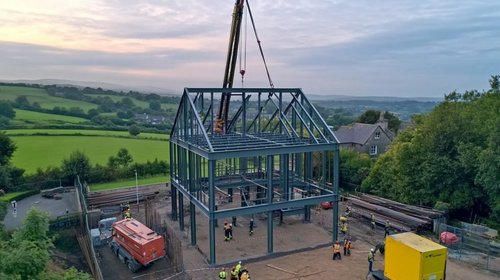
Steel homes handle disasters better than many traditional homes. They stand firm against strong winds, heavy snow, and floods.
- Steel frames resist earthquakes by bending without breaking.
- Steel does not catch fire easily, adding fire safety.
- Steel walls can withstand hail and flying debris better than wood.
- Steel is not damaged by water, reducing flood risks.
Impact Of Steel Quality On Safety
The safety of a steel home depends on the steel quality. High-quality steel is stronger and lasts longer.
| Steel Grade | Strength Level | Corrosion Resistance |
| Grade A | High | Excellent |
| Grade B | Medium | Good |
| Grade C | Low | Fair |
Using the right steel grade helps protect your home from damage and keeps your family safe.
Credit: brickkickers.co.uk
Fire Resistance Of Steel Homes
Steel homes are known for their strength and durability. Their fire resistance is an important safety feature. Understanding how steel behaves in fire helps homeowners make safe choices.
This article explains steel behavior under high temperatures, fireproofing methods, and real fire cases involving steel homes.
Steel Behavior Under High Temperatures
Steel can weaken when exposed to high heat. It loses strength and may bend or warp. This can affect the home's structure during a fire.
- Steel starts to lose strength at about 1,100°F (600°C).
- At 1,800°F (980°C), steel can lose up to 50% of its strength.
- Prolonged heat exposure can cause permanent deformation.
Fireproofing Techniques
To protect steel homes from fire, builders use fireproofing methods. These increase the time steel can resist fire.
| Fireproofing Method | Description | Typical Fire Resistance |
| Spray-applied Fire Resistive Material (SFRM) | Sprayed coating that insulates steel | Up to 2 hours |
| Intumescent Paint | Paint that swells to form a protective layer | Up to 1 hour |
| Board Protection | Fire-resistant boards attached to steel | Up to 2 hours |
| Concrete Encasing | Steel enclosed in concrete | More than 2 hours |
Real-life Fire Incident Cases
Several steel homes have faced fires. Their fireproofing helped keep the structure intact and safe.
- In 2019, a steel-framed home survived a wildfire in California with minimal damage.
- During a house fire in Texas, fireproof coatings protected the steel frame from collapse.
- A steel home in Australia resisted fire spread due to concrete encasing around steel beams.
Structural Integrity And Longevity
Steel homes offer strong structures that stand firm against many forces. Their design supports lasting stability over time.
The durability of steel helps houses resist damage from weather and pests. This makes them a reliable choice for long-term living.
Corrosion And Rust Prevention
Steel can rust if exposed to water and air for long periods. Builders protect steel with coatings and treatments to stop rust.
Using paint, galvanizing, or weather-resistant layers helps keep steel safe. These methods block moisture and air from reaching the metal.
- Galvanized steel has a zinc coating for rust protection
- Powder coating adds a strong protective layer
- Regular inspections catch early signs of corrosion
Maintenance Requirements
Steel homes need low maintenance compared to wood homes. They do not crack, warp, or get termites.
To keep steel homes in good shape, owners should check the paint and coatings. Fix any chips or scratches quickly to avoid rust.
- Inspect the exterior surface yearly
- Touch up paint where it peels or cracks
- Clear gutters and drains to prevent water buildup
Lifespan Expectations
Steel homes can last 50 years or more with proper care. Their strong frames resist many common problems that shorten house life.
Steel does not rot, warp, or suffer termite damage. This means the home stays safe and solid for decades.
- Steel frames can outlast wood by decades
- Protective coatings extend the metal’s life
- Routine maintenance helps prevent early wear
Health And Environmental Safety
Steel homes offer a safe living environment with many health benefits. They also reduce harm to nature during building and living.
We will look at the safety of steel homes by checking toxicity, energy use, and how they help the environment.
Toxicity And Emissions
Steel homes use materials that do not release harmful chemicals inside the house. They avoid toxic gases that can cause health problems.
Steel does not support mold or pests, which keeps air quality better. Steel production emits some gases but modern methods reduce this a lot.
- No harmful chemicals released inside the home
- Steel resists mold and pests
- New steel making methods cut emissions
- Better indoor air quality for families
Energy Efficiency Benefits
Steel homes are good at keeping heat inside during winter and outside during summer. This lowers the need for heaters and air conditioners.
Less energy use means lower bills and less pollution from power plants. Good insulation works well with steel frames to save energy.
- Strong insulation reduces heat loss
- Steel frames help keep indoor temperatures steady
- Lower energy use means lower costs
- Energy savings reduce pollution
Sustainability Factors
Steel is one of the most recyclable materials. Old steel from buildings can be reused many times without losing strength.
Building with steel creates less waste than wood. Steel homes last longer, so fewer new materials are needed over time.
- Steel can be recycled over and over
- Less building waste compared to wood
- Durable homes last many years
- Fewer new resources needed for repairs
Expert Opinions On Steel Homes
Steel homes have gained attention for their strength and durability. Experts share views on their safety and performance.
This article explores what architects, engineers, and homeowners say about steel homes’ safety features.
Architects’ Perspectives
Architects find steel homes flexible in design. Steel allows for open spaces and modern styles.
- Steel frames resist fire better than wood.
- They support large windows and tall ceilings.
- Steel reduces the risk of mold and pests.
- Designs can be prefabricated for faster building.
Engineer Insights
Engineers focus on steel’s strength and stability. They say steel homes perform well under stress.
| Safety Factor | Steel Homes | Wood Homes |
| Fire Resistance | High | Low |
| Earthquake Resistance | Excellent | Good |
| Wind Resistance | Strong | Moderate |
| Durability | Long-lasting | Moderate |
Homeowner Experiences
Homeowners report feeling safe in steel homes. They note low maintenance and comfort.
Common homeowner feedback includes:
- Less worry about termites and rot.
- Lower insurance costs due to fire safety.
- Steel homes stay cooler in hot weather.
- Some noise concerns, but good insulation helps.
Common Myths About Steel Homes
Steel homes are becoming popular, but myths still exist. These myths often lead to confusion about their safety.
Let's address some common misconceptions to better understand steel homes and their benefits.
Steel Homes And Electromagnetic Exposure
Many people believe steel homes increase electromagnetic exposure. This is not true. Steel actually blocks many types of electromagnetic fields.
Steel walls can protect against certain frequencies. They act as a shield, reducing exposure inside the home.
Cost Vs. Safety Misconceptions
Some think steel homes cost more to be safe. This is a misconception. Steel is strong and often more affordable in the long run.
- Steel homes resist fire and termites
- Insurance costs can be lower
- Durability reduces repair expenses
Steel Homes And Noise Levels
People worry steel homes are noisy. Proper insulation can minimize sound, making them as quiet as traditional homes.
| Material | Noise Reduction Level |
| Standard Insulation | Moderate |
| Enhanced Insulation | High |
| Soundproofing Panels | Very High |
Building Codes And Regulations
Steel homes are gaining popularity. People often ask if they meet safety standards. Building codes and regulations ensure these homes are safe.
These rules guide the construction process. They make sure steel homes are built to last. Understanding these codes is important for homeowners.
Compliance With Safety Standards
Steel homes must comply with safety standards. These standards protect against hazards like fire and strong winds.
Builders follow strict guidelines. This ensures the home is safe and secure for residents.
- Fire resistance is a key requirement
- Wind resistance is tested during construction
- Inspections are done to ensure compliance
Regional Differences
Building codes can differ by region. Local weather and environmental factors influence these differences.
For example, areas prone to earthquakes have stricter codes. Builders must adapt to these regional requirements.
| Region | Code Focus |
| Coastal | Wind and salt corrosion |
| Mountain | Snow load and fire safety |
Certification Processes
Steel homes undergo certification processes. This ensures they meet all necessary standards before occupancy.
Certification involves several steps, including design approval and on-site inspections. This helps maintain high safety levels.
- Initial design review by experts
- Mid-construction inspections
- Final approval before move-in

Credit: www.angi.com

Credit: www.familyhandyman.com
Frequently Asked Questions
Are Steel Homes More Durable Than Traditional Homes?
Steel homes are highly durable and resist pests, fire, and weather damage better than traditional wood homes. Their strength offers long-term stability and safety, making them a reliable choice for homeowners seeking lasting protection.
Do Steel Homes Withstand Natural Disasters Well?
Yes, steel homes resist hurricanes, earthquakes, and heavy snow effectively. Their flexible and strong frames absorb shocks and reduce damage, enhancing safety during natural disasters and protecting your family and belongings.
Are Steel Homes Safe From Fire Hazards?
Steel is non-combustible and does not burn, making steel homes highly fire-resistant. This property significantly reduces fire risk and increases overall safety compared to traditional wood-framed houses.
How Do Steel Homes Perform Against Pests And Termites?
Steel homes are pest-proof since steel is unattractive to termites and rodents. This resistance prevents structural damage and reduces maintenance costs, ensuring a safer and more durable living environment.
Conclusion
Steel homes offer strong protection against many risks. They resist fire, pests, and strong winds well. These homes last longer and need less repair. Steel also resists mold and does not rot. People can feel safe living in steel houses.
Choosing steel means choosing durability and safety. It makes sense to consider steel for your next home. Safe, sturdy, and smart.