Are you thinking about building a new home but worried about the costs? You might have heard about steel homes as an option, but are they really cheaper to build?
Understanding the true expenses can help you make smart decisions for your budget and future. You’ll discover how steel homes compare to traditional houses when it comes to building costs—and why choosing steel could save you more than you expect.
Keep reading to find out if a steel home is the right choice for your dream house and your wallet.
Credit: homeguide.com
Steel Homes Cost Factors
Building a steel home involves different costs than traditional homes. Understanding these costs helps in planning your budget well.
Several factors influence the total cost of steel homes. This guide covers material expenses, labor costs, and design flexibility.
Material Expenses
Steel is the main material in steel homes. Its price can vary based on market demand and quality.
- Steel panels and frames cost more than wood in some cases.
- Steel resists pests and weather damage, reducing repair costs.
- Insulation and coatings add to the material price but improve energy efficiency.
Labor Costs
Labor for steel homes differs from traditional homes. Skilled workers who know steel construction may charge higher rates.
| Labor Type | Cost Impact |
| Steel frame assembly | Moderate to high |
| Welding and fastening | High |
| Finishing and insulation | Moderate |
Design Flexibility Impact
Steel allows flexible designs, which can affect cost in many ways.
Some design factors influencing cost include:
- Open floor plans may reduce material waste.
- Complex shapes or curves often increase labor and material costs.
- Custom finishes and large windows can add expenses.
Comparing Steel To Traditional Homes
Many people wonder if steel homes cost less than traditional homes. Comparing the two helps make a better choice.
This article looks at costs, upkeep, and energy savings for steel and traditional homes.
Initial Construction Costs
Steel homes often have higher upfront costs than traditional wood or brick homes. The materials cost more, but building time is shorter.
| Cost Factor | Steel Home | Traditional Home |
|---|---|---|
| Material Price | Higher | Lower |
| Labor Costs | Lower | Higher |
| Build Time | Faster | Slower |
| Overall Cost | Moderate to High | Moderate |
Long-term Maintenance Expenses
Steel homes need less upkeep than traditional homes. They resist pests and rot better.
- Steel does not warp or crack.
- Steel is fire resistant.
- Traditional homes may need repairs for wood damage.
- Steel homes rarely require repainting.
Energy Efficiency Savings
Steel homes can save energy with proper insulation. Traditional homes may lose more heat or cool air.
Steel frames allow tight sealing, reducing drafts. This lowers heating and cooling bills over time.
Durability And Longevity
Steel homes are known for their strong build and long life. They stand firm against many challenges that can harm other homes.
This article looks at how steel homes resist pests and weather, affect insurance costs, and hold value over time.
Resistance To Pests And Weather
Steel does not attract termites or rodents. It also withstands harsh weather such as strong winds, heavy rain, and snow.
- Termites and pests cannot damage steel structures.
- Steel frames resist warping and cracking from moisture.
- They hold up well in storms and hurricanes.
- Steel homes need less repair due to weather damage.
Impact On Insurance Premiums
Insurance companies often give discounts for steel homes. Their strength lowers the risk of damage and claims.
| Insurance Factor | Steel Homes | Traditional Homes |
| Fire Resistance | High | Moderate |
| Storm Damage Risk | Low | High |
| Termite Damage Risk | None | Moderate |
| Average Premium Cost | Lower | Higher |
Resale Value Considerations
Steel homes keep their value well. Buyers see them as strong and needing less upkeep.
- Long-lasting materials appeal to buyers.
- Lower repair costs add to home value.
- Steel homes often sell faster than wood homes.
- They fit modern designs and trends.
Environmental And Sustainability Benefits
Steel homes offer strong environmental benefits. They help reduce the impact on natural resources. Building with steel supports a more sustainable future.
Using steel in construction lowers waste and energy use. It also helps protect the environment by being recyclable.
Recyclability Of Steel
Steel is 100% recyclable without losing strength. Old steel can be melted and reused many times. This reduces the need to mine new materials.
- Steel recycling saves energy compared to new steel production
- Recycled steel reduces landfill waste
- Using recycled steel lowers carbon emissions
- Steel parts can be reused in new buildings
Reduced Waste During Construction
Steel homes create less waste at the building site. Steel parts are made in factories with exact sizes. This cuts down on offcuts and scrap.
| Waste Type | Steel Homes | Traditional Homes |
| Material Offcuts | Low | High |
| Packaging Waste | Minimal | Moderate |
| Site Debris | Reduced | Common |
| Recyclable Waste | High | Low |
Financing And Insurance Insights
Steel homes are growing in popularity for their strength and durability. Many people wonder if they cost less to build. Financing and insurance play a big role in overall costs.
This article explores loan options and insurance costs for steel homes. Understanding these factors helps you plan your budget better.
Loan Availability For Steel Homes
Loans for steel homes are available but can be less common than traditional home loans. Some banks see steel homes as non-standard, which can limit options.
Specialized lenders may offer loans for steel homes. They often require extra paperwork or inspections to approve the loan.
- Check with lenders experienced in steel or modular homes
- Prepare for detailed home plans and cost estimates
- Government-backed loans may be available in some areas
Insurance Cost Differences
Insurance for steel homes can be cheaper than for wood-frame homes. Steel resists fire, pests, and weather damage better, lowering risks for insurers.
Some insurers may charge more if they are not familiar with steel homes. It is important to shop around and compare quotes.
- Steel homes often get lower fire insurance rates
- Insurance premiums vary by location and insurer
- Provide detailed home information to get accurate quotes

Credit: www.uyumcelik.com
Common Misconceptions About Steel Homes
Many people think steel homes are too expensive. This belief is not always true. There are several misconceptions about building with steel.
Some of these misconceptions include ideas about heat, looks, and noise. Let's explore these common myths.
Thermal Conductivity Myths
People say steel homes get too hot or cold. This isn't accurate. Insulation can keep steel homes comfortable.
With good insulation, steel homes can stay warm in winter. They also stay cool in summer.
- Insulation reduces heat transfer
- Energy-efficient windows help maintain temperature
- Proper ventilation improves comfort
Aesthetic Limitations
Some think steel homes look unattractive. They assume all steel homes appear like warehouses.
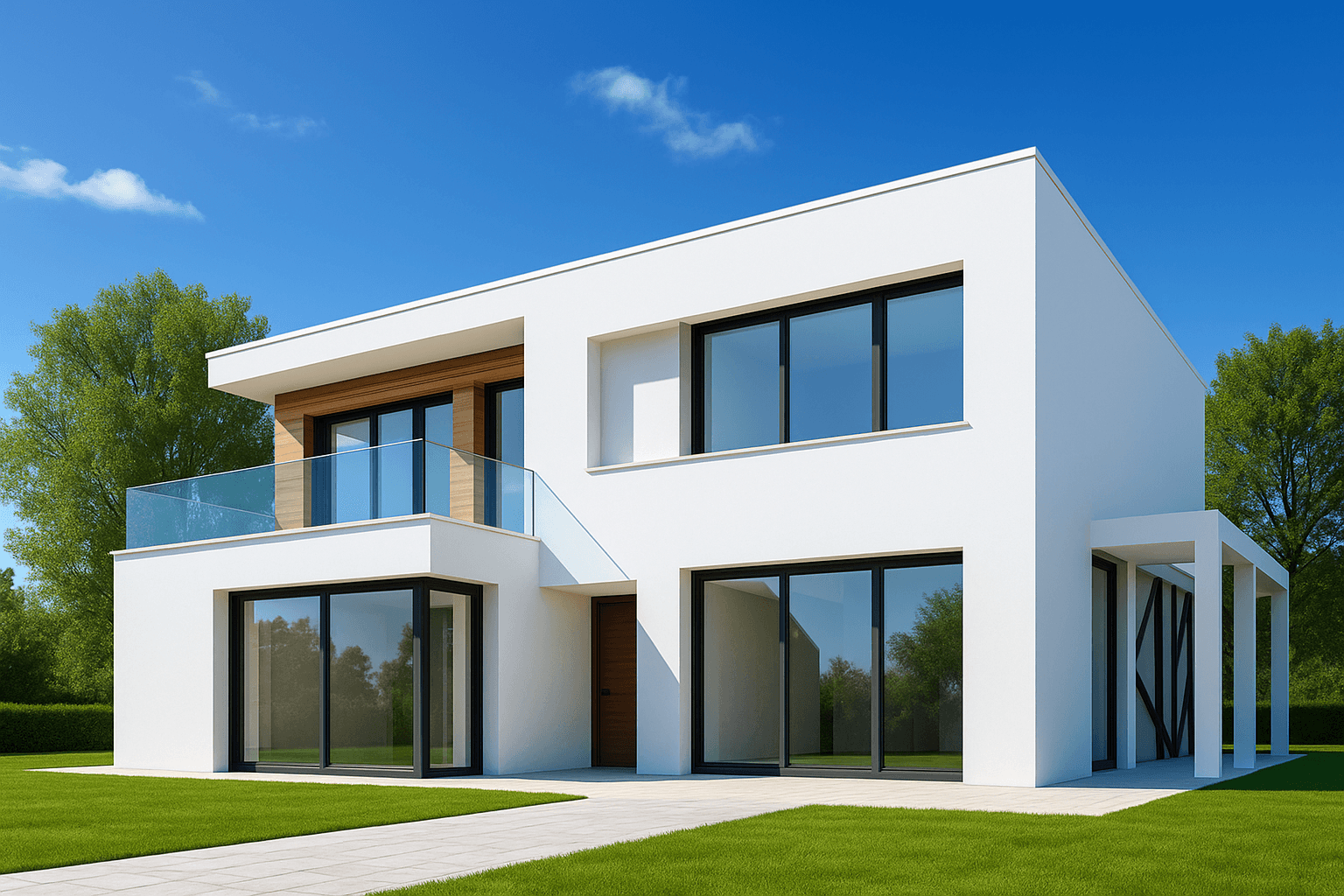
Steel homes can be stylish and modern. Designers use creative techniques to make them beautiful.
- Customizable exteriors for unique looks
- Various finishes to match preferences
- Flexible designs for diverse styles
Noise Concerns
People worry steel homes are noisy. They think sounds will echo inside the house.
With proper design, steel homes can be quiet. Soundproofing materials make them as peaceful as any other house.
- Soundproofing reduces noise levels
- Quality windows block outside sounds
- Insulated walls prevent echoes
Tips For Budgeting Steel Home Projects
Building a steel home can be a cost-effective choice. With proper planning, you can manage your budget well. Here are some tips to help you stay on track.
Selecting Cost-effective Materials
Choosing the right materials is crucial for staying within budget. Steel is durable and often cheaper than traditional materials.
- Look for recycled steel options
- Compare prices from different suppliers
- Consider long-term savings with energy-efficient materials
Hiring Experienced Contractors
Experienced contractors can help you save money. They know how to avoid costly mistakes and complete projects efficiently.
Planning For Hidden Costs
Hidden costs can surprise you. Plan for them to prevent budget issues later. These costs might include permits, site preparation, and utility connections.
| Item | Potential Cost |
| Building Permits | $500 - $1,500 |
| Site Preparation | $2,000 - $5,000 |
| Utility Connections | $1,000 - $3,000 |

Credit: www.buildingsguide.com
Frequently Asked Questions
Are Steel Homes More Affordable Than Traditional Homes?
Steel homes often cost less due to faster construction and lower labor expenses. Material costs vary, but steel’s durability can reduce long-term maintenance costs.
How Does Steel Framing Affect Building Costs?
Steel framing is prefabricated, reducing waste and on-site labor. This efficiency often lowers overall construction time and expenses compared to wood framing.
Do Steel Homes Save Money On Energy Bills?
Yes, steel homes with proper insulation can be energy efficient. Steel frames do not warp or crack, maintaining airtight seals longer and reducing heating and cooling costs.
What Factors Impact The Cost Of Building Steel Homes?
Material prices, design complexity, location, and labor rates affect costs. Prefabrication and streamlined construction can offset higher material expenses for steel homes.
Conclusion
Steel homes often cost less to build than traditional houses. They save money on materials and labor. Steel frames are quick to assemble, cutting construction time. These homes resist pests and fire, lowering maintenance costs. Energy efficiency can reduce utility bills over time.
While upfront costs vary, steel homes offer long-term savings. Consider your budget and needs carefully. Steel homes provide a strong, affordable building option. Worth thinking about for your next project?