Are you wondering if your mobile home really needs roof vents? You might think that vents are just an extra feature, but they play a crucial role in keeping your home comfortable and safe.
Without proper ventilation, your roof can trap heat and moisture, which can lead to costly damage over time. You’ll discover why roof vents matter, how they protect your home, and what happens if you skip them. Keep reading to find out how a simple vent could save you big headaches down the road.
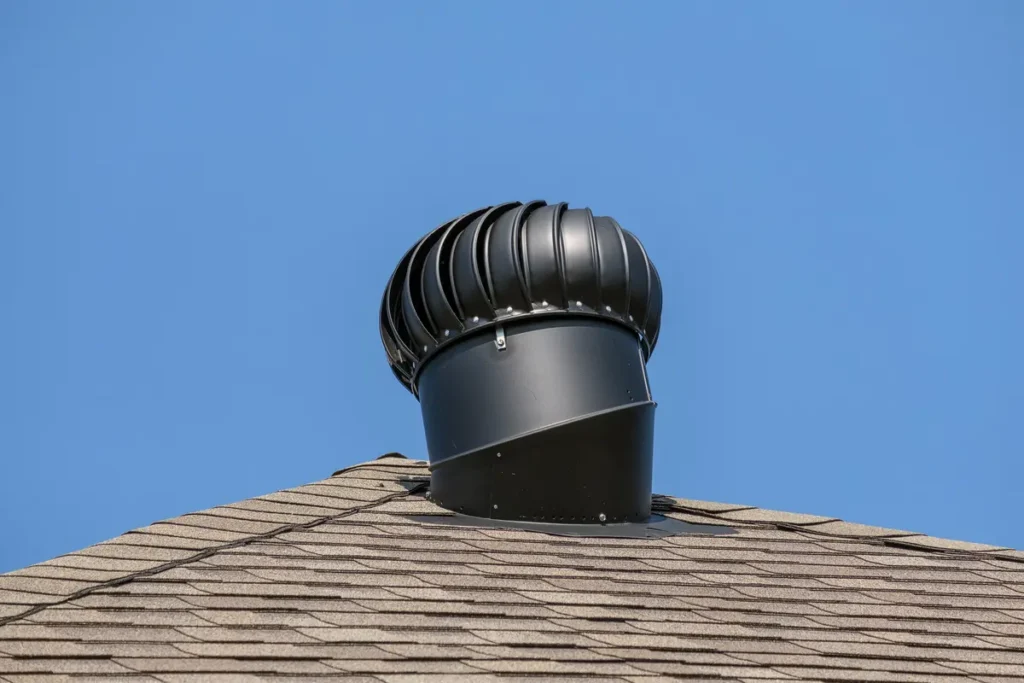
Credit: odonnellroofingco.com
Purpose Of Roof Vents
Roof vents help keep your mobile home safe and comfortable. They allow hot air and moisture to escape from the attic space.
Without roof vents, heat and moisture can build up. This can cause damage to the roof and lower the home's energy efficiency.
Ventilation Basics
Ventilation means moving air in and out of the attic or roof area. Roof vents are a key part of this process. They help air flow naturally.
- Allow hot air to escape during summer
- Prevent moisture buildup that can cause mold
- Help keep roof materials in good condition
- Lower cooling costs by reducing attic heat
Airflow Importance
Good airflow stops heat and moisture from staying trapped inside. It keeps your mobile home dry and cool. This helps protect the roof and the home's structure.
| Benefit | Why It Matters |
| Heat Reduction | Prevents roof damage and lowers cooling bills |
| Moisture Control | Stops mold growth and wood rot |
| Air Quality | Keeps indoor air fresher and healthier |
| Roof Longevity | Extends the life of roofing materials |

Credit: www.reddit.com
Types Of Roof Vents For Mobile Homes
Roof vents help keep a mobile home cool and dry. They allow hot air and moisture to leave the roof space.
Different roof vents work best for different needs. Here are common types used on mobile homes.
Ridge Vents
Ridge vents run along the top ridge of the roof. They let hot air escape from the attic space.
These vents are hidden under the roofline and work without fans. They need soffit vents to bring in fresh air.
Soffit Vents
Soffit vents are located under the roof eaves. They allow fresh air to enter the attic space.
These vents work with ridge vents to create air flow. This helps remove heat and moisture from the roof.
Gable Vents
Gable vents are placed on the side walls near the roof peak. They let air flow in and out of the attic.
These vents help cool the attic but need good placement. They work best with open attic spaces.
Powered Vents
Powered vents use electricity to move hot air out quickly. They have fans that turn on when it gets hot.
These vents can cool the attic faster than passive vents. They use more energy but help reduce heat build-up.
Benefits Of Roof Vents
Roof vents help keep mobile homes comfortable and safe. They allow air to flow through the roof space.
This airflow brings many benefits that protect the home and save energy. Let's explore these benefits.
Moisture Control
Roof vents let moist air escape from the attic or roof space. This stops moisture from building up inside.
Without vents, moisture can cause mold and rot. This can damage the roof and walls over time.
- Prevents mold growth
- Stops wood rot
- Reduces damage to insulation
Temperature Regulation
Roof vents help keep the roof space cooler in summer. Hot air can escape through the vents.
In winter, vents reduce cold air buildup and help keep the roof dry. This keeps the home comfortable year-round.
- Releases hot air in summer
- Reduces cold air in winter
- Keeps roof space dry
Energy Efficiency
By letting hot air out, roof vents reduce the need for air conditioning. This lowers energy bills.
Better airflow means your heating and cooling systems work less. This saves money and energy.
- Reduces cooling costs
- Lowers heating expenses
- Helps HVAC systems run efficiently
Extending Roof Life
Roof vents stop heat and moisture from damaging roofing materials. This helps the roof last longer.
Vents prevent warping, cracking, and rust. This lowers the chance of costly repairs or early roof replacement.
- Prevents material damage
- Stops warping and cracking
- Reduces rust and decay
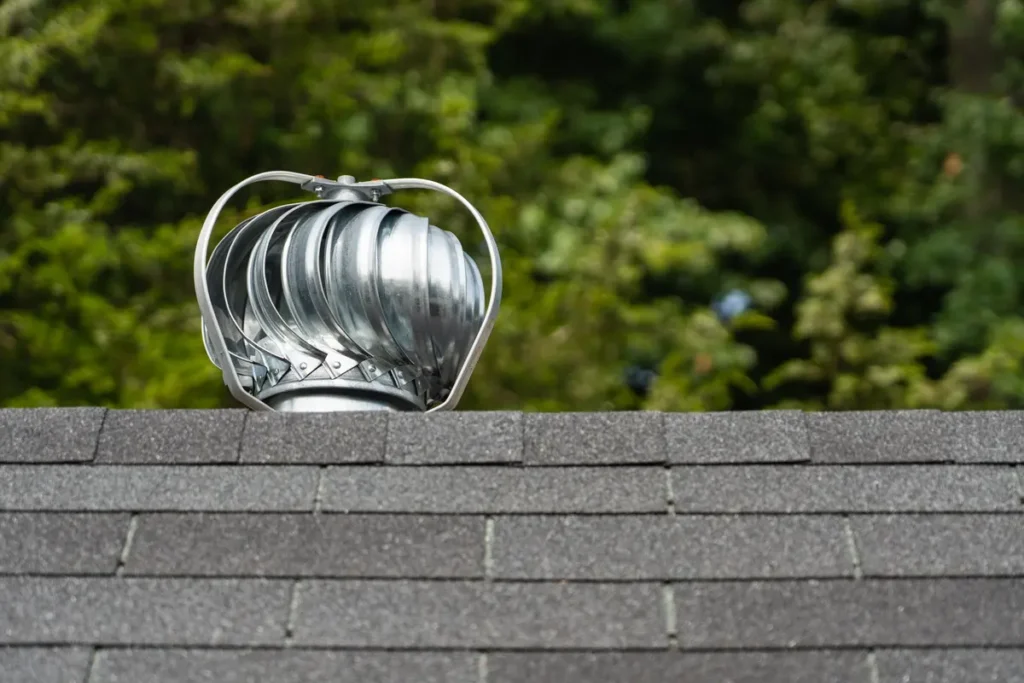
Credit: odonnellroofingco.com
Risks Of No Roof Ventilation
Roof vents are important for mobile homes. Without them, many problems can happen inside your home.
Proper ventilation helps keep the roof and attic dry. It also controls temperature and air quality.
Mold And Mildew Growth
Without roof vents, moisture builds up in the attic and roof area. This creates a perfect place for mold and mildew.
Mold can cause health problems and damage walls, ceilings, and insulation in your mobile home.
- Traps moisture inside your home
- Causes bad smells and stains
- Can lead to allergies and breathing issues
Structural Damage
Moisture buildup weakens wood and roofing materials. This may cause parts of your roof to rot or warp.
Over time, the damage can become costly to fix and make your home unsafe.
- Wood rot weakens roof support
- Metal parts may rust or corrode
- Leaks can form and cause water damage
Increased Energy Bills
Without vents, hot air stays trapped in your mobile home during summer. This forces your air conditioner to work harder.
In winter, moisture can reduce insulation efficiency, causing heating systems to use more energy.
- Traps heat in summer, raising cooling costs
- Reduces insulation value in winter
- Leads to higher electricity bills
Installation Considerations
Roof vents help keep your mobile home dry and cool. Installing them needs careful planning. This guide covers key points to think about before installation.
Good installation protects your home from moisture and reduces energy costs. Choose the right vent type and place it well.
Professional Vs Diy
Hiring a professional ensures vents fit correctly and work well. Pros know how to avoid leaks and damage. They use the right tools and materials.
DIY installation can save money but needs careful work. Mistakes can cause leaks or poor airflow. Only try if you have some roofing experience.
- Professional: better fit, less risk of damage
- DIY: saves money, needs skill and care
- Check local rules for permit needs
- Use proper sealants and flashing
Placement Tips
Place vents where air can flow freely. Avoid spots blocked by furniture or walls inside. Proper placement helps remove hot air and moisture.
Usually, vents go near the roof peak. This spot lets hot air escape easily. Also, add intake vents lower on the roof or walls for good airflow.
- Install vents near the roof peak
- Keep vents clear of obstructions inside
- Add intake vents for fresh air
- Space vents evenly for best airflow
Maintenance Needs
Check vents regularly for damage or blockages. Clean leaves and dirt from vents to keep air flowing. Damaged vents can cause leaks or mold.
Replace worn sealants and flashing to prevent water entry. Keep an eye on attic moisture and fix problems fast. Proper care extends vent life and protects your home.
- Inspect vents every 6 months
- Clear debris from vent openings
- Fix sealants and flashing if cracked
- Watch for signs of moisture inside
Common Myths About Roof Vents
Many people believe roof vents are not necessary for mobile homes. These beliefs are often based on myths and misunderstandings.
Understanding the role of roof vents can help you make informed decisions about your mobile home. Let's explore some common myths.
Vents Cause Leaks
Some think roof vents cause leaks in mobile homes. This is not true if vents are installed correctly.
Proper installation ensures that vents do not let water in. Regular maintenance helps keep vents in good condition.
- Check seals around vents regularly
- Ensure proper flashing is used
- Inspect after storms or heavy rain
Vents Are Unnecessary In Mild Climates
Another myth is that vents are not needed in mild climates. Ventilation is important regardless of climate.
Vents help control moisture and temperature inside the home. This prevents mold and keeps the air fresh.
- Reduces indoor humidity
- Prevents mold growth
- Maintains indoor air quality
Frequently Asked Questions
Are Roof Vents Necessary For Mobile Homes?
Yes, roof vents are essential for mobile homes. They help regulate temperature and prevent moisture buildup, reducing mold and structural damage risks.
How Do Roof Vents Improve Mobile Home Ventilation?
Roof vents allow hot air and moisture to escape. This improves airflow, reduces heat buildup, and maintains a comfortable indoor environment in mobile homes.
What Problems Arise Without Roof Vents On Mobile Homes?
Without roof vents, moisture accumulates, causing mold and wood rot. Excess heat can damage roofing materials and increase cooling costs significantly.
Can Roof Vents Reduce Energy Bills In Mobile Homes?
Yes, roof vents help lower energy bills by improving airflow. They reduce the need for air conditioning during hot weather, saving energy and money.
Conclusion
Roof vents help keep your mobile home dry and cool. They stop moisture from building up inside the roof. This prevents mold and damage. Good airflow also lowers energy bills by reducing heat. Choosing the right vent protects your home and improves comfort.
Small investment, big benefits. Consider adding roof vents for a healthier, safer living space. Don’t let poor ventilation cause problems later. Take action now to keep your mobile home in great shape.