Are you worried about how much it will cost to keep your mobile home comfortable all year round? Heating and cooling can take up a big chunk of your budget, and it’s natural to wonder if mobile homes are more expensive to manage than traditional houses.
You might be surprised to learn what really drives those energy bills and how you can take control. Keep reading, because understanding the true costs could save you money and stress in the long run.

Credit: www.homes.com
Heating And Cooling Costs In Mobile Homes
Mobile homes can have different heating and cooling costs than regular houses. These costs depend on many things.
Understanding these costs helps you manage your energy bills better throughout the year.
Factors Affecting Energy Bills
Several factors change how much you pay to heat and cool a mobile home. The size of the home matters.
Older mobile homes often lose more heat or cold air because of poor insulation. The weather in your area also plays a role.
- Home size and layout
- Insulation quality
- Local climate and weather
- Window type and placement
- Heating and cooling system efficiency
Comparison With Traditional Homes
Mobile homes often cost less to heat and cool than larger traditional houses. They are usually smaller in size.
However, some mobile homes lose heat faster if they lack good insulation. Traditional homes often have better materials that keep air in or out.
- Mobile homes are smaller and can be cheaper to heat/cool
- Traditional homes usually have better insulation
- Older mobile homes may have higher energy bills
- Newer mobile homes can be energy efficient
Common Heating And Cooling Systems
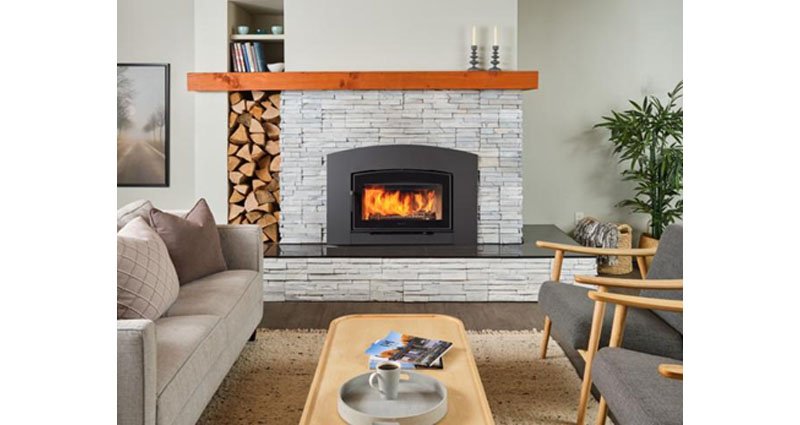
Mobile homes use several types of heating and cooling systems. Some are more efficient than others.
Popular options include electric heat pumps, furnaces, and window air conditioners. The choice affects your energy bills.
- Electric heat pumps: good for moderate climates
- Furnaces: often use propane, gas, or electricity
- Window air conditioners: affordable for cooling small spaces
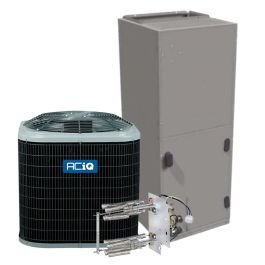
- Central HVAC: common in newer mobile homes
Insulation And Weatherproofing
Heating and cooling a mobile home can cost more without proper insulation. Weatherproofing helps keep the air inside stable. These steps make your home more comfortable and save energy.
Good insulation and sealing stop cold or hot air from entering your home. This reduces the work your heating and cooling systems must do.
Importance Of Proper Insulation
Insulation slows heat movement through walls and ceilings. Mobile homes often have less insulation than regular houses. Adding or upgrading insulation lowers energy bills.
- Use insulation with the right R-value for your area.
- Focus on floors, walls, and ceilings for full coverage.
- Check for damaged or missing insulation and replace it.
- Consider spray foam or rigid foam boards for better sealing.
Sealing Air Leaks
Air leaks let outside air enter and inside air escape. This makes your heating and cooling systems work harder. Sealing leaks improves comfort and lowers costs.
| Common Leak Areas | Sealing Methods |
| Around windows and doors | Weatherstripping, caulking |
| Wall and floor joints | Spray foam, caulk |
| Vents and ducts | Foam sealant, metal tape |
| Skirting and foundation gaps | Rigid foam boards, caulk |
Window And Door Upgrades
Old windows and doors lose heat easily. Upgrading them helps keep your home warm or cool. Choose energy-efficient styles to cut costs.
- Install double-pane or triple-pane windows.
- Use low-emissivity (Low-E) glass to reduce heat transfer.
- Replace worn weatherstripping on doors and windows.
- Choose doors with insulated cores.
Energy-efficient Heating And Cooling Options
Mobile homes can use a lot of energy for heating and cooling. Choosing efficient options helps save money and keeps your home comfortable.
There are several tools and systems designed to lower energy use. These include heat pumps, programmable thermostats, and portable heaters and fans.
Heat Pumps
Heat pumps move heat instead of creating it. They work well in many climates and use less electricity than traditional heaters.
They can cool your home in summer and heat it in winter. This dual function makes them a good choice for mobile homes.
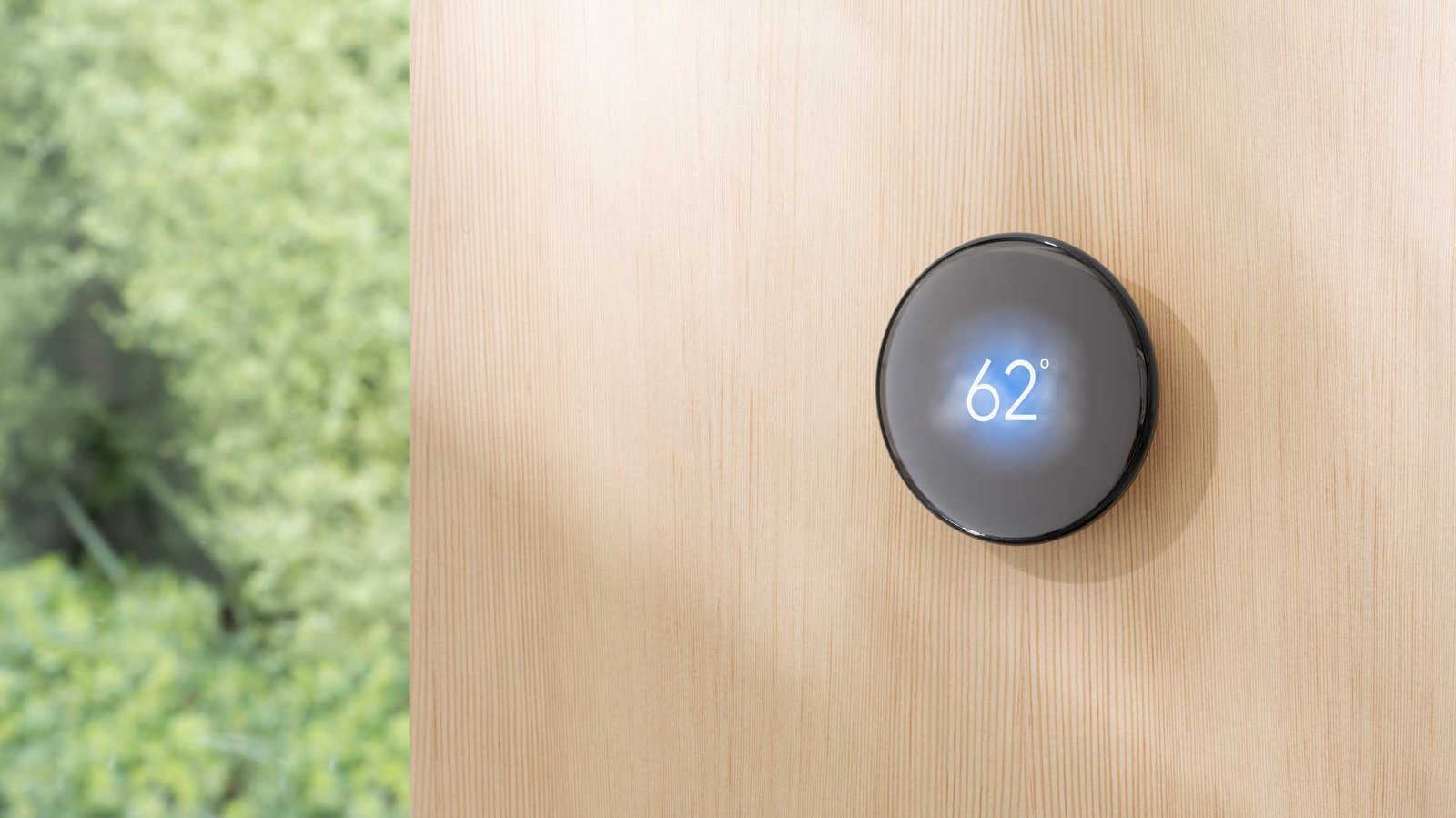
Programmable Thermostats
Programmable thermostats let you set temperatures for different times of the day. This stops heating or cooling when you do not need it.
- Set lower heat at night and higher during the day
- Lower cooling when no one is home
- Save energy by avoiding constant temperature changes
Portable Heaters And Fans
Portable heaters and fans can focus on heating or cooling one room at a time. This way, you use less energy than running a full system.
| Device | Best Use | Energy Tip |
| Portable Heater | Heating small spaces | Use only when needed |
| Fan | Cooling occupied rooms | Turn off when leaving |
Affordable Tips To Lower Energy Costs
Mobile homes can be costly to heat and cool if you do not manage energy use well.
Simple changes and regular care help save money and keep your home comfortable.
Routine Maintenance
Keep your heating and cooling systems clean and checked often. Replace filters every month or two. Fix leaks in ducts and seals to stop loss of warm or cool air.
- Clean or replace air filters regularly
- Seal gaps and cracks around windows and doors
- Check and clean vents and ducts
- Service your HVAC system yearly
Smart Temperature Settings
Set your thermostat to save energy without losing comfort. Use a programmable thermostat to adjust temperature when you are away or asleep.
| Season | Recommended Temperature |
| Winter | 68°F (20°C) when home, 60-62°F (15-17°C) at night or away |
| Summer | 78°F (26°C) when home, higher when away |
Using Curtains And Shades
Use curtains and shades to control heat from the sun and keep cold air out. Open them during the day in winter to warm your home. Close them in summer to block heat.
- Use thick curtains or thermal shades in winter
- Install reflective blinds or light-colored curtains in summer
- Keep curtains closed at night to reduce heat loss
- Use window treatments on all windows for best results
Alternative Energy Solutions
Mobile homes can be costly to heat and cool due to their size and insulation. Using alternative energy options can lower these costs. These solutions help save money and protect the environment.
This guide covers three main alternatives: solar panels, energy-efficient appliances, and government incentives. Each can help reduce energy use and expenses in mobile homes.
Solar Panels For Mobile Homes
Solar panels capture sunlight and turn it into electricity. They can power heating and cooling systems in mobile homes. This reduces reliance on traditional energy sources.
- Solar panels lower electricity bills.
- They are easy to install on mobile home roofs.
- Solar energy is clean and renewable.
- Panels require little maintenance after installation.
Energy-efficient Appliances
Energy-efficient appliances use less power to work well. Heating and cooling units with high energy ratings save money over time. These appliances help keep mobile homes comfortable without high costs.
| Appliance | Energy Star Rating | Benefit |
| Heat Pump | Yes | Heats and cools using less energy |
| Programmable Thermostat | No | Controls temperature efficiently |
| Ceiling Fan | No | Improves air flow, lowers cooling need |
| Energy-Efficient Furnace | Yes | Uses less fuel for heating |
Government Incentives And Rebates
Governments offer money back for using green energy. These incentives lower the upfront cost of solar panels and appliances. Check local programs to find available rebates.
- Tax credits for solar panel installation
- Cash rebates for energy-efficient appliances
- Discounted energy audits for mobile homes
- Low-interest loans for home energy upgrades

Credit: www.youtube.com

Credit: coloradosun.com
Frequently Asked Questions
Are Mobile Homes More Expensive To Heat Than Traditional Homes?
Mobile homes can cost more to heat due to thinner insulation and less efficient windows. Proper upgrades can reduce heating expenses significantly.
How Can I Reduce Cooling Costs In A Mobile Home?
Use energy-efficient window treatments, install ceiling fans, and improve insulation. Regular HVAC maintenance also helps lower cooling expenses.
Does Insulation Quality Impact Mobile Home Energy Bills?
Yes, better insulation reduces heat loss and gain. Upgrading insulation lowers both heating and cooling costs in mobile homes.
Are Energy-efficient Hvac Systems Cost-effective For Mobile Homes?
Energy-efficient HVAC units consume less power and maintain temperature better. They save money on utility bills over time despite higher upfront costs.
Conclusion
Mobile homes can cost more to heat and cool than regular houses. Thin walls and less insulation cause energy to escape. Still, using good insulation helps keep your bills low. Sealing cracks and using energy-efficient systems also save money. Smart habits like setting thermostats wisely make a difference.
Understanding these factors helps you manage costs better. Heating and cooling expenses vary by location and season. Small changes can lead to big savings over time. Heating and cooling mobile homes need attention but remain affordable.