Have you ever stopped to wonder whether the electricity powering your home is DC or AC? Knowing the difference can change how you see your daily energy use.
It’s not just about technical terms—understanding this can help you make smarter choices for your home, save money, and even improve safety. Keep reading, and you’ll discover what really powers your life and why it matters to you.

Credit: www.tongou.com
Dc And Ac Power Basics
Electricity powers our homes in two main ways: direct current (DC) and alternating current (AC). Both types move electric charge but in different ways. Understanding the basics helps to know how electricity works in daily life.
This guide explains how DC and AC power work and where you find them in your home.
How Dc Power Works
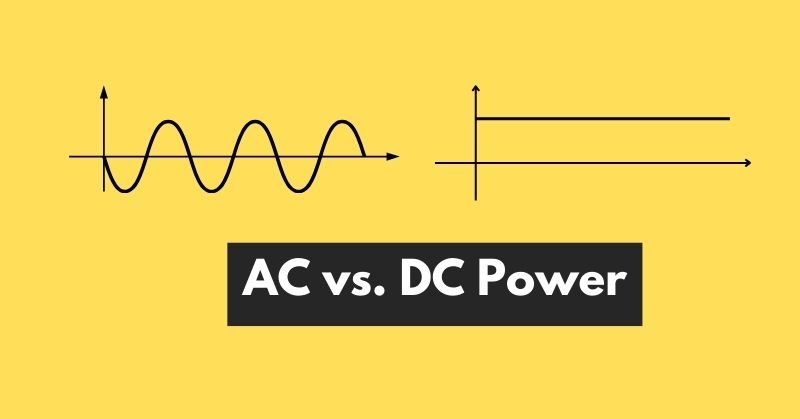
Direct current (DC) flows in one direction. The electric charge moves steadily from the negative side to the positive side. This flow does not change direction or strength.
DC power is simple and steady. It is easy to store in batteries because it keeps a constant flow of energy.
- Electric charge flows one way only
- Voltage stays constant
- Common in batteries and solar panels
How Ac Power Works
Alternating current (AC) changes direction many times each second. The electric charge moves back and forth rapidly. This switching happens so fast that it powers devices smoothly.
The voltage in AC power also rises and falls in a wave pattern. This type of power is easy to send over long distances.
- Electric charge reverses direction regularly
- Voltage varies in a wave form
- Used for home and business electricity
Common Uses In Homes
Most homes use AC power to run lights, TVs, and appliances. It comes from power companies through wires into your house.
Some devices use DC power inside the home. Electronics like phones and laptops convert AC to DC to work properly. Batteries also store and provide DC power for small devices.
- AC powers large appliances and lighting
- DC powers battery-operated devices
- Electronics use adapters to change AC to DC

Credit: www.premium-electric.ca
Energy Efficiency Comparison
Energy efficiency is important for homes using DC or AC power. Understanding energy losses helps choose the better system.
This guide explains how energy loss happens in AC and DC systems. It also shows the impact on household appliances.
Energy Losses In Ac Systems
AC systems lose energy mainly through resistance and heat. This happens in wires and transformers.
- Resistance in wires causes heat loss.
- Transformers waste energy when converting voltages.
- AC motors have losses due to magnetic fields.
- Power factor issues reduce efficiency.
Energy Losses In Dc Systems
DC systems lose energy mostly in wiring and conversion devices. Losses are often lower than AC.
| Loss Type | AC System | DC System |
| Wiring Resistance | High | Lower |
| Voltage Conversion | Transformer Losses | Converter Losses |
| Motor Losses | Magnetic and Heat | Generally Lower |
Impact On Household Appliances
Appliances react differently to AC and DC power. Some run better on one type than the other.
- AC appliances are common and designed for AC power.
- DC appliances can be more efficient and quieter.
- Using DC reduces the need for adapters in some devices.
- Some motors in appliances perform better with DC.
Home Wiring And Power Delivery
Homes use electricity to power lights, appliances, and devices. The way electricity flows in a home depends on the wiring type.
Most homes use either alternating current (AC) or direct current (DC) wiring. Understanding these helps in safe and efficient power delivery.
Ac Wiring Standards
AC wiring is the standard in most homes worldwide. It uses wires that carry current that changes direction many times per second.
AC wiring follows strict rules to ensure safety and reliability. These rules cover wire size, color codes, and connections.
- Live wire carries current to devices
- Neutral wire completes the circuit
- Ground wire protects from electric shocks
- Standard colors: black/red for live, white for neutral, green/bare for ground
Dc Wiring Challenges
DC wiring sends current in one direction only. It is common in batteries and solar panels but less in homes.
Using DC in homes brings challenges like voltage drops and harder fault detection. Special care is needed for wiring and devices.
- DC can cause more heat in wires
- Requires thicker wires for long distances
- Polarity must be correct to avoid damage
- Devices need to be designed for DC power
Safety Considerations
Safety is key in home wiring. Wrong wiring can cause shocks, fires, or damage to devices.
Homes use circuit breakers, fuses, and grounding to protect people and property from electrical hazards.
- Use proper wire size to handle current
- Always ground electrical systems
- Install circuit breakers to stop overloads
- Check wiring regularly for wear or damage
Renewable Energy Integration
Homes use both DC and AC electricity depending on the source. Renewable energy systems bring new ways to use these types. Understanding DC and AC helps in using solar and wind power at home.
Integrating renewable energy means matching the power type with home needs. This makes energy use more efficient and saves money.
Solar Power And Dc
Solar panels create direct current (DC) electricity from sunlight. Homes use alternating current (AC), so solar power must change from DC to AC.
Inverters convert DC from solar panels into AC for home use. Some devices use DC directly, which can reduce energy loss.
- Solar panels produce DC electricity
- Inverters change DC to AC for home use
- DC use can be more efficient for some devices
Wind Power And Ac
Most wind turbines generate alternating current (AC) power. This matches the type of electricity used in homes and the grid.
Some wind systems use DC, but they often convert it to AC for compatibility. AC power flows easily through home wiring.
- Wind turbines usually produce AC power
- AC suits home wiring and the electric grid
- Conversion from DC to AC is common in some systems
Battery Storage Compatibility
Batteries store energy as direct current (DC). They save solar or wind power for later use. Homes need inverters to use stored DC as AC.
Some modern systems use DC appliances and wiring to lower energy loss. This makes battery use more efficient.
- Batteries store energy in DC form
- Inverters convert stored DC to AC for home use
- DC appliances reduce energy conversion loss
Cost And Installation Factors
Choosing between DC and AC homes affects your budget and setup. Each type has unique cost and installation needs.
Understanding these factors helps you plan better and avoid surprises during installation and use.
Initial Setup Costs
DC homes often require special wiring and components that may cost more upfront. AC homes use standard wiring and appliances.
- DC systems may need solar panels or batteries.
- AC systems connect directly to the power grid.
- Installation labor costs vary by system complexity.
- Permits and inspections add to initial costs.
Maintenance Expenses
DC systems can need regular battery checks and replacements. AC systems require less frequent maintenance but can have higher repair costs.
| Type | Typical Maintenance | Cost Range |
| DC Homes | Battery checks, wiring inspection | Medium to High |
| AC Homes | Appliance servicing, wiring repair | Low to Medium |
Long-term Savings
DC homes can save money with efficient energy use and solar power. AC homes have stable costs but less chance to save on energy bills.
- DC homes reduce electricity bills with solar and batteries.
- AC homes depend on grid prices, which may rise.
- Investing in DC can pay off over time.
- Maintenance costs affect long-term savings.
Future Trends In Home Power
Home energy systems are changing fast. People want more efficient and sustainable power solutions. New technologies are emerging to meet these needs.
Understanding future power trends can help homeowners make smart energy choices. Let's explore these trends in detail.
Smart Grid Technologies
Smart grids connect homes to advanced energy networks. They allow for better energy management and distribution. Homeowners can track and optimize their energy use.
- Real-time energy monitoring
- Automated demand response
- Improved energy reliability
Increasing Dc Usage
Direct current (DC) power is becoming more common in homes. Many modern devices run on DC, including solar panels and batteries. This trend reduces energy conversion losses.
| Device | Power Type |
| LED Lights | DC |
| Solar Panels | DC |
| Electric Cars | DC |
Hybrid Power Systems
Hybrid systems combine different energy sources. They offer flexibility and stability. Homes can use both renewable and traditional power with these systems.

Credit: www.anzer-usa.com
Frequently Asked Questions
Are Homes Wired For Dc Or Ac Power?
Homes are wired for AC power. Alternating current (AC) is efficient for long-distance transmission. Most appliances use AC power.
Why Do Homes Use Ac Instead Of Dc Electricity?
AC is easier to transform to different voltages. It reduces energy loss during transmission. This makes AC cost-effective for homes.
Can Homes Run On Dc Power Instead Of Ac?
Homes typically run on AC power. DC power is used in specific devices but not for whole-house wiring. AC suits household needs better.
What Are The Advantages Of Ac Power In Homes?
AC power allows voltage changes via transformers. It supports efficient energy transmission and distribution. This improves safety and appliance compatibility.
Conclusion
Homes usually use AC power for everyday needs. AC works well for most appliances and lighting. DC power is common in batteries and solar panels. Some new homes may combine both systems. Choosing the right type depends on your setup.
Understanding these basics helps you make smart decisions. Power types matter for safety and efficiency. Keep these points in mind for your home energy needs. Simple knowledge leads to better choices. Energy use becomes clearer with this understanding.