Have you ever stopped to wonder whether the electricity powering your home is AC or DC? Understanding this simple fact can help you make smarter choices about your appliances, energy use, and even safety.
You might be surprised to learn how this affects your daily life and the devices you rely on every day. Keep reading to uncover the answer and discover why it matters to you and your home.
Ac Vs Dc Power
Electric power comes in two main types: alternating current (AC) and direct current (DC). Both types move electric charge, but they do it differently. Understanding these helps explain how homes get power.
Most homes use one type of power for appliances and lighting. Knowing the basics of AC and DC power clarifies why this is so.
Basics Of Alternating Current
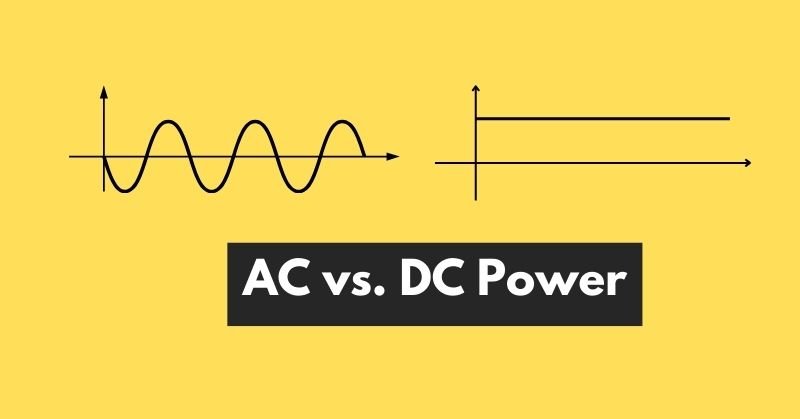
Alternating current (AC) changes direction many times every second. This means the electric charge flows back and forth. The speed of this change is called frequency and is measured in hertz (Hz).
AC power is used in homes because it travels long distances easily. It also works well with transformers to change voltage levels.
Basics Of Direct Current
Direct current (DC) flows in one direction only. The electric charge moves steadily from the negative to the positive side. Batteries and solar panels produce DC power.
- DC power is simple and constant.
- It is used in small devices like phones and laptops.
- DC does not work well over long distances without loss.
Key Differences Between Ac And Dc
| Feature | Alternating Current (AC) | Direct Current (DC) |
| Direction of Flow | Changes periodically | Flows one way |
| Source | Power plants, generators | Batteries, solar cells |
| Use in Homes | Main supply for outlets | Used in electronics |
| Voltage Change | Easy with transformers | Difficult to change |
| Distance Travel | Efficient over long distances | Lossy over long distances |

Credit: www.anzer-usa.com
Power Sources For Homes
Homes use electricity to run lights, appliances, and devices. This power can come as AC or DC. Most houses get AC power from the electric company.
Understanding where this power comes from helps explain why AC is common in homes. It also shows how electricity moves safely and efficiently.
How Electricity Reaches Your Home
Electricity starts at power plants and travels through wires to reach your home. It moves over long distances using high voltage lines. These lines carry AC power because it travels easily.
Once electricity arrives near your home, it goes through smaller wires. These wires deliver the power safely to your outlets and devices.
Role Of Power Plants And Grids
Power plants create electricity by using fuel, water, or wind. They turn this energy into AC power. The electricity joins a large network called the grid.
The grid connects many power plants and homes. It helps balance electricity supply and demand. This system keeps power flowing even if one part stops working.
- Power plants generate AC electricity
- The grid links power plants and homes
- Electricity flows through the grid to reach homes
Transformers And Voltage Conversion
Transformers change the voltage of electricity. High voltage is used for long-distance travel. Low voltage is safer for homes.
Electricity passes through transformers near your home. These devices lower the voltage before it enters your house. This makes the power safe to use.
- High voltage travels long distances
- Transformers reduce voltage near homes
- Lower voltage is safe for home use
Why Ac Is Used In Homes
Electric power comes in two types: alternating current (AC) and direct current (DC). Most homes use AC power. This is because AC has many advantages for everyday use.
Understanding why AC is used in homes helps us see how electricity works safely and efficiently.
Efficiency In Long-distance Transmission
AC power can travel long distances with less energy loss. It is easy to change AC voltage using transformers. This helps send electricity far from power plants to homes.
High voltage means less energy lost as heat in wires. AC power allows this change in voltage quickly and safely.
Safety And Practicality
AC power is safer to use in homes because devices can easily switch it off and on. Circuit breakers work well with AC to protect homes from electrical faults.
AC also reduces the risk of electric shocks. This is because AC voltage crosses zero many times each second, making it less harmful than DC in many cases.
Compatibility With Household Appliances
Most household devices are made to run on AC power. Lights, fans, and refrigerators all use AC motors or circuits.
Using AC means appliances are simpler and cheaper. Many devices can also convert AC to DC inside for their parts that need DC power.

Credit: www.jackery.com
Dc Power In Residential Use
Direct current (DC) power is common in homes using batteries and solar panels. It offers a simple way to store and use energy efficiently. Many devices in homes work well with DC power.
Using DC power in homes can reduce energy loss. It also supports new ways to manage electricity. This makes DC power a good choice for some residential needs.
Batteries And Solar Panels
Batteries store DC power for use when the sun is not shining. Solar panels produce DC electricity directly from sunlight. This combination makes DC power practical for homes.
- Solar panels create clean energy without noise.
- Batteries save power for nighttime use.
- Systems can work off-grid or with the main grid.
- Maintenance is low and costs are dropping.
Dc-powered Devices
Many home devices use DC power or can adapt to it. LED lights, laptops, and some small appliances work well with DC. Using DC means fewer converters and less energy loss.
| Device | Power Type | Typical Use |
| LED Lighting | DC | Home and outdoor lights |
| Laptop | DC | Work and entertainment |
| Refrigerator | AC/DC | Food storage |
| Fans | DC | Cooling rooms |
Emerging Trends In Dc Home Power
New technology supports more DC power in homes. Smart systems control energy use and storage. This helps save money and reduce waste.
Key trends include:
- DC microgrids to link solar and batteries
- Energy-efficient DC appliances
- Wireless DC charging for devices
- Integration with electric vehicle charging
Converting Between Ac And Dc
Homes use both AC and DC power in different ways. Understanding how to convert between them is important.
This conversion helps run various devices and improves energy use.
Rectifiers And Inverters
Rectifiers change AC power into DC power. Inverters do the opposite by turning DC into AC power.
- Rectifiers use diodes to block one side of AC waves.
- Inverters use transistors to create AC from DC.
- Both help devices work with the right type of power.
Role In Modern Electronics
Many home electronics need DC power. Others use AC power from outlets.
| Device Type | Power Used |
| LED lights | DC |
| Refrigerators | AC |
| Computers | DC |
| Televisions | AC |
Impact On Energy Consumption
Converting power types wastes some energy. Efficient devices reduce this waste.
Ways to lower energy loss:
- Use high-quality rectifiers and inverters
- Choose devices designed for your home power type
- Regularly maintain electrical systems
Future Of Home Power Systems
Homes today mostly use AC power. But the future may look different. We might see big changes in how we get our electricity.
Technology is growing fast. It could lead to new ways of powering homes. Let's explore what this future could hold.
Smart Grids And Renewable Energy
Smart grids help manage electricity better. They use technology to control how power is delivered. This can save energy and money.
Renewable energy like solar and wind is more common now. These sources can work well with smart grids. They help create cleaner and more efficient power systems.
- Solar panels can supply power directly to homes
- Wind turbines add power during windy days
- Smart grids balance power needs automatically
Potential Shift To Dc Networks
Many devices use DC power. Phones and laptops are examples. A shift to DC networks in homes could make sense.
DC networks can reduce energy loss. They connect directly with renewable sources like solar panels. This could make homes more efficient.
- Less energy loss with DC power
- Direct connection to solar panels
- Better for devices using DC power
Benefits And Challenges Ahead
Switching to new power systems offers benefits. Homes can become more energy-efficient. This can save money on bills.
There are challenges too. Changing systems can cost a lot. People need to learn new ways of managing power at home.
- Lower bills with energy-efficient systems
- High costs to change existing systems
- Learning new ways to manage home power

Credit: www.premium-electric.ca
Frequently Asked Questions
Are Homes Powered By Ac Or Dc Electricity?
Homes are powered by AC (Alternating Current) electricity. AC is efficient for long-distance transmission and is standard for household wiring.
Why Does Ac Power Dominate Home Electricity?
AC power is easier to transform to different voltages. This flexibility reduces energy loss during distribution to homes.
Can Homes Run On Dc Power Instead Of Ac?
Most homes use AC, but some devices and solar systems use DC power. Full-home DC systems are rare and costly.
How Does Ac Power Benefit Household Appliances?
AC power allows appliances to work efficiently with motors and transformers. It supports a wide range of home electronics safely.
Conclusion
Homes use AC power because it is easier to transport and convert. AC allows electricity to travel long distances without much loss. Most household devices and appliances are built for AC power. DC power is common in batteries and small electronics.
Understanding this helps with choosing the right power source. The electrical system in homes stays reliable and safe with AC. Knowing this difference can help you make better energy choices. Simple facts, big impact on how we use electricity daily.