Have you ever stopped to wonder whether the electricity powering your home is AC or DC? It’s a question that might seem simple, but the answer affects everything from your appliances to your energy bills.
Understanding the difference can help you make smarter choices about your home’s power and even prepare you for future technology changes. Keep reading, because what you learn here could change how you think about the energy running through your walls.

Credit: www.premium-electric.ca
Power Types In Homes
Homes use electrical power to run lights, appliances, and devices. The two main types of power are AC and DC. Understanding these helps us know how electricity works in our houses.
Both AC and DC have different ways of moving electric current. Each type has its own uses and history in home power systems.
Ac Vs Dc Basics
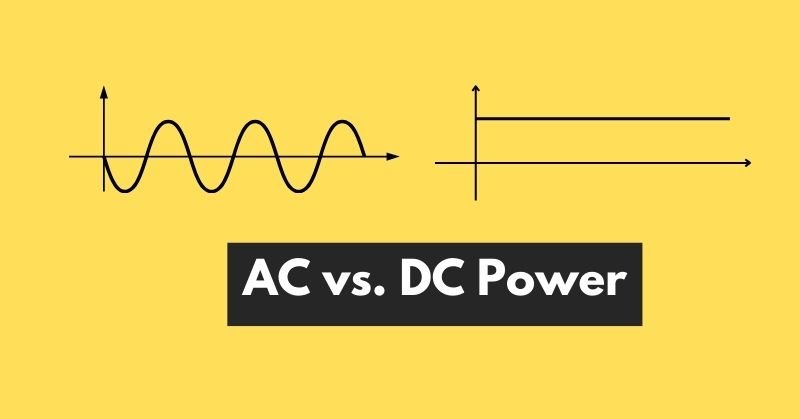
AC stands for alternating current. It means the electric flow changes direction many times per second. DC means direct current. It flows in one steady direction only.
AC is good for sending power over long distances. DC is used for batteries and small electronics. Both types move electrons, but in different ways.
- AC changes direction regularly
- DC flows in one direction
- AC is easy to transform to different voltages
- DC is stable and constant
Historical Use In Residential Power
Early homes used DC power from batteries or small generators. Thomas Edison supported DC systems. It worked well for short distances and simple devices.
Later, AC power became popular. Nikola Tesla and George Westinghouse promoted AC for its efficiency. AC could travel far without losing much energy.
- DC used in early lighting and motors
- AC introduced for long-distance power transmission
- Shift from DC to AC in early 1900s
- AC power grids spread worldwide
Why Ac Dominates Home Electricity
AC dominates home power because it is easy to change voltage levels. This helps send electricity safely over wires to homes. Transformers make this possible.
Most home devices work well with AC power. Power companies use AC because it is cheaper and simpler to manage. DC is now mainly for special uses like electronics and batteries.
- Voltage changes easily with AC transformers
- Less energy lost over long distances
- Simple and cost-effective infrastructure
- Compatibility with most home appliances
How Ac Powers Your Home
Alternating Current (AC) is the type of electricity that powers homes. It flows in two directions, changing direction many times each second. This helps deliver electricity efficiently over long distances.
Understanding how AC works can help you see why your home uses it and how the power reaches your appliances.
Role Of The Electrical Grid
The electrical grid is a network that carries AC power from power plants to homes. It connects many sources of electricity with many users. The grid keeps power flowing and balances supply with demand.
- Power plants generate AC electricity.
- Transmission lines carry high voltage AC over long distances.
- Distribution lines bring lower voltage AC to neighborhoods.
- Transformers adjust voltage to safe levels for homes.
Transformation And Distribution
Electricity leaves power plants at high voltage to reduce energy loss. Transformers near homes reduce this voltage to safe levels. Then, distribution lines bring the AC power to your home’s electrical panel.
| Step | Function | Voltage Level |
| 1 | Power Generation | Up to 25,000 volts |
| 2 | High Voltage Transmission | 100,000 to 765,000 volts |
| 3 | Distribution | 4,000 to 35,000 volts |
| 4 | Local Step-Down Transformer | 120 to 240 volts |
Common Ac Appliances
Most appliances in your home run on AC power. They are designed to work with the voltage and frequency of your local electrical system.
- Refrigerators keep food cold using AC motors.
- Lights use AC to power bulbs and LEDs.
- Televisions and computers convert AC to DC inside.
- Air conditioners use AC motors for cooling.
- Ovens and microwaves heat food with AC power.
Dc In Residential Settings
Many homes use alternating current (AC) for power. Direct current (DC) is also common in houses. DC powers devices that run on batteries or solar energy.
Understanding DC use helps homeowners manage energy better. It can reduce power loss and improve efficiency for some devices.
Battery-powered Devices
Battery-powered devices use DC because batteries store direct current. Common home items include flashlights, remote controls, and cordless tools.
- Smartphones and tablets
- Laptops and portable chargers
- Wireless speakers and headphones
- Electric shavers and toothbrushes
- Smoke detectors and alarm systems
Solar Power Systems
Solar panels produce DC power from sunlight. This power often goes to batteries or inverters in homes.
| Component | Function |
|---|---|
| Solar Panels | Generate DC electricity from sun |
| Charge Controller | Regulates power to batteries |
| Batteries | Store DC electricity for later use |
| Inverter | Converts DC to AC for home use |
Emerging Dc Applications
New home technologies use DC to improve energy use. LED lighting and electric vehicle chargers often run on DC power.
Examples of emerging DC uses in homes:
- LED lights with DC drivers
- DC-powered fans and pumps
- Electric vehicle charging stations
- Home automation systems using DC
Advantages Of Ac For Homes
Electricity in homes can be either AC or DC. Most homes use AC power for many good reasons. AC power works well for daily needs.
This article explains why AC is better for homes. We focus on efficiency, voltage changes, and safety.
Efficiency In Transmission
AC electricity travels long distances easily. It loses less power during transmission than DC.
Electric companies send AC power to homes because it saves energy and money.
- AC power can travel far without much loss
- Less energy waste means lower costs
- Good for large power grids
Voltage Transformation
AC voltage can change easily using transformers. This helps send power safely and use it well at home.
High voltage is good for transmission. Low voltage is safer for home use.
- Transformers change AC voltage up or down
- High voltage reduces energy loss on wires
- Low voltage is safe for home appliances
Safety Considerations
AC electricity is safer to handle than DC in homes. It causes less harm in electric shocks.
AC power can be switched off quickly. This helps protect people and devices.
- AC shocks cause muscles to relax faster
- Electric devices have better protection with AC
- Switching off AC power is easier and faster
Potential Shift Toward Dc
Many homes today use alternating current (AC) for electricity. AC has been standard for decades. Still, direct current (DC) is gaining attention for home power use.
DC power can work better with some new technologies. This may lead to more homes using DC in the future.
Rise Of Renewable Energy
Solar panels and wind turbines produce DC electricity. Homes with these systems need to convert DC to AC now. This conversion causes some energy loss.
Using DC directly can reduce energy loss. It helps make renewable energy systems more efficient and cost-effective.
- Solar panels produce DC power
- Current homes convert DC to AC
- Direct use of DC saves energy
Dc Microgrids
DC microgrids are small power networks that use direct current. They can connect solar panels, batteries, and home appliances.
Microgrids help homes manage energy better. They improve reliability and reduce electricity costs.
- Connect renewable sources and storage
- Supply power directly to DC devices
- Improve energy efficiency at home
Future Trends In Home Power
More homes may adopt DC power systems soon. This fits well with electric vehicles and smart home devices. Both often use DC power internally.
New appliances may work on DC to save energy. Building codes might change to allow DC wiring. This shift could make homes greener and cheaper to run.
- Electric cars use DC batteries
- Smart devices run on DC power
- Future homes may install DC wiring
- Energy savings and lower costs

Credit: www.anzer-usa.com

Credit: www.tongou.com
Frequently Asked Questions
Are Homes Powered By Ac Or Dc Electricity?
Homes are powered by AC (Alternating Current) electricity. AC is efficient for long-distance transmission and easy to transform to different voltages, making it ideal for residential use.
Why Is Ac Preferred Over Dc In Homes?
AC is preferred because it travels long distances with less energy loss. It also allows voltage changes using transformers, ensuring safe and efficient home power supply.
Can Homes Use Dc Power Instead Of Ac?
Homes typically do not use DC power directly. However, many devices convert AC to DC internally for operation, as DC powers electronics like laptops and smartphones.
How Does Ac Electricity Benefit Home Appliances?
AC electricity enables appliances to operate efficiently and safely. Most household devices are designed to run on standard AC voltage supplied by power grids.
Conclusion
Homes mostly use AC power for daily needs. AC travels easily through wires to reach houses. Devices inside convert AC to DC when needed. Knowing the difference helps understand how electricity works. Both AC and DC have important roles in homes.
Choosing the right type depends on the appliance. This simple knowledge can improve how you use power. Electricity keeps homes running smoothly every day.