Have you ever wondered if your home thermostat can be swapped out for any other model without a hitch? Choosing the right thermostat isn’t just about looks—it affects your comfort and energy bills every day.
But are all thermostats truly universal, or could a wrong choice cause bigger problems than you expect? Keep reading to discover the surprising facts that will help you make the best decision for your home and keep your heating and cooling running smoothly.
Types Of Home Thermostats
Home thermostats control the temperature inside your house. They come in different types with various features. Each type works in a unique way to keep your home comfortable.
Knowing the types helps you pick the right thermostat for your needs. Here are the main kinds of home thermostats.
Mechanical Thermostats
Mechanical thermostats use physical parts to sense temperature changes. They often have a dial or lever to set the desired heat level. These thermostats are simple and do not need electricity to work.
They turn the heating or cooling system on or off by expanding or contracting a metal strip or coil. This makes them reliable but less accurate than newer models.
Digital Thermostats
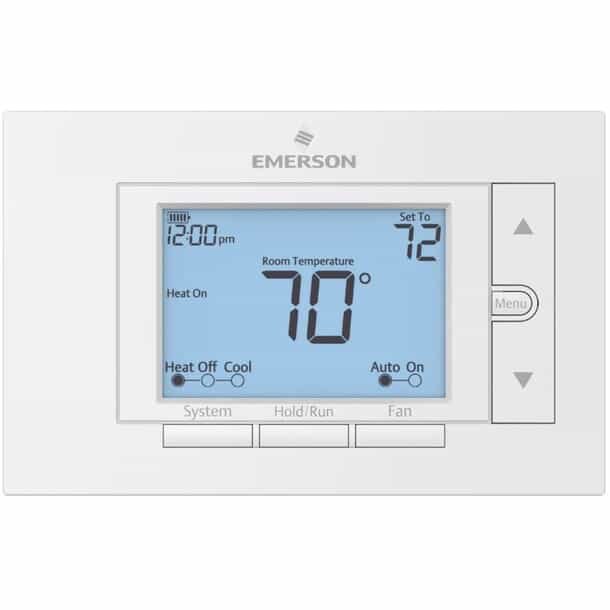
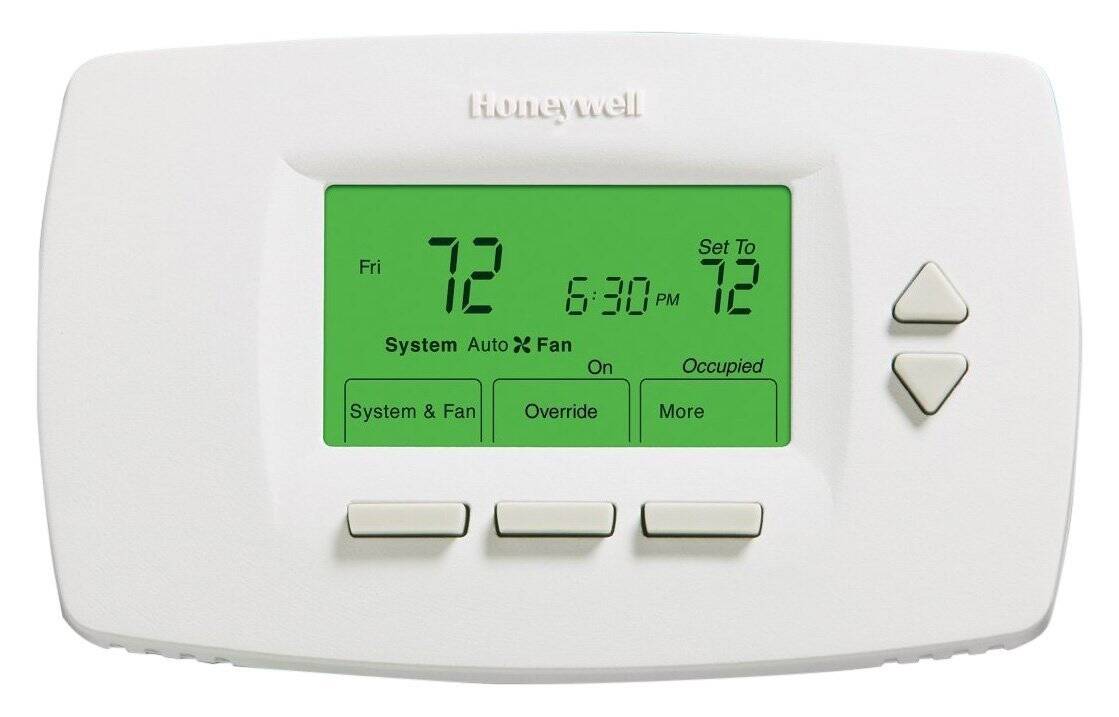
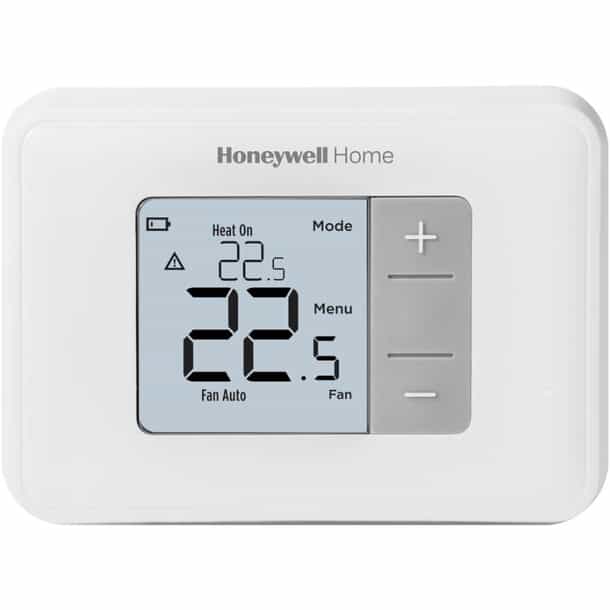
Digital thermostats show the temperature on a screen. They use electronic sensors to measure room temperature. Many models let you set exact temperatures and schedules.
- Easy to read display
- More accurate than mechanical types
- Can save energy by setting timers
- Usually powered by batteries or electricity
Smart Thermostats
Smart thermostats connect to your Wi-Fi network. They learn your habits and adjust the temperature automatically. You can control them with a smartphone app or voice commands.
| Feature | Benefit |
| Remote control | Adjust temperature from anywhere |
| Learning ability | Adapts to your schedule |
| Energy reports | Helps reduce heating costs |
| Integration | Works with smart home devices |
Compatibility Factors
Home thermostats are not always universal. Their compatibility depends on several key factors. Understanding these helps you choose the right thermostat for your system.
Three main areas affect compatibility: wiring, HVAC system type, and power needs. Each must match the thermostat requirements for proper function.
Wiring Configurations
Thermostats connect to your HVAC system through wiring. Different systems use different wires and terminals. This affects whether a thermostat can work with your setup.
- Most common wires include R (power), W (heat), Y (cool), G (fan), and C (common).
- Some systems need extra wires for advanced functions.
- Thermostats vary in the number of wires they support.
- Incorrect wiring can cause malfunctions or damage.
Hvac System Types
Different HVAC systems require compatible thermostats. The main types include:
| System Type | Description | Thermostat Compatibility |
| Single-Stage | Basic on/off heating or cooling | Works with most basic thermostats |
| Multi-Stage | Multiple heating or cooling levels | Needs thermostats that support stages |
| Heat Pump | Uses a pump to transfer heat | Requires heat pump compatible thermostats |
| Electric Furnace | Uses electric heating elements | Thermostats must support electric heat |
Power Requirements
Thermostats need power to run their displays and controls. They get power in different ways. Check your system’s power before buying.
- Battery-powered:Runs on batteries, no wiring needed for power.
- C-wire powered:Uses a common wire for continuous power.
- Power stealing:Draws power from heating or cooling wires, but not all systems support this.
Common Compatibility Issues
Not all home thermostats fit every heating and cooling system. Some models work only with certain wiring and voltages. These limits cause compatibility issues.
Understanding common problems helps you choose the right thermostat. Check wiring, voltage, and control features before buying.
Incompatible Wiring
Thermostats need proper wiring to connect with your HVAC system. Different systems use different wire setups. If your thermostat wiring does not match, it won’t work.
- Some older homes have fewer wires than modern thermostats require.
- Heat pump systems use special wiring that simple thermostats can’t handle.
- Wrong wire connections can cause system errors or no response.
Voltage Mismatches
Thermostats run on different voltages. Most use low voltage (24V) systems. Some models need higher voltage or battery power. Using the wrong voltage can damage the thermostat or system.
| Thermostat Type | Common Voltage | Notes |
| Low Voltage (HVAC) | 24V | Standard for most homes |
| Line Voltage | 120V or 240V | Used in electric baseboard heaters |
| Battery Powered | 3V to 5V | Wireless or smart thermostats |
System Control Limitations
Some thermostats cannot control all HVAC system types. They may lack features for multi-stage heating or cooling. This can cause poor temperature control or system failure.
- No support for heat pumps with auxiliary heat
- Inability to manage multiple zones
- Missing compatibility with humidifiers or ventilators
Credit: www.aartech.ca
Checking Thermostat Compatibility
Not all home thermostats fit every heating or cooling system. It is important to check if a thermostat works with your system before buying.
Compatibility ensures your thermostat controls your system properly. It helps avoid installation problems and poor performance.
Manufacturer Guidelines
Manufacturers give clear instructions about which systems work with their thermostats. These guidelines show supported wiring and system types.
Reading these guidelines helps you pick a thermostat that matches your heating or cooling system features.
- Check voltage requirements (24V or line voltage)
- Look for compatibility with gas, electric, or heat pump systems
- Review wiring terminal labels to match your system
- Note any special features needed like humidity control
Online Compatibility Tools
Many thermostat makers offer online tools to check compatibility. Enter your current system details to see if a thermostat fits.
These tools save time by quickly matching thermostats to your system type and wiring.
- Input your heating and cooling system type
- List your current thermostat wiring connections
- Get a list of compatible thermostat models
- Find extra installation tips and guides
Consulting Hvac Professionals
HVAC experts understand different system types and thermostats. They can help you find the right thermostat for your home.
Consulting a professional reduces risks of wrong installation and system damage.
- Describe your current heating and cooling system
- Ask about thermostat options and compatibility
- Get advice on installation and wiring
- Request professional installation if needed
Benefits Of Universal Thermostats
Universal thermostats work with many heating and cooling systems. They offer several advantages for homeowners.
These thermostats can fit different brands and types of HVAC equipment. This makes them a smart choice for many homes.
Ease Of Installation
Universal thermostats are easy to install. They come with clear instructions and simple wiring options.
This saves time and effort during setup. You do not need special tools or skills.
- Clear wiring labels
- Compatible with standard HVAC wiring
- Step-by-step installation guides
Flexibility Across Systems
Universal thermostats work with many system types. They support heating, cooling, and heat pump systems.
This flexibility allows one thermostat to control different HVAC brands and models. It reduces the need for multiple devices.
- Compatible with gas, electric, and oil systems
- Works with single-stage and multi-stage systems
- Supports both conventional and heat pump setups
User-friendly Features
Universal thermostats often have easy-to-use controls. Many offer digital displays and simple buttons.
They help users adjust temperature and settings without confusion. Some models include programmable schedules for energy savings.
- Clear digital screens
- Simple temperature adjustment
- Programmable heating and cooling schedules
Credit: www.homehardware.ca
When To Upgrade Your Thermostat
Thinking of upgrading your home thermostat? A new thermostat can offer many benefits. It can help save energy, integrate with smart home systems, and improve comfort. Let's explore when you should consider an upgrade.
Upgrading your thermostat can be a wise choice. It enhances your home's energy use and comfort. Here are some reasons to make the switch.
Improved Energy Efficiency
Modern thermostats help you save energy. They learn your schedule and adjust the temperature accordingly. This helps reduce heating and cooling costs.
- Set energy-saving schedules easily
- Use less energy when you're not home
- Lower monthly energy bills
Smart Home Integration
New thermostats can connect to your smart home devices. This allows you to control them using your phone or voice commands. It makes managing your home easier.
- Control from anywhere with your smartphone
- Use voice assistants like Alexa or Google Assistant
- Connect with other smart devices in your home
Enhanced Comfort Control
Advanced thermostats offer better comfort control. They can maintain the perfect temperature in every room. This ensures you are always comfortable at home.
- Set different temperatures for different rooms
- Enjoy consistent comfort throughout your home
- Adjust settings easily for optimal comfort
Credit: www.homehardware.ca
Frequently Asked Questions
Are All Home Thermostats Compatible With Any Hvac System?
No, not all thermostats are compatible with every HVAC system. Compatibility depends on system type, wiring, and voltage. Always check specifications before buying to ensure proper functionality and avoid installation issues.
Can I Replace My Thermostat With A Universal Model?
Universal thermostats claim broad compatibility but may not work with all systems. Verify wiring and system type match. Using a universal model without proper checks can cause operational problems or damage.
Do Smart Thermostats Work With All Heating And Cooling Units?
Smart thermostats support many but not all HVAC units. Compatibility varies by brand and system type. Confirm compatibility with your HVAC model to ensure smart features function correctly.
How Do I Know If My Thermostat Is Universal?
A universal thermostat supports multiple system types and wiring configurations. Check product details for compatibility lists. If unsure, consult an HVAC professional to confirm before purchasing.
Conclusion
Home thermostats are not always universal. Different models may need specific wiring or features. Always check compatibility before buying or installing one. Some thermostats work only with certain heating or cooling systems. Choosing the right thermostat can improve comfort and save energy.
Understanding these basics helps avoid installation problems. Take time to compare options and read instructions carefully. This way, you ensure your home stays warm or cool without trouble. Simple steps lead to better control over your home’s temperature.