Have you ever stopped to wonder what kind of electricity flows from your home outlets? Is it AC or DC?
Knowing the answer can help you understand how your devices work and why certain appliances behave the way they do. This might seem like a small detail, but it affects everything from charging your phone to powering your TV. Keep reading, and you’ll discover the simple truth behind your home’s electricity and why it matters for your everyday life.
Credit: www.alibaba.com
Types Of Home Power
Electricity in homes comes in two main types. These types are alternating current and direct current. Understanding each helps in knowing how power works in your house.
This article explains the basics of alternating current and direct current. It also shows how these types relate to home outlets.
Alternating Current Basics
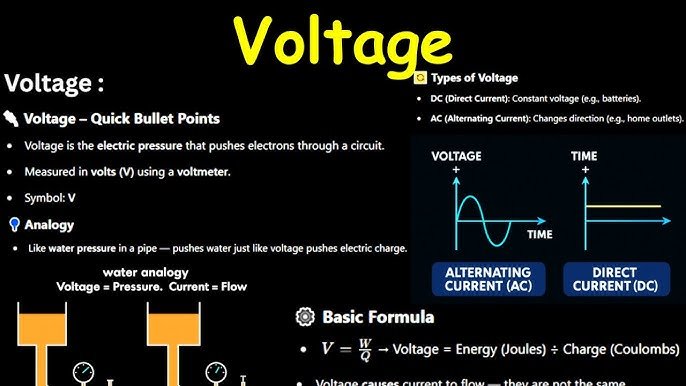
Alternating current (AC) changes direction many times per second. This is the type of power that comes from home outlets. It is used to run most appliances and devices.
- AC voltage rises and falls in a wave pattern.
- It can travel long distances easily.
- Home outlets supply AC power at a standard frequency.
- This type of current powers lights, TVs, and refrigerators.
Direct Current Basics
Direct current (DC) flows in one direction only. It is common in batteries and electronic devices. Some home devices use DC power inside after converting from AC.
| Feature | Alternating Current (AC) | Direct Current (DC) |
| Direction of Flow | Changes periodically | Flows one way only |
| Common Source | Home outlets, power plants | Batteries, solar panels |
| Usage at Home | Powering appliances | Charging devices, electronics |
| Voltage | Varies with time | Constant |
How Home Outlets Work
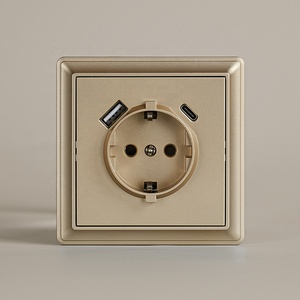
Home outlets provide electricity for your devices and appliances. They deliver a steady flow of power from the electrical grid. Understanding how these outlets work helps you use electricity safely.
Electricity in your home is alternating current (AC). This type of current changes direction many times per second. It differs from direct current (DC), which flows in one direction only.
Role Of Electrical Grid
The electrical grid moves power from power plants to your home. It uses high voltage lines to carry electricity over long distances. The grid balances supply and demand to keep power steady.
- Power plants generate electricity as AC.
- High voltage lines carry power to local areas.
- Substations reduce voltage for safe use.
- Power enters homes through service lines.
- Outlets provide access to this power.
Function Of Transformers
Transformers change voltage levels to make electricity safe and usable. They step voltage down from high levels to the lower levels used in homes. This prevents damage to devices and ensures safety.
| Transformer Type | Voltage Input | Voltage Output |
|---|---|---|
| Step-up Transformer | Low voltage | High voltage |
| Step-down Transformer | High voltage | Low voltage (120V or 240V) |
Why Ac Is Used In Homes
Home outlets use alternating current (AC) instead of direct current (DC). AC changes direction many times per second. This makes it easier to move electricity over long distances.
AC power is safer and more practical for homes. It fits well with the devices we use every day.
Efficiency In Power Transmission
AC power loses less energy when it travels through wires. This keeps electricity strong from power plants to houses.
High voltage AC can travel farther without losing power. This saves money and resources for power companies.
- AC voltage can be very high for long distance travel
- Higher voltage means less energy lost as heat
- Power reaches homes with more strength
Ease Of Voltage Conversion
AC voltage can be changed easily with transformers. This helps supply the right power to homes and devices.
Transformers make it safe to use electricity. They lower high voltage from power lines to a safe level for home use.
- High voltage from power plants is reduced for home outlets
- Safe voltage protects people and devices
- Transformers work only with AC, not DC
Devices That Use Dc At Home
Many devices at home use direct current (DC) to operate. DC power comes from batteries or power adapters that convert AC to DC. Understanding which devices use DC helps in managing power and charging.
Some devices run directly on DC from batteries. Others use AC outlets but inside convert that power to DC for their circuits. Let’s look at common examples.
Battery-powered Gadgets
Battery-powered gadgets use DC because batteries provide direct current. These devices work without needing to plug into an AC outlet.
- Flashlights
- Remote controls
- Wireless keyboards and mice
- Portable fans
- Battery-operated toys
Electronics With Ac Adapters
Many electronics plug into AC outlets but use adapters to change AC to DC. These adapters ensure the device gets the right type of power.
| Device | Power Source | Reason for DC |
| Laptops | AC adapter | Internal circuits run on DC |
| Smartphone chargers | AC adapter | Charge battery with DC |
| LED lamps | AC adapter | LEDs require DC to light up |
| Routers | AC adapter | Use DC for internal electronics |
Impact On Safety And Appliances
Home electrical outlets can carry either AC or DC power. Knowing the difference helps protect your appliances and home safety. It is important to understand how this affects circuit protection and device compatibility.
This article explains key points about circuit protection and which appliances work best with AC or DC power from home outlets.
Circuit Protection Differences
AC and DC power behave differently, so circuit breakers and fuses must match the type of current. AC breakers can interrupt current flow easily because the current crosses zero volts many times per second. DC power does not have this zero crossing, making it harder to interrupt.
- AC breakers trip faster and more reliably with AC power.
- DC breakers need special design to safely break the circuit.
- Using the wrong breaker type can cause fire risks.
- Ground fault interrupters (GFCI) work differently on AC and DC.
Appliance Compatibility
Most home outlets provide AC power. Many appliances are built for AC input. Some devices can use DC but require adapters or special wiring.
| Appliance Type | Power Type | Safety Considerations |
|---|---|---|
| Refrigerators | AC | Standard circuit breakers protect well |
| LED Lighting | AC or DC | Check for correct driver or adapter |
| Power Tools | AC | Use grounded outlets and proper breakers |
| Solar Battery Systems | DC | Use DC-rated breakers and fuses |

Credit: www.premium-electric.ca
Future Trends In Home Power
Homes today mostly use AC (alternating current) power. This is standard in most countries. However, there is a growing interest in DC (direct current) power. Let’s explore why this is happening and how it connects with renewable energy.
People want more efficient and sustainable power. As technology evolves, the trend might shift towards DC in some areas. Understanding these changes is important for future home designs.
Growing Use Of Dc In Homes
DC power is gaining attention for its efficiency. Many electronic devices use DC power. Using DC directly can reduce energy loss. This is because there’s no need to convert AC to DC.
Homes with solar panels often generate DC power. Storing and using this power as DC is efficient. It can lower energy costs and reduce waste.
- Less energy loss with DC power
- Direct use of solar power
- Better for battery storage systems
Renewable Energy And Power Sources
Renewable energy is becoming more popular. Solar and wind power are leading the way. These sources often produce DC power. Using them can help reduce reliance on fossil fuels.
In the future, homes might use more renewable energy sources. This can lead to a cleaner environment. It can also save money on energy bills.
| Energy Source | Type of Power |
| Solar Panels | DC |
| Wind Turbines | AC |
| Hydropower | AC |

Credit: www.dosupply.com
Frequently Asked Questions
Are Home Outlets Ac Or Dc Power?
Home outlets supply AC (alternating current) power. This means the electrical flow changes direction periodically. AC is ideal for homes because it transmits electricity efficiently over long distances.
Why Do Homes Use Ac Instead Of Dc Power?
Homes use AC because it’s easier to transform voltage levels. AC allows safe power distribution and efficient energy use. DC is mainly used for batteries and electronics, not for general household power.
Can I Plug Dc Devices Into Ac Home Outlets?
DC devices need adapters to plug into AC outlets safely. Most home electronics convert AC to DC internally. Always check the device’s power requirements before plugging it in.
How Does Ac Voltage In Home Outlets Vary?
Standard home outlets typically provide 120V or 240V AC voltage. Voltage varies by country and appliance type. This standardization ensures appliances work safely and efficiently in homes.
Conclusion
Home outlets provide alternating current (AC) power to run most devices. This type of current changes direction many times per second. Direct current (DC) is found in batteries and some electronics. Knowing the difference helps you understand how appliances work.
Always use the right power source for your devices. Safety matters when dealing with electricity at home. Simple knowledge keeps your home safe and your devices working well. Understanding AC versus DC makes you smarter about everyday power.