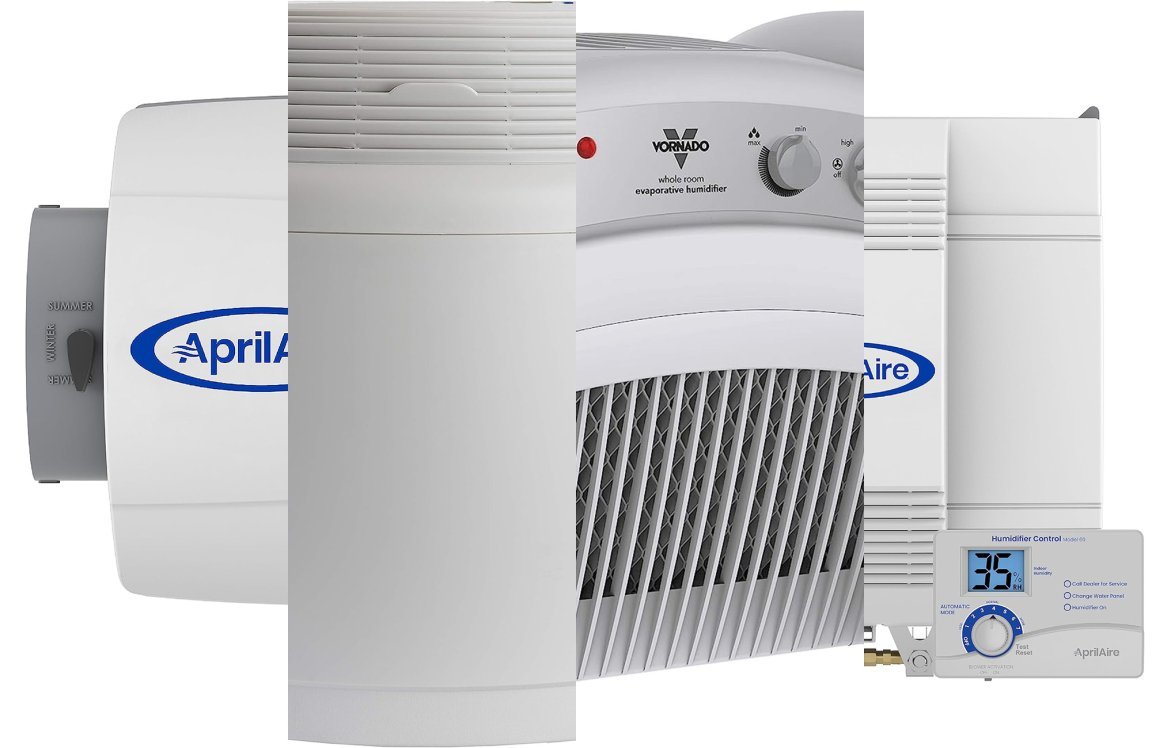
Have you ever noticed dry skin, irritated eyes, or a scratchy throat when the air inside your home feels stiff? You might be wondering if a home humidifier can make a real difference.
But are home humidifiers worth it, or just another gadget taking up space? You’ll discover how these devices work, the benefits they can bring to your comfort and health, and whether investing in one is the right choice for you.
Keep reading to find out if a home humidifier is the missing piece to improving your indoor air quality and overall well-being.

Credit: www.reddit.com
Benefits For Health
Home humidifiers add moisture to the air inside your house. This extra humidity can help improve your health in many ways.
Dry air often causes problems like dry skin and breathing discomfort. Using a humidifier can ease these issues and make you feel better.
Relief From Dry Skin
Dry air can make your skin itchy and flaky. Humidifiers add moisture to the air, which helps keep your skin soft.
People with eczema or sensitive skin often feel better when the air is more humid. It stops the skin from cracking and peeling.
Easing Respiratory Issues
Dry air can irritate your nose, throat, and lungs. Humidifiers help keep these areas moist and reduce discomfort.
Humid air helps clear mucus and reduce coughing. It can ease symptoms of colds, allergies, and asthma.
- Prevents dry nose and throat
- Reduces coughing and congestion
- Helps with breathing during illness
Better Sleep Quality
Dry air can cause snoring and discomfort during sleep. Humidifiers create a more comfortable sleeping environment.
With proper humidity, you breathe easier and wake up feeling refreshed. This helps improve your overall sleep quality.

Credit: www.mattressclarity.com
Impact On Home Environment
Home humidifiers add moisture to the air. This can change many things inside your house.
Using a humidifier can protect your belongings and keep your home more comfortable.
Protecting Wooden Furniture
Dry air can cause wood to crack or warp. Humidifiers keep wood from drying out too much.
- Prevents cracking and splitting
- Keeps wood looking smooth
- Extends life of furniture
- Reduces gaps in wooden flooring
Reducing Static Electricity
Static shocks can be annoying. Dry air increases static electricity in your home.
| Effect | Dry Air | With Humidifier |
| Static shocks | Frequent | Rare |
| Clothes cling | Yes | No |
| Dust buildup | More | Less |
Preserving Indoor Plants
Many indoor plants need moisture in the air. Dry air can cause leaves to brown and fall.
Benefits of Humidifiers for Plants:
- Prevents leaf damage
- Improves growth
- Reduces plant stress
- Keeps soil from drying out quickly
Types Of Humidifiers
Humidifiers add moisture to dry air. They help relieve dry skin and breathing problems.
There are several types of humidifiers. Each uses a different way to add moisture to the air.
Cool Mist Humidifiers
Cool mist humidifiers release a cool, fine mist into the air. They use a fan to blow air through a wet wick or filter.
- Good for large rooms
- Safe for children because they do not use heat
- May need regular cleaning to prevent mold
- Use more electricity than some other types
Warm Mist Humidifiers
Warm mist humidifiers boil water to produce steam. This steam cools before it leaves the machine.
| Feature | Benefit |
| Heat used | Kills bacteria and germs |
| Quiet operation | Works without a fan |
| Energy use | Uses less electricity than cool mist |
| Safety | Not safe for children due to hot steam |
Ultrasonic Humidifiers
Ultrasonic humidifiers use vibrations to create a fine mist. They are very quiet and energy efficient.
- Use less power than other humidifiers
- Work silently, good for bedrooms
- May leave white dust if hard water is used
- Need regular cleaning to avoid bacteria growth
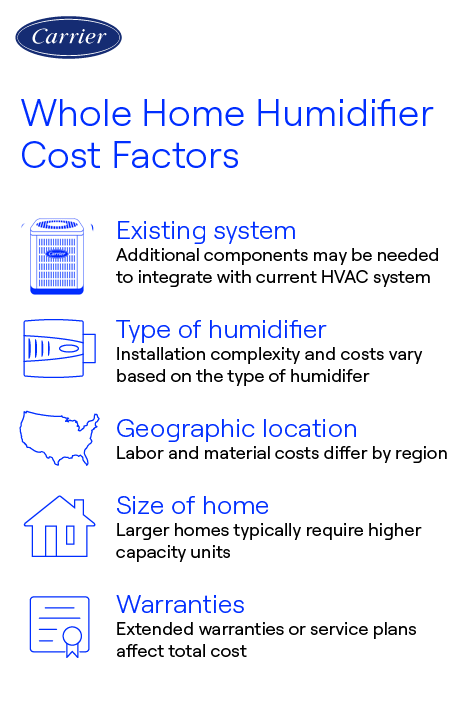
Credit: www.carrier.com
Cost And Maintenance
Home humidifiers help add moisture to dry air. They can improve comfort during cold months. Knowing the cost and care needed is important before buying one.
This guide covers initial investment, running costs, and cleaning care for humidifiers. These factors affect your overall experience and budget.
Initial Investment
The price of a home humidifier depends on the type and size. Basic models cost less but may have fewer features. Advanced models cost more and offer better control.
- Small ultrasonic humidifiers: $20 to $50
- Evaporative humidifiers: $30 to $70
- Warm mist humidifiers: $40 to $80
- Large whole-house systems: $100 to $300 or more
Running Costs
Humidifiers use electricity and water. The amount depends on the model and usage time. Some use more power than others. Replacing filters or cartridges may add costs.
| Cost Type | Range | Notes |
| Electricity | $0.50 - $2 per month | Depends on power and hours used |
| Water | Minimal cost | Use clean, filtered water if possible |
| Filter Replacement | $5 - $30 every 1-3 months | Needed for some models only |
Cleaning And Care
Cleaning your humidifier stops mold and bacteria growth. It also keeps the device working well. Cleaning should happen weekly or as the manual suggests.
- Empty and dry the water tank daily
- Use vinegar or a mild cleaner weekly
- Replace filters on time
- Wipe outside with a soft cloth
Potential Drawbacks
Home humidifiers add moisture to the air, but they can cause problems if not used right. It is important to know the possible risks before buying one.
Some common issues include mold growth, too much humidity, and noise. Each can affect your health and comfort.
Risk Of Mold Growth
Too much moisture from a humidifier can lead to mold in your home. Mold grows in damp places and can cause allergies or breathing problems.
- Keep humidity levels between 30% and 50% to avoid mold.
- Clean your humidifier regularly to stop mold spores.
- Use a hygrometer to monitor indoor humidity.
Over-humidification Issues
Too much humidity can make your home feel sticky and uncomfortable. It can also damage wood furniture and paint.
| Problem | Cause | Effect |
| Condensation | High humidity | Water collects on windows and walls |
| Allergy flare-ups | Excess moisture | Dust mites and mold grow faster |
| Damage to home | Wet surfaces | Wood warps, paint peels |
Noise Levels
Some humidifiers make noise while running. This can disturb sleep or work, especially in quiet rooms.
Noise varies by type and model:
- Ultrasonic humidifiers are usually quiet.
- Evaporative models make a soft fan sound.
- Warm mist humidifiers can have a slight boiling noise.
When To Use A Humidifier
Home humidifiers can help maintain comfortable humidity levels. They are especially useful in specific conditions and environments.
Understanding when to use a humidifier can improve air quality and health. Consider these factors to decide if a humidifier is right for you.
Seasonal Considerations
Winter months often bring dry air, making humidifiers beneficial. They add moisture to the air, reducing dryness in your home.
- Winter: Heaters dry out indoor air.
- Summer: Air conditioners can also reduce humidity.
- Spring and Fall: Consider the natural humidity levels.
Health Conditions
Some health issues may improve with a humidifier. It can ease symptoms by adding moisture to the air.
- Dry Skin: Humidity helps keep skin hydrated.
- Allergies: Moist air can reduce allergy symptoms.
- Asthma: May help breathing by easing airway dryness.
Home Size And Layout
The size and layout of your home affect humidifier effectiveness. A larger home may need multiple units or a larger capacity unit.
| Home Size | Humidifier Type |
| Small Room | Portable Humidifier |
| Entire House | Whole House Humidifier |
| Open Layout | Large Capacity Unit |
Frequently Asked Questions
What Are The Main Benefits Of Using Home Humidifiers?
Home humidifiers add moisture to dry air, easing breathing and skin dryness. They help reduce cold symptoms, prevent static electricity, and protect wooden furniture from cracking. Using a humidifier improves overall comfort, especially during winter or in dry climates.
Can Humidifiers Improve Indoor Air Quality?
Yes, humidifiers improve indoor air quality by maintaining optimal humidity levels. Proper humidity reduces dust, allergens, and airborne viruses. This creates a healthier environment, especially for allergy sufferers and those with respiratory issues.
Are Home Humidifiers Safe For Children And Pets?
Home humidifiers are generally safe when used correctly. Always clean them regularly to prevent mold and bacteria growth. Use cool mist humidifiers for children and pets to avoid burns from hot steam.
How Often Should I Clean My Home Humidifier?
You should clean your humidifier every 3 days to a week. Regular cleaning prevents mold, bacteria, and mineral buildup. Follow the manufacturer’s instructions for safe and effective maintenance.
Conclusion
Home humidifiers can improve your indoor air quality. They help reduce dryness in the air and ease breathing. Many people feel better with balanced humidity levels. Humidifiers also protect wood furniture and houseplants. Maintenance is simple and helps keep them safe.
Choosing the right model depends on your needs and space. Overall, home humidifiers offer several benefits worth considering. They create a more comfortable and healthier living space. Small changes can bring big comfort to your home.