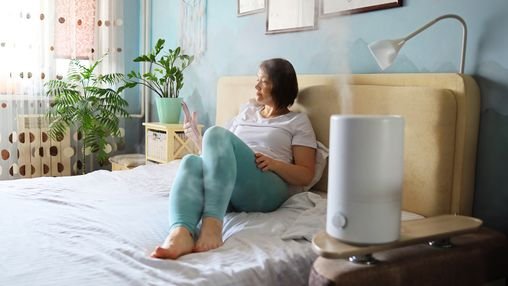
Have you ever wondered if using a home humidifier is actually good for your health? You might think adding moisture to the air is helpful, especially when the air feels dry.
But is it really safe? Could it help you breathe easier, or might it cause problems you didn’t expect? You’ll discover the surprising truths about home humidifiers and how they can affect your well-being. Keep reading to find out if a humidifier is the right choice for your home and health.
%20(Presentation)%20(1600%20x%20600%20px)(22)-eb98b0b1-4bfa-4343-974f-bb0e5f4a77d7.webp&w=3840&q=75)
Credit: www.tataneu.com
Health Benefits Of Home Humidifiers
Home humidifiers add moisture to the air inside your house. This helps keep the air from becoming too dry.
Using a humidifier can improve your health in many ways. It supports your skin, breathing, sleep, and immune system.
Relief From Dry Skin And Irritation
Dry air can cause your skin to feel itchy and cracked. It can also make your eyes and lips dry and uncomfortable.
Humidifiers add moisture back to the air. This helps keep your skin soft and reduces irritation.
Easing Respiratory Issues
Dry air can irritate your nose and throat. It may cause coughing or make breathing harder for people with asthma.
Humidifiers help keep your airways moist. This can reduce coughing and ease breathing problems.
Improving Sleep Quality
Dry air can cause you to wake up with a dry throat or nose. It can also make it harder to breathe at night.
Using a humidifier while you sleep keeps the air moist. This helps you breathe better and sleep more comfortably.
Supporting Immune Function
Dry air can weaken your body’s defenses against germs. It can also allow viruses to spread more easily.
Humidifiers keep the air moist, which can help your immune system work better. This lowers the chance of getting sick.

Credit: shop.aprilaire.com
Potential Risks Of Using Humidifiers
Humidifiers add moisture to the air, which can help with dry skin and breathing. But they can also cause problems if not used correctly.
It is important to know the risks before using a humidifier in your home.
Risk Of Mold And Bacteria Growth
Humidifiers create a moist environment that can help mold and bacteria grow. These germs can spread into the air and cause health issues.
Using dirty water or not cleaning the humidifier often increases this risk. Breathing in mold spores or bacteria can lead to infections or allergies.
Excessive Humidity And Allergies
Too much humidity in the air can worsen allergies. Dust mites and mold grow faster in moist air. This can trigger allergy symptoms like sneezing and itching.
Keeping humidity levels between 30% and 50% helps prevent these problems. High humidity makes the air feel sticky and uncomfortable.
Impact On Asthma And Respiratory Conditions
Humidifiers can affect people with asthma or breathing problems. Moist air can cause the airways to swell or tighten.
Dirty humidifiers may release harmful particles into the air. This can make asthma attacks worse or cause coughing and wheezing.
Maintenance And Cleaning Challenges
Humidifiers need regular cleaning to stay safe. They can build up mold, bacteria, and mineral deposits over time.
Cleaning requires time and the right products. Neglecting this task increases health risks and lowers the humidifier’s performance.
- Empty and dry the tank daily
- Use distilled or filtered water
- Clean with vinegar or special cleaners weekly
- Replace filters as recommended
Choosing The Right Humidifier
Using a home humidifier can help keep the air moist and comfortable. It is important to pick the right humidifier for your needs.
Choosing the best humidifier depends on the room size, type, and features you want. This guide helps you decide.
Types Of Humidifiers
There are several types of humidifiers. Each works differently to add moisture to the air.
- Evaporative: Uses a wick filter and fan to blow moist air.
- Ultrasonic: Uses vibrations to create a fine mist.
- Steam Vaporizers: Boil water and release warm steam.
- Impeller: Uses a rotating disk to spray water droplets.
Choose a type based on your comfort, noise level, and cleaning needs.
Size And Capacity Considerations
Humidifiers come in different sizes and water capacities. Matching these to your room size is important.
Small humidifiers work well for bedrooms or offices. Large ones are better for living rooms or whole houses.
- Small: Up to 300 square feet, usually holds 1-2 liters of water.
- Medium: Covers 300-500 square feet, holds 2-4 liters.
- Large: Over 500 square feet, holds more than 4 liters.
Features To Look For
Look for features that make your humidifier easy to use and maintain. These improve your experience.
- Adjustable humidity settings to control moisture levels.
- Auto shut-off when water runs low for safety.
- Easy-to-clean tanks to prevent mold and bacteria.
- Quiet operation for use during sleep or work.
- Filter indicators to know when to change filters.
Energy Efficiency
Energy-efficient humidifiers save power and reduce bills. They are better for the environment.
Look for models with low wattage and energy-saving modes. Some have timers to run only when needed.
- Choose units with Energy Star ratings if available.
- Use timers to limit operation time.
- Pick models with adjustable mist output.
Safe Use And Maintenance Tips
Home humidifiers help add moisture to dry air. Using them safely keeps your home healthy.
Regular care and correct use stop germs and damage. Follow these tips for best results.
Proper Cleaning Routines
Clean your humidifier often to stop mold and bacteria growth. Dirty machines can harm your health.
Empty and rinse the water tank every day. Deep clean it weekly with soap and water.
- Use a soft brush to scrub hard spots
- Rinse all parts well before use
- Let parts dry completely before assembly
Monitoring Humidity Levels
Keep indoor humidity between 30% and 50%. Too much moisture causes mold and dust mites.
Use a hygrometer to check humidity. Adjust your humidifier settings based on the readings.
- Low humidity can cause dry skin and throat
- High humidity can lead to mold growth
- Balance keeps air comfortable and safe
Using Distilled Water
Use distilled water in your humidifier to avoid minerals in tap water. Minerals can create white dust.
Distilled water helps keep your machine clean and working longer. It reduces the chance of mold.
When To Replace Filters
Change your humidifier’s filters as the manual says. Old filters hold bacteria and dust.
Check filters every few weeks during use. Replace them if they look dirty or smell bad.
- Follow the manufacturer’s replacement schedule
- Use only filters made for your model
- Keep spare filters ready to swap out
Alternatives To Humidifiers
Humidifiers can help add moisture to dry air. Some people worry about their health effects. There are natural ways to increase humidity without a machine.
Other options can improve air quality in your home too. It is important to know when to ask a doctor for advice.
Natural Methods To Increase Humidity
You can raise moisture levels without using a humidifier. These methods are simple and safe to try at home.
- Place bowls of water near heat sources to evaporate water into the air
- Dry clothes indoors on a rack to release moisture
- Keep houseplants that release water vapor through their leaves
- Open bathroom doors after a hot shower to let steam spread
Other Air Quality Improvements
Good air quality helps your health and comfort. Besides humidity, you can improve air by removing dust and pollutants.
- Use air purifiers to reduce dust, pollen, and smoke
- Ventilate rooms by opening windows regularly
- Keep surfaces clean and dust-free
- Avoid smoking indoors to protect air quality
When To Consult A Healthcare Professional
If you have breathing problems or allergies, talk to a doctor. Dry air may make symptoms worse, but other causes are possible.
Seek medical advice if you notice constant coughing, wheezing, or skin irritation. A doctor can recommend the best treatment for your needs.
Credit: timesofindia.indiatimes.com
Frequently Asked Questions
Are Home Humidifiers Good For Health?
Home humidifiers help maintain optimal indoor humidity levels. They prevent dry skin, reduce respiratory irritation, and improve comfort. Proper use can reduce allergies and colds. However, regular cleaning is essential to avoid mold and bacteria growth that may harm health.
Can Humidifiers Cause Respiratory Problems?
If not cleaned properly, humidifiers can harbor mold and bacteria. This can worsen asthma and allergies. Using distilled water and cleaning frequently prevents respiratory issues. Maintaining recommended humidity levels (30-50%) also reduces risks associated with over-humidification.
How Often Should I Clean My Humidifier?
Cleaning your humidifier at least once a week is ideal. Use vinegar or mild bleach solutions to remove mineral deposits and mold. Regular cleaning prevents harmful bacteria buildup and ensures healthy air quality in your home.
What Is The Best Humidity Level For Health?
A humidity level between 30% and 50% is best for health. It prevents dryness and inhibits mold growth. Maintaining this range supports respiratory comfort and reduces the risk of infections and allergens.
Conclusion
Home humidifiers can help keep the air moist and comfortable. They may reduce dry skin, coughs, and irritation. Using them properly is very important for health. Clean the humidifier often to avoid germs and mold. Set the right humidity level, not too high or low.
This keeps your home safe and fresh. Choose a humidifier that fits your needs and space. A healthy home feels better and breathes easier. Small steps make a big difference in air quality.