Are you worried about how much you’ll pay to heat your home this season? You’re not alone.
Home heating oil prices can change quickly, and knowing whether they’re going up or down can save you money and stress. You’ll discover the key factors driving these price shifts and what you can do to stay ahead. Keep reading to find out how to protect your budget and keep your home warm without surprises.
Current Trends In Heating Oil Prices
Heating oil prices change often due to many factors. These include supply, demand, and weather.
Knowing the current trends helps homeowners plan their heating costs better.
Recent Price Fluctuations
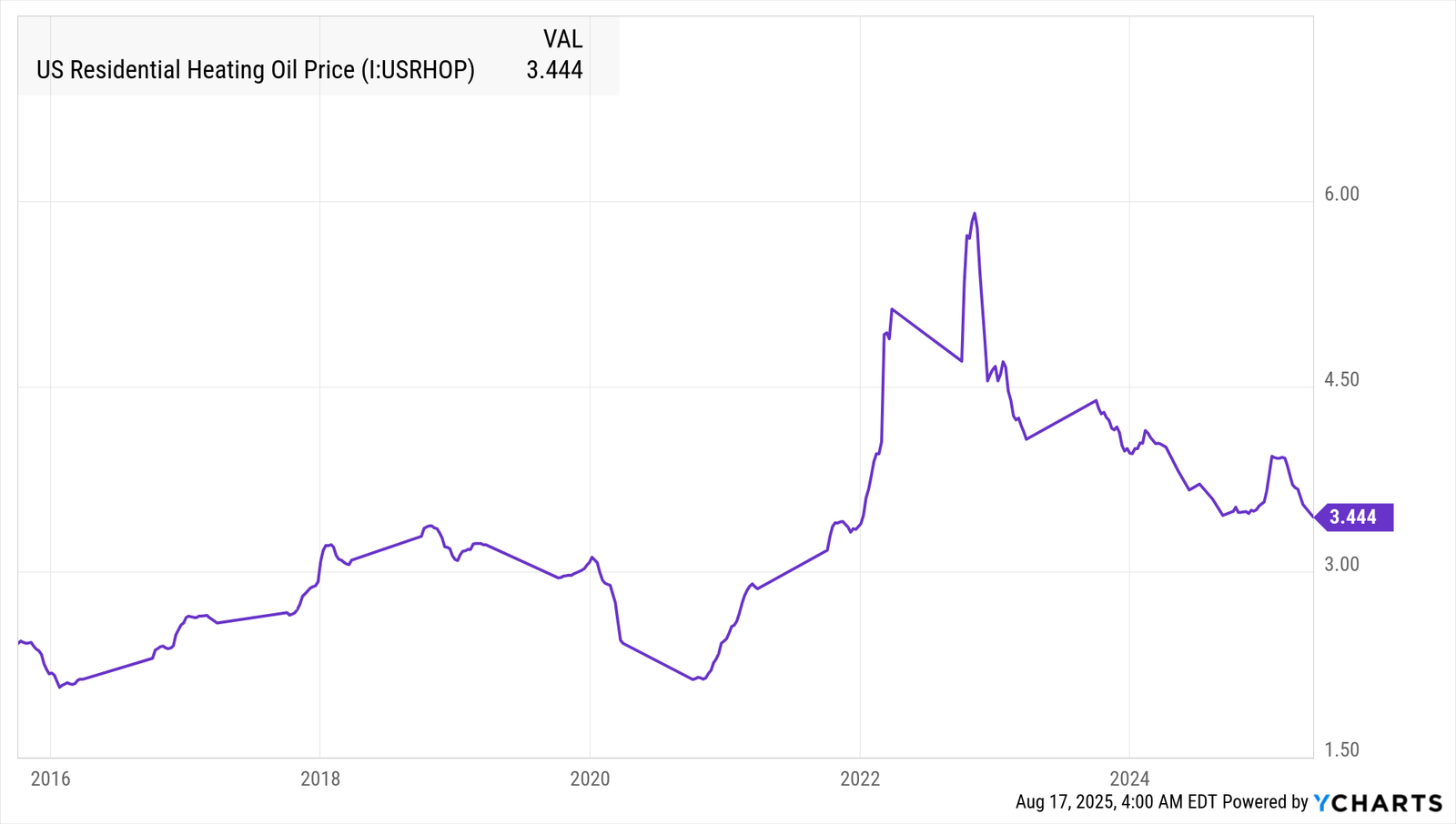
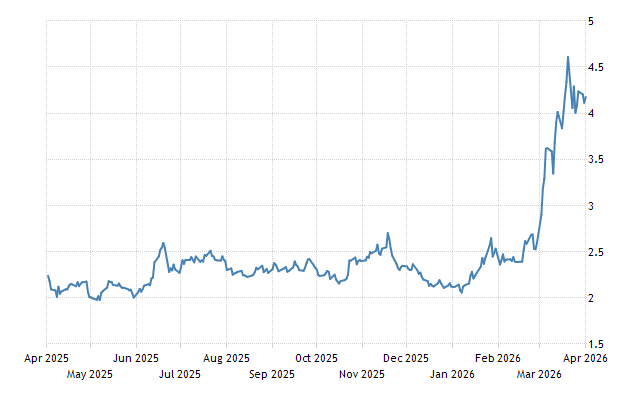
Heating oil prices have moved up and down in recent months. Supply chain issues caused some rises.
Warmer weather and lower demand helped prices drop at times.
- Winter cold increased oil use and prices
- Spring warming lowered demand and prices
- Global oil market affects local heating oil costs
Regional Price Variations
Heating oil costs vary by region. Some areas pay more due to transport and supply issues.
Northeastern states often have higher prices than the South because of colder winters.
| Region | Average Price per Gallon | Notes |
|---|---|---|
| Northeast | $3.50 | Higher demand in winter |
| Midwest | $3.10 | Moderate demand, local supply |
| South | $2.90 | Milder winters lower prices |
Credit: www.eia.gov
Factors Influencing Price Changes
Home heating oil prices change due to many reasons. These reasons affect how much you pay in winter and summer.
Understanding these factors helps you know why prices go up or down over time.
Crude Oil Market Dynamics
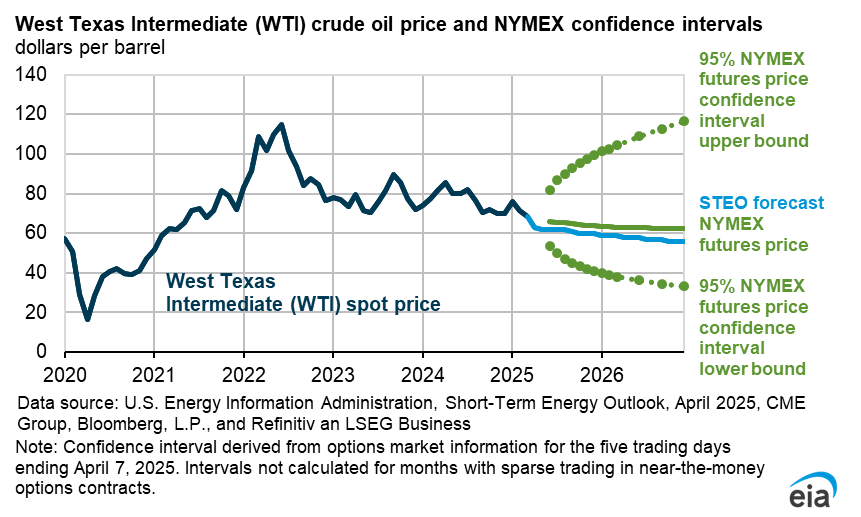
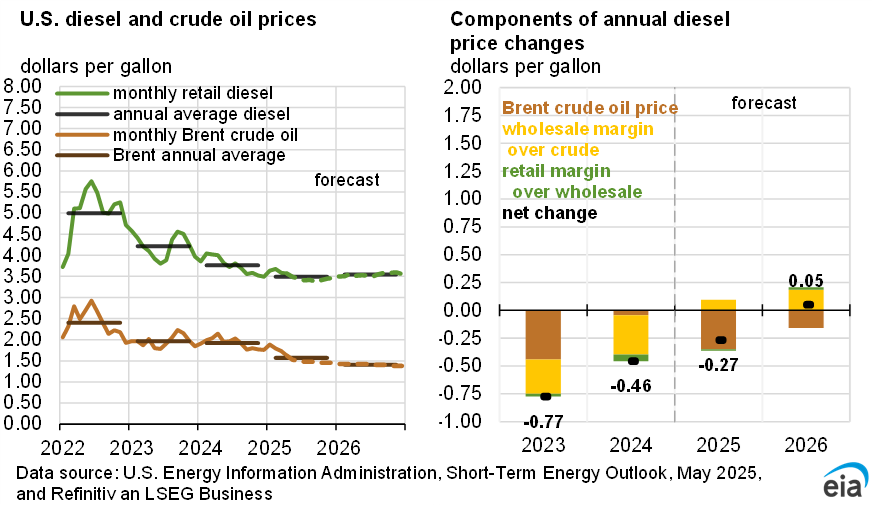
Crude oil is the main raw material for home heating oil. When crude oil prices rise, heating oil prices often rise too.
Oil prices change based on how much oil is produced and how much buyers want.
- Higher production usually lowers prices
- Higher demand usually raises prices
- Stock levels also affect price trends
Seasonal Demand Shifts
Heating oil demand changes with the seasons. People use more oil in winter for heating their homes.
Demand is lower in warmer months, so prices tend to drop during spring and summer.
- Winter demand increases prices
- Summer demand lowers prices
- Weather changes can speed up price shifts
Geopolitical Events Impact
Political events in oil-producing countries can change supply. This affects heating oil prices worldwide.
Conflicts, sanctions, or trade decisions can limit oil supply and push prices higher.
- War or conflict can reduce oil output
- Trade restrictions can block oil shipments
- Political stability helps keep prices steady
Supply Chain Challenges
Heating oil prices also depend on how well the supply chain works. Problems can cause delays and higher costs.
Transportation issues, refinery problems, or storage limits can all raise prices.
- Pipeline or shipping delays increase prices
- Refinery maintenance can limit oil supply
- Storage shortages affect availability and cost
Expert Predictions For The Coming Months
Home heating oil prices often change due to many factors. Experts study these factors to predict if prices will rise or fall.
Understanding these predictions helps homeowners plan their budgets for heating costs in the near future.
Short-term Price Forecasts
In the next few months, heating oil prices may fluctuate. Weather patterns and supply levels have strong effects.
- Cold weather increases demand, pushing prices up.
- Supply disruptions can cause quick price spikes.
- Stable supply and mild weather may lower prices.
- International market trends influence local prices.
Long-term Market Expectations
Experts expect prices to change slowly over the years. Global energy shifts and policy changes play key roles.
| Factor | Impact on Price | Expected Trend |
| Renewable energy growth | Reduces oil demand | Gradual price decline |
| Fossil fuel regulations | Limits supply | Possible price increase |
| Global economic health | Affects demand | Varies with economy |
| Technological advances | Improves efficiency | May lower prices |
Impact Of Heating Oil Prices On Consumers
Heating oil prices can change often. These changes affect many households in cold areas.
Understanding how prices move helps people plan their spending better each year.
Household Budget Considerations
Heating oil costs can take up a large part of a family's budget. When prices rise, families spend more on heat.
Families may need to cut spending on other things to pay for heating during cold months.
- Higher oil prices mean higher monthly bills
- Families might reduce non-essential spending
- Some households may delay other purchases
- Budget planning becomes more important
Energy Efficiency And Cost Savings
Using energy wisely helps lower heating oil use. This saves money even if prices go up.
Simple steps like better insulation or a modern furnace reduce oil needs.
- Seal windows and doors to keep heat inside
- Use programmable thermostats to control heat
- Regular furnace maintenance improves efficiency
- Upgrade to energy-efficient heating systems
Alternatives To Heating Oil
Heating oil prices can change a lot. Many people look for other ways to heat their homes.
There are several good options that can save money and help the environment.
Renewable Energy Options
Renewable energy uses natural sources that do not run out. Solar and geothermal are popular choices.
Solar panels collect sunlight to heat your home or water. Geothermal systems use heat from the earth.
- Solar energy lowers monthly bills
- Geothermal heating works year-round
- Both reduce pollution
- Initial costs can be higher, but savings grow over time
Switching To Natural Gas Or Electric Heating
Natural gas is cleaner and often cheaper than heating oil. It heats homes quickly and efficiently.
Electric heating is easy to install and maintain. It works well with smart thermostats for energy saving.
- Natural gas has lower emissions than oil
- Electric heating can use renewable energy
- Both options may need new equipment
- Check availability in your area before switching
Credit: www.eia.gov
Tips For Managing Heating Costs
Home heating oil prices can be unpredictable. It's important to manage your heating costs wisely. Here are some tips to help you save money on heating this winter.
Understanding purchasing strategies and maintaining your home can make a big difference. Let's explore some effective ways to keep your heating costs under control.
Smart Purchasing Strategies
Buying heating oil at the right time can save you money. Prices fluctuate, so timing is key. Consider these strategies when purchasing your oil.
- Buy in bulk during summer when prices are lower.
- Sign up for automatic delivery to avoid price spikes.
- Track prices online to find the best deals.
Maintenance And Insulation Advice
Proper maintenance and insulation of your home can reduce heating costs. Keeping your heating system efficient is crucial. Here are some tips to help you.
- Insulate windows and doors to prevent heat loss.
- Schedule regular maintenance for your heating system.
- Use a programmable thermostat to control heat use.
Credit: tradingeconomics.com
Frequently Asked Questions
Are Home Heating Oil Prices Expected To Rise Soon?
Home heating oil prices may rise due to increased demand in winter. Supply chain disruptions and crude oil costs also influence prices. Keep monitoring market trends for the latest updates.
What Factors Influence Home Heating Oil Price Changes?
Prices depend on crude oil costs, supply and demand, weather conditions, and geopolitical events. Seasonal shifts often cause price fluctuations. Understanding these factors helps predict price trends.
How Does Weather Affect Heating Oil Prices?
Colder weather increases heating oil demand, pushing prices higher. Mild winters reduce consumption, leading to price drops. Weather forecasts can help anticipate price movements.
Can Global Events Impact Heating Oil Prices?
Yes, international conflicts or trade issues can disrupt oil supply. This disruption often causes price volatility. Staying informed about global news helps anticipate price changes.
Conclusion
Home heating oil prices can change often. Many factors affect these prices, like weather and supply. Watching the market helps you plan better. Saving energy also lowers your heating costs. Staying informed keeps you ready for price shifts. Prepare now to avoid surprises this winter.
Keep an eye on news and trends. This way, you manage your budget well. Heating your home doesn’t have to be costly. Small steps can make a big difference.