Are you worried about your home heating oil costs this season? You’re not alone.
Many homeowners are asking the same question: Are home heating oil prices going up? Understanding what’s driving these changes can help you plan your budget better and avoid unexpected expenses. You’ll discover the key factors affecting prices and what you can do to stay ahead.
Keep reading to protect your wallet and keep your home warm without surprises.
Current Trends In Heating Oil Prices
Heating oil prices have changed recently due to various global and local factors.
Knowing these trends helps homeowners plan their heating costs better.
Recent Price Movements
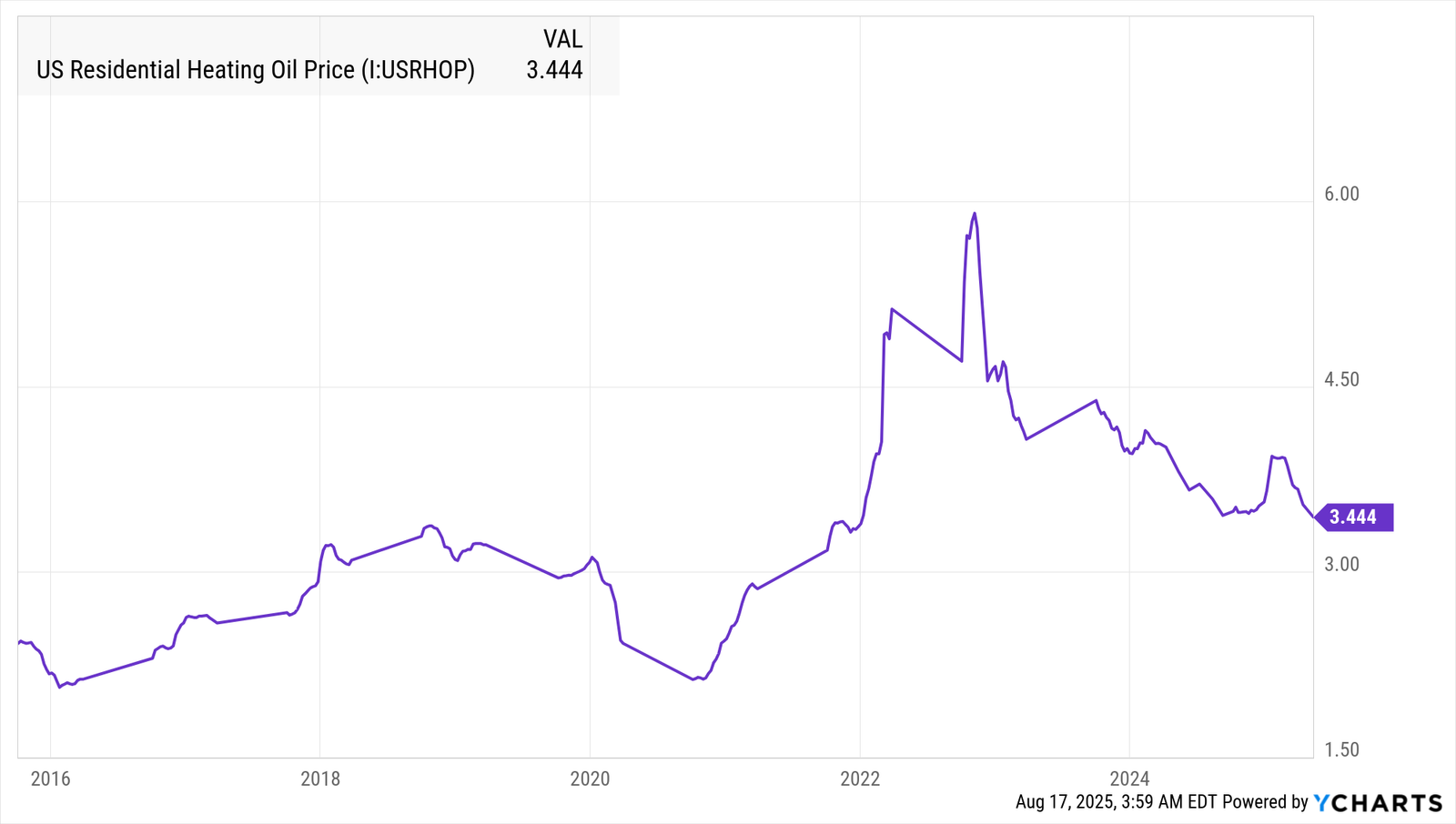
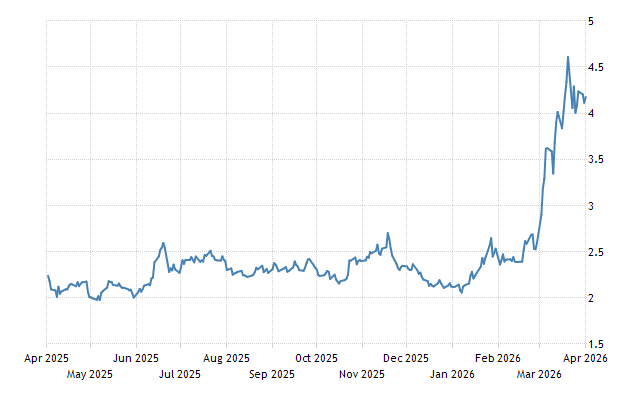
Heating oil prices have seen a rise and fall pattern over the last few months.
- Prices increased slightly in early spring due to supply concerns.
- A mid-summer drop happened because of lower demand.
- Recently, prices started rising again as colder months approach.
- Regional differences cause prices to vary across states.
Factors Driving Price Changes
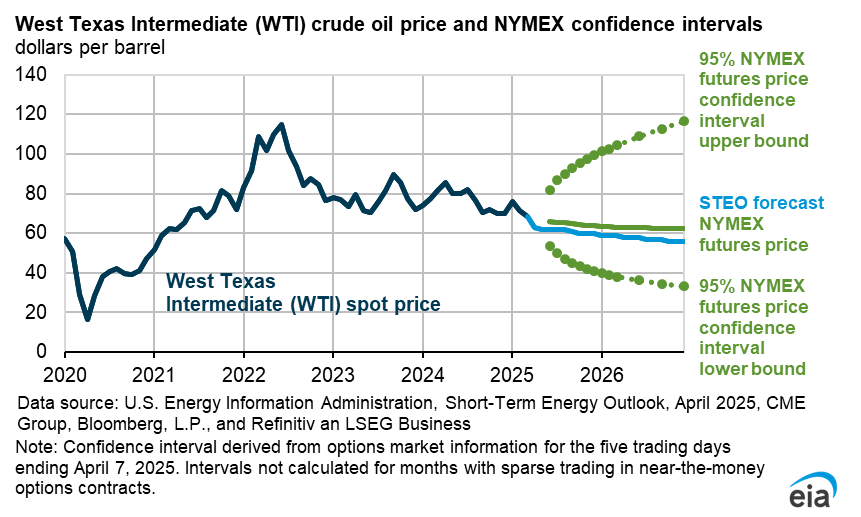
Many factors affect heating oil prices, including global markets and weather.
| Factor | Impact on Price | Explanation |
| Crude Oil Costs | High Impact | Heating oil price follows crude oil price closely. |
| Weather Conditions | Medium Impact | Cold winters increase demand and push prices up. |
| Supply and Storage | Medium Impact | Low supply or storage shortages raise prices. |
| Government Policies | Low Impact | Taxes and regulations can affect costs slightly. |
| Seasonal Demand | High Impact | Demand peaks in winter, causing price increases. |
Credit: www.eia.gov
Impact Of Global Events
Home heating oil prices change because of many global events. These events affect how much oil costs for families.
Understanding these events helps explain why heating oil prices may go up or down.
Geopolitical Influences
Political conflicts can disrupt oil supplies. Countries that produce oil may face tensions or wars.
These issues can limit oil exports and cause prices to rise quickly.
- Sanctions on oil-producing countries reduce supply
- Conflicts in oil-rich regions interrupt production
- Political decisions affect oil trade agreements
Supply Chain Disruptions
Oil must be transported from producers to consumers. Problems in shipping or storage slow delivery.
These delays lower available oil and push prices up.
- Port closures block oil shipments
- Worker strikes slow loading and unloading
- Fuel shortages affect transport vehicles
Seasonal Demand And Its Effects
Home heating oil prices often change with the seasons. Demand grows in colder months. This affects how much people pay for heating oil.
Understanding seasonal demand helps explain price trends. Two main factors are winter demand patterns and storage levels.
Winter Demand Patterns
Winter is the peak time for heating oil use. Cold weather makes many homes use more oil. This higher demand can raise prices.
- Demand rises as temperatures drop
- Shorter daylight means longer heating hours
- Severe weather can increase oil use suddenly
- Heating oil suppliers may face delivery challenges
Storage And Inventory Levels
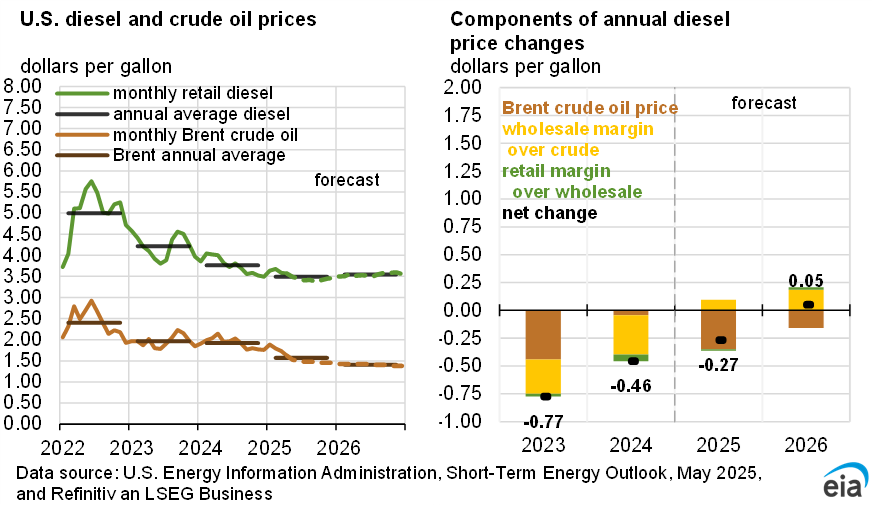
Storage tanks hold heating oil before it reaches homes. Inventory levels affect price stability. Low stocks can push prices higher.
| Inventory Status | Price Impact |
| High Stock | Prices tend to be stable or lower |
| Moderate Stock | Prices fluctuate with demand |
| Low Stock | Prices often rise sharply |
Credit: www.eia.gov
Comparing Heating Oil To Alternatives
Home heating oil prices can change often. Many people want to know how it compares to other heating options. It is important to look at costs and availability.
We will look at natural gas prices and electric heating costs. This helps you see which option fits your home and budget.
Natural Gas Prices
Natural gas is a common heating choice in many areas. It is usually cheaper than heating oil. Prices depend on supply and demand, weather, and market changes.
Natural gas systems are often more efficient. They can heat your home quickly and use less fuel. But not all homes have access to natural gas lines.
- Natural gas prices tend to be lower than heating oil.
- Availability depends on local infrastructure.
- Natural gas burns cleaner than oil.
- Price can vary with seasonal demand.
Electric Heating Costs
Electric heating uses electricity to warm your home. It is easy to install and works where gas or oil are not available. Electric rates affect how much it costs to run.
Electric heating can be more expensive than oil or gas. Heat pumps are an efficient electric option. They use less energy and reduce bills in mild climates.
- Electric heating costs depend on local electricity prices.
- Heat pumps offer better efficiency than baseboard heaters.
- Electric systems need less maintenance.
- Electricity prices can rise during high demand.
Tips To Manage Heating Oil Costs
Heating oil prices can change often. Managing these costs helps keep your budget steady.
Use simple strategies to reduce how much oil you use and save money over time.
Buying Strategies
Buying heating oil smartly can lower your expenses. Watch for price trends and buy when prices drop.
- Buy in larger amounts during low-price periods
- Sign up for fixed-price contracts to avoid spikes
- Compare prices from different suppliers
- Join a local oil co-op for group discounts
Energy Efficiency Improvements
Improving your home's energy efficiency reduces the oil needed to stay warm.
| Improvement | Benefit |
| Seal windows and doors | Less heat loss |
| Install programmable thermostat | Heat only when needed |
| Add insulation in walls and attic | Keep warmth inside |
| Service your heating system | Runs efficiently |
Credit: tradingeconomics.com
Forecasting Future Price Changes
Home heating oil prices fluctuate due to various factors. Understanding these changes helps in better budgeting and planning.
Experts analyze trends to predict future price shifts. Key indicators are studied to make informed forecasts.
Expert Predictions
Experts in the energy sector provide insights based on current data. They use historical trends to anticipate future price movements.
- Global oil demand trends
- Geopolitical tensions
- Environmental policies impacting supply
Market Indicators To Watch
Several market indicators help predict heating oil prices. Watching these can provide early warnings for price changes.
| Indicator | Impact on Prices |
| Crude oil prices | Direct correlation |
| Weather patterns | Demand fluctuation |
| Refinery output | Supply levels |
Frequently Asked Questions
Are Home Heating Oil Prices Expected To Rise Soon?
Home heating oil prices often rise due to seasonal demand and crude oil costs. Economic factors and supply disruptions also affect prices. Monitoring market trends helps predict price changes more accurately.
What Factors Influence Home Heating Oil Price Changes?
Prices depend on crude oil costs, refining capacity, weather conditions, and geopolitical events. Seasonal demand increases in winter also drive prices up. Local supply and transportation costs impact final consumer prices.
How Can I Save Money On Home Heating Oil?
Buying in bulk during off-season months usually lowers costs. Comparing local suppliers and scheduling regular maintenance improves heating efficiency. Using a programmable thermostat helps reduce overall oil consumption.
Does Global Oil Market Affect Home Heating Oil Prices?
Yes, global oil supply and demand directly impact heating oil costs. Political instability and OPEC production decisions influence crude prices. Changes in global markets often reflect quickly in local heating oil rates.
Conclusion
Home heating oil prices can change often. Many factors affect the cost, like weather and supply. Watching the market helps you plan better. Saving energy can lower your bills too. Staying informed makes it easier to manage costs. Don’t wait to check prices and options.
Being prepared helps keep your home warm and your budget steady.