Are you worried about your home heating bills this season? You’re not alone.
Many people are asking the same question: Are home heating oil prices going down? Understanding what’s happening with these prices can help you plan your budget better and avoid unpleasant surprises. You’ll discover the latest trends, what experts are saying, and practical tips to save money on heating oil.
Keep reading—your wallet will thank you.

Credit: x.com
Current Trends In Heating Oil Prices
Heating oil prices have changed a lot this year. Many people want to know if prices will go down soon.
We will look at recent price changes and the reasons behind them. This helps understand what may happen next.
Recent Price Fluctuations
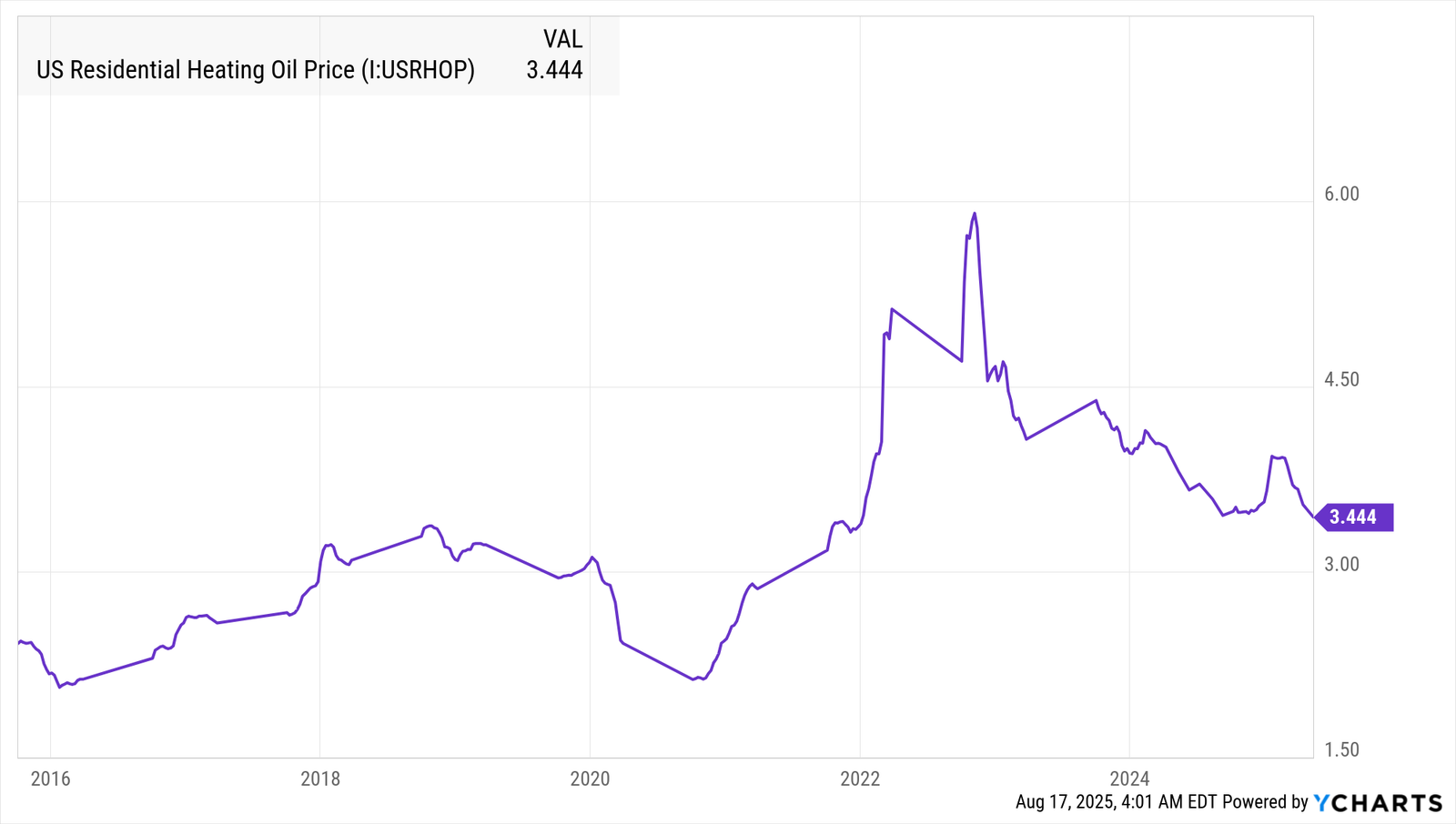
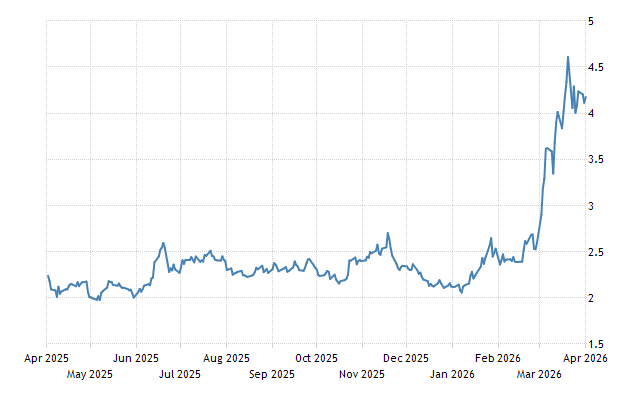
Heating oil prices have risen and fallen over the last few months. Some weeks saw sharp increases, while others had small drops.
These changes depend on supply and demand, weather, and global events. Prices can shift quickly in a short time.
- Winter storms can raise prices by increasing demand
- Warm weather can lower prices as less heating oil is used
- Supply issues, like refinery problems, cause price spikes
Factors Influencing Prices
Many things affect heating oil prices. These include global oil prices, government rules, and how much oil is stored.
Prices also change based on how much heating oil people need and how easy it is to get it.
- Crude oil price changes affect heating oil cost
- Seasonal demand rises in cold months
- Government taxes and policies can raise prices
- Storage levels impact supply and price stability

Credit: www.nbcdfw.com
Impact Of Seasonal Changes
Home heating oil prices change with the seasons. These changes happen because of how much oil people use and how oil is delivered.
Understanding these seasonal effects helps predict if prices will go down or up. Let’s look at the main reasons behind these changes.
Demand Variations In Winter And Summer
People use more heating oil in winter to keep their homes warm. This higher demand often makes prices rise during cold months.
In summer, demand falls because heating is not needed. Lower demand usually leads to lower prices for heating oil.
- Winter: High demand increases prices
- Summer: Low demand lowers prices
Supply Chain Adjustments
Oil suppliers prepare for winter by increasing production and storage. This helps meet the higher demand for heating oil.
In summer, suppliers reduce production and deliveries. This adjustment helps prevent extra stock and lowers costs.
- Winter: More production and storage
- Summer: Less production and deliveries
Global Market Influences
Home heating oil prices depend on many global factors. These factors can make prices go up or down.
Understanding these influences helps predict future price changes for heating oil.
Crude Oil Price Movements
Crude oil is the base for home heating oil. When crude oil prices change, heating oil prices follow.
Prices rise if there is less crude oil supply or more demand worldwide.
- Oil production cuts can push prices higher
- Increased production can lower prices
- Demand changes in big countries affect prices
- Seasonal needs can raise or lower crude oil use
Geopolitical Events
Political events in oil-producing regions affect heating oil prices. Tensions can cause price spikes.
Conflicts, trade disputes, or sanctions may limit oil supply and increase costs.
- Wars can disrupt oil production and shipping
- Sanctions block oil trade and reduce supply
- Political instability scares investors and raises prices
- Peace talks or agreements can ease prices down
Government Policies And Regulations
Government rules affect home heating oil prices. These policies can make prices go up or down. Understanding these rules helps explain price changes.
Policies include taxes, subsidies, and environmental laws. Each can change the cost of heating oil for consumers.
Taxation And Subsidies
Taxes on heating oil raise the price you pay. Some governments add extra taxes to reduce oil use. This makes oil more expensive.
Subsidies help lower heating oil costs. They give money to producers or buyers. This support can make oil cheaper for homes.
- Higher taxes increase heating oil prices
- Subsidies reduce the final cost to consumers
- Tax breaks encourage use of cleaner fuels
- Subsidies may target low-income households
Environmental Regulations
Environmental rules limit pollution from heating oil. These laws can require cleaner oil or new equipment. This often raises costs for suppliers.
Stricter regulations push companies to use cleaner fuel sources. This can lower demand for heating oil and affect prices.
- Rules may require low-sulfur heating oil
- New equipment standards increase costs
- Limits on emissions reduce oil use
- Shift to renewable energy lowers oil demand
Alternative Heating Options
Home heating oil prices can change a lot. Many people look for other ways to heat their homes. Alternative heating options can save money and energy.
Choosing the right heating system can keep your home warm and lower your bills. Here are some popular alternatives to heating oil.
Switching To Natural Gas Or Electric Heating
Natural gas heating is often cheaper than heating oil. It burns cleaner and is widely available in many areas.
Electric heating is easy to install and use. It works well with modern heat pumps and electric furnaces.
- Natural gas offers steady heat and lower costs
- Electric heating has no fuel storage needs
- Both options can reduce your home's carbon footprint
Renewable Energy Solutions
Renewable energy heating uses natural sources like the sun and earth. These systems can lower your heating bills over time.
Solar panels and geothermal heat pumps are common renewable heating options. They provide clean energy and reduce reliance on oil.
- Solar panels convert sunlight into heat or electricity
- Geothermal heat pumps use underground temperatures to warm your home
- Renewable systems may have higher upfront costs but save money later
Tips For Managing Heating Costs
Many are asking if home heating oil prices are going down. Managing heating costs is important for saving money. Here are some tips to help you keep expenses low.
Focus on energy efficiency and smart purchasing to reduce your heating bills. These methods help you stay warm without overspending.
Energy Efficiency Improvements
Energy efficiency helps reduce heating costs. You can make simple changes at home. These improvements save money and keep your home warm.
- Seal windows and doors to stop drafts
- Use programmable thermostats to control temperature
- Upgrade insulation in walls and attics
Smart Purchasing Strategies
Buying heating oil smartly can lower costs. Plan ahead and buy when prices are low. Use these strategies to save money on heating oil.
- Buy in bulk during the off-peak season
- Compare prices from different suppliers
- Sign up for price protection plans
Credit: tradingeconomics.com
Frequently Asked Questions
Are Home Heating Oil Prices Expected To Decrease Soon?
Home heating oil prices fluctuate due to supply, demand, and geopolitical factors. Experts predict moderate price drops this season, but global events may impact these trends.
What Factors Influence Home Heating Oil Prices Most?
Prices depend on crude oil costs, weather conditions, and refinery output. Seasonal demand spikes in winter also push prices higher temporarily.
How Can I Save Money On Home Heating Oil?
Compare local suppliers, buy in bulk, and maintain your heating system. Also, monitor price trends to purchase when rates are lower.
Does Weather Affect Home Heating Oil Prices?
Yes, colder winters increase demand, raising prices. Mild weather reduces consumption, often leading to price declines.
Conclusion
Home heating oil prices can change often. Many factors affect these prices. Weather, supply, and demand play big roles. Watching market trends helps predict future prices. Staying informed lets you plan your heating costs. Remember to compare prices from different suppliers.
This way, you can find the best deal. Saving money on heating is possible with care. Keep checking prices as winter approaches. That way, you stay warm without overspending.