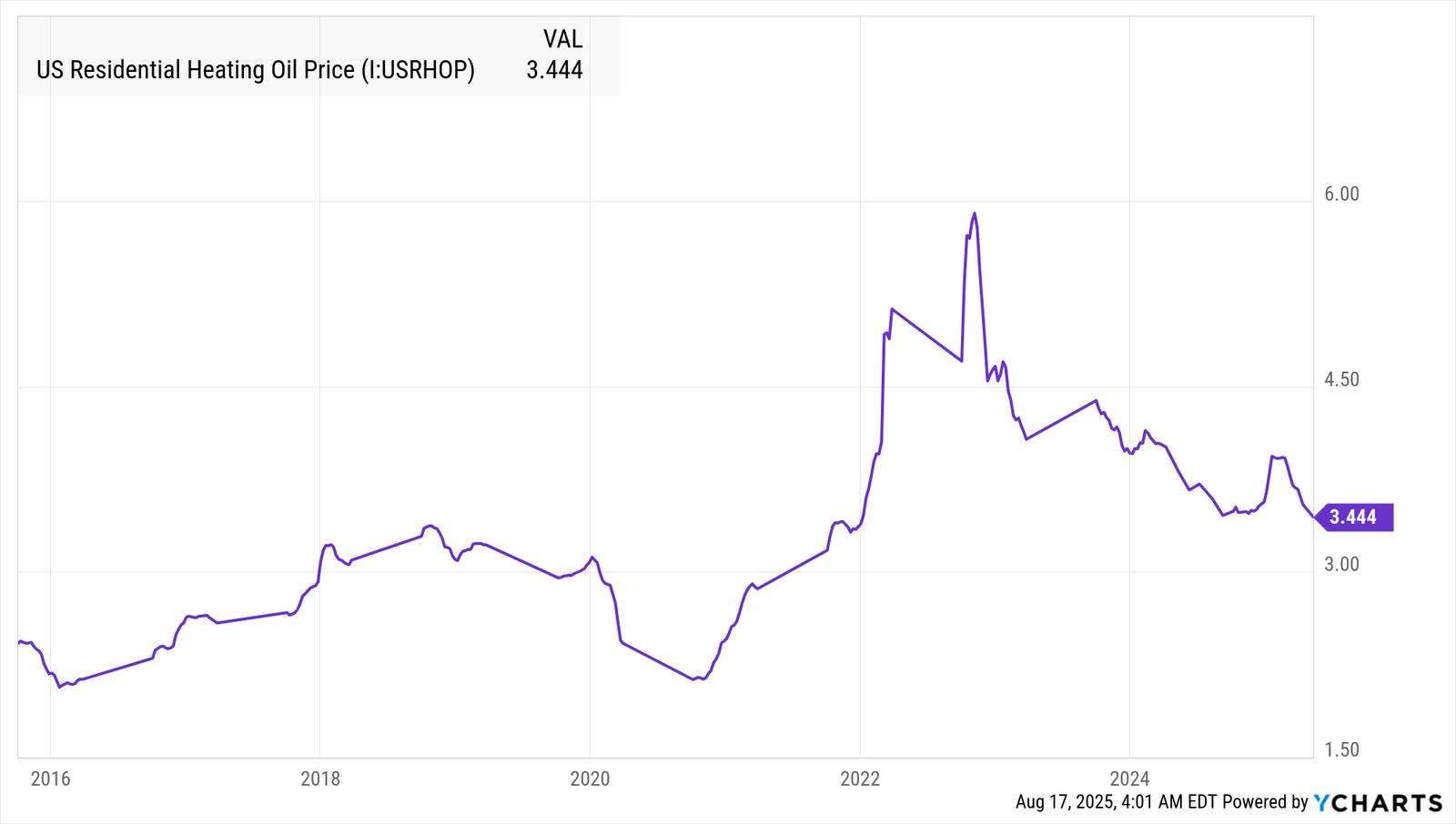
Are you worried about the rising cost of heating your home this winter? You’re not alone.
Many people are watching home heating oil prices closely, hoping for a break that could save them money. But the big question is: Are home heating oil prices coming down anytime soon? Understanding what influences these prices can help you plan better and keep your budget in check.
Keep reading to find out what’s really happening with heating oil costs and what it means for you and your family.

Credit: x.com
Current Home Heating Oil Prices
Home heating oil prices have been changing a lot this season. Many people want to know if prices will go down soon.
This article looks at recent price trends and the main factors that affect heating oil costs today.
Recent Price Trends
In the last few months, heating oil prices have moved up and down. Prices rose in early winter but started to fall in spring.
| Month | Average Price (per gallon) |
| January | $3.50 |
| February | $3.45 |
| March | $3.30 |
| April | $3.10 |
| May | $2.95 |
Factors Driving Prices Today
Several things affect home heating oil prices now. These include supply levels, demand, and global events.
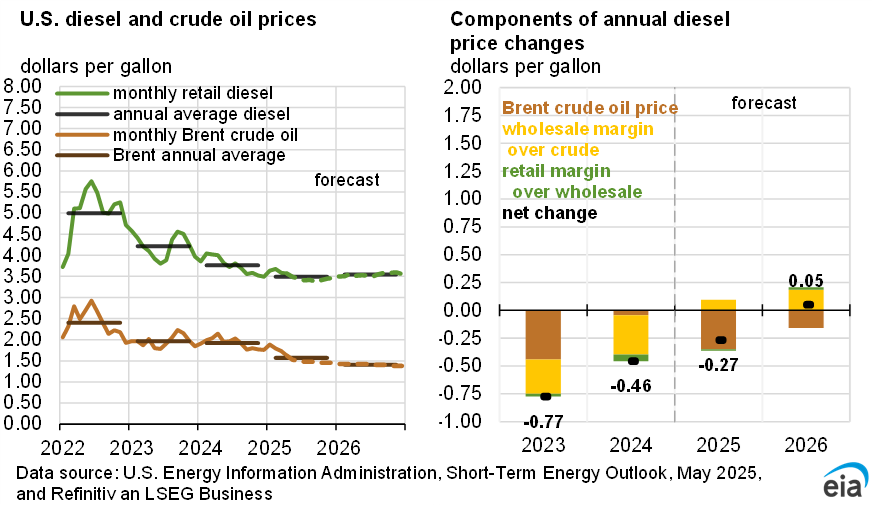
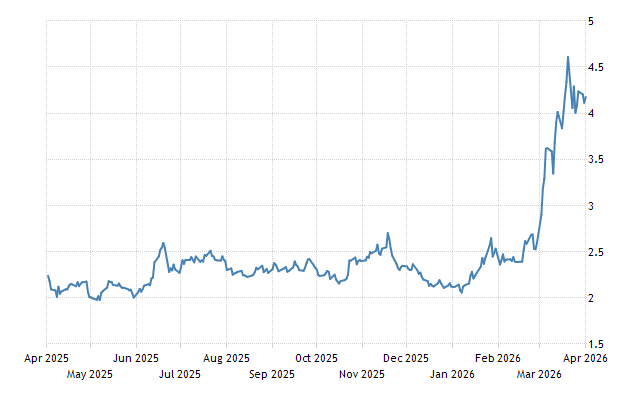
- Crude oil prices influence heating oil costs directly.
- Weather changes affect how much oil people use.
- Supply chain problems can raise prices by limiting oil availability.
- Government policies and taxes can increase or reduce costs.
- Global conflicts may disrupt oil production and shipping.
Impact Of Global Oil Markets
Home heating oil prices depend a lot on global oil markets. These markets change often because of many factors.
Understanding these changes helps us know if prices will go up or down soon.
Crude Oil Supply And Demand
The supply and demand for crude oil affect heating oil prices directly. When supply is low and demand is high, prices rise.
- High crude oil supply usually lowers heating oil prices.
- Increased demand can make prices go up quickly.
- Seasonal changes affect how much oil people need.
- Oil production cuts by countries reduce supply and raise prices.
Geopolitical Influences
Political events in oil-producing countries can change oil prices fast. Conflicts or sanctions may limit oil supply.
| Event | Effect on Oil Prices |
| War or conflict in oil regions | Prices increase due to supply risks |
| Trade sanctions | Reduce supply and raise prices |
| New oil agreements | May stabilize or lower prices |
| Political stability | Helps keep prices steady |
Seasonal Effects On Heating Oil Costs
Heating oil prices change with the seasons. Many factors cause these shifts.
Understanding these can help predict if prices will go down soon.
Winter Demand Patterns
Winter causes a rise in heating oil use. This higher demand pushes prices up.
- Cold weather increases home heating needs.
- More people buy heating oil at the same time.
- Supply may not rise as fast as demand.
- Strong demand can lead to price spikes.
Storage And Inventory Levels
Oil storage affects prices too. High inventory means prices may drop.
| Inventory Level | Price Impact |
| High | Prices tend to fall |
| Low | Prices usually rise |
| Stable | Prices stay steady |
Credit: www.eia.gov
Economic Indicators Affecting Prices
Home heating oil prices depend on many economic factors. These factors help explain why prices go up or down.
Understanding these indicators can help you see future price trends. Two main factors are inflation and currency changes.
Inflation And Energy Costs
Inflation means the general rise in prices over time. When inflation is high, energy costs usually increase too.
- Higher inflation raises the cost of producing and delivering oil.
- Suppliers pass these costs to consumers through higher prices.
- Inflation affects wages, increasing demand for heating oil.
- Energy companies adjust prices to keep up with inflation trends.
Currency Fluctuations
Heating oil is traded globally in U.S. dollars. Changes in currency value affect oil prices in local markets.
| Currency | Effect on Heating Oil Price |
| Stronger local currency | Lower local oil price |
| Weaker local currency | Higher local oil price |
| Stable currency | Stable oil price |
Technological And Environmental Factors
Home heating oil prices depend on many things. Technology and the environment play big roles.
New tools and energy sources can change how much heating oil costs. Understanding these helps us see price trends.
Advances In Heating Technology
Heating systems use less oil now because of better technology. Modern boilers and furnaces burn fuel more efficiently.
Smart thermostats help save energy by controlling heat carefully. This lowers oil use and cost for homeowners.
- High-efficiency boilers use less oil
- Smart controls reduce waste
- Better insulation keeps homes warm longer
Renewable Energy Alternatives
Solar and wind energy can heat homes without oil. Many people are switching to these cleaner options.
Using renewable energy lowers demand for heating oil. This can lead to lower prices over time.
- Solar water heaters reduce oil use
- Heat pumps run on electricity from clean sources
- Renewables reduce pollution and protect nature
Credit: tradingeconomics.com
Consumer Strategies To Manage Costs
Home heating oil prices can vary throughout the year. Understanding strategies can help manage costs effectively.
By planning your purchases and improving energy efficiency, you can save money and stay warm.
Buying In Bulk And Timing Purchases
Buying heating oil in bulk can reduce costs. Timing your purchase is also crucial to getting the best price.
- Monitor oil prices regularly to identify trends.
- Buy in bulk during off-peak seasons.
- Consider joining a buying group for bulk discounts.
Energy Efficiency Tips
Improving your home's energy efficiency can also help lower heating costs.
| Action | Estimated Savings |
| Seal windows and doors | Up to 10% |
| Install programmable thermostat | Up to 15% |
| Regular furnace maintenance | Up to 5% |
Future Price Predictions
Home heating oil prices can change quickly. Many factors affect these changes. Experts try to predict future prices to help consumers plan.
Understanding these predictions can guide your decisions. Let's explore what experts say and potential market shifts.
Expert Forecasts
Experts use data and trends to predict future oil prices. They consider global demand, supply levels, and economic conditions. These forecasts help consumers and businesses prepare for price changes.
- Global oil demand impacts price trends
- Production levels in major oil-producing countries
- Economic growth and its effect on energy consumption
Potential Market Shifts
Market shifts can lead to changes in heating oil prices. These shifts often arise from new technology or policy changes. Staying informed about these factors is crucial.
| Market Factor | Possible Impact |
| New energy policies | Could lower demand for oil |
| Technological advances | May reduce production costs |
| Geopolitical events | Can disrupt supply chains |
Frequently Asked Questions
Are Home Heating Oil Prices Expected To Decrease Soon?
Home heating oil prices may decline due to seasonal demand drops. Supply chain improvements and crude oil market trends also influence prices. Monitoring market updates helps predict future price changes accurately.
What Factors Influence Home Heating Oil Price Fluctuations?
Prices fluctuate based on crude oil costs, weather conditions, and supply-demand balance. Geopolitical events and refinery operations also impact heating oil prices significantly.
How Does Seasonal Change Affect Heating Oil Prices?
Heating oil prices typically rise in winter due to high demand. Prices often drop in spring and summer when demand lessens, offering potential savings.
Can Government Policies Impact Heating Oil Prices?
Yes, regulations, taxes, and subsidies can affect heating oil costs. Energy policies promoting alternatives may also influence market prices over time.
Conclusion
Home heating oil prices show signs of easing soon. Supply and demand affect prices daily. Weather changes also play a big role. Watching market trends helps predict future costs. Budgeting for heating now can avoid surprises later. Stay informed through trusted news and reports.
Small steps can help save energy and money. Keep an eye on prices before buying. Being prepared makes winter warmer and less costly.