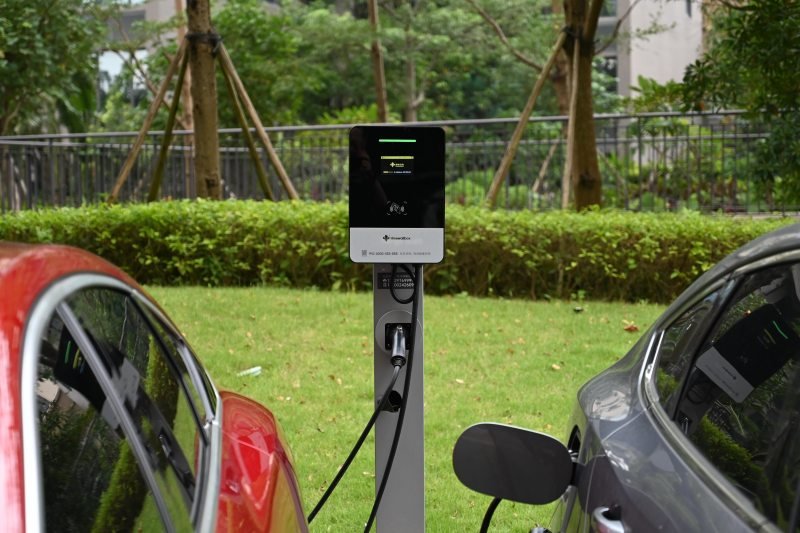
Are you curious about how your home EV charger really works? Understanding whether your charger uses AC or DC power can change the way you think about charging your electric vehicle.
It affects charging speed, efficiency, and even the cost. If you want to get the most out of your EV charging setup and avoid surprises, keep reading. This simple guide will clear up the confusion and help you make smarter choices for your home charging needs.

Credit: www.en-plustech.com
Types Of Home Ev Chargers
Home electric vehicle (EV) chargers come in different types. They vary by charging speed and power source.
Knowing the types helps you pick the right charger for your needs and car.
Level 1 Chargers
Level 1 chargers use standard household outlets. They provide AC power to the EV.
These chargers are slow and best for overnight charging or low daily driving.
- Use 120 volts AC power
- Charge rate around 2 to 5 miles per hour
- No special installation needed
Level 2 Chargers
Level 2 chargers use higher voltage AC power, usually 240 volts. They charge faster than Level 1.
These chargers often need professional installation and are common in homes.
- Use 240 volts AC power
- Charge rate from 10 to 60 miles per hour
- Require a dedicated circuit
Dc Fast Chargers
DC fast chargers deliver direct current (DC) power. They charge EVs very quickly.
These chargers are usually for public use and not common in homes due to cost and power needs.
- Provide DC power directly to the battery
- Charge rate up to 350 kW or more
- Can add hundreds of miles in minutes
Ac Chargers At Home
Many people wonder if home EV chargers use AC or DC power. Most home chargers provide AC power to the car. This type of charging is common and easy to use.
Understanding how AC charging works helps you choose the right charger for your needs. This article explains AC charging, its benefits, and installation details.
How Ac Charging Works
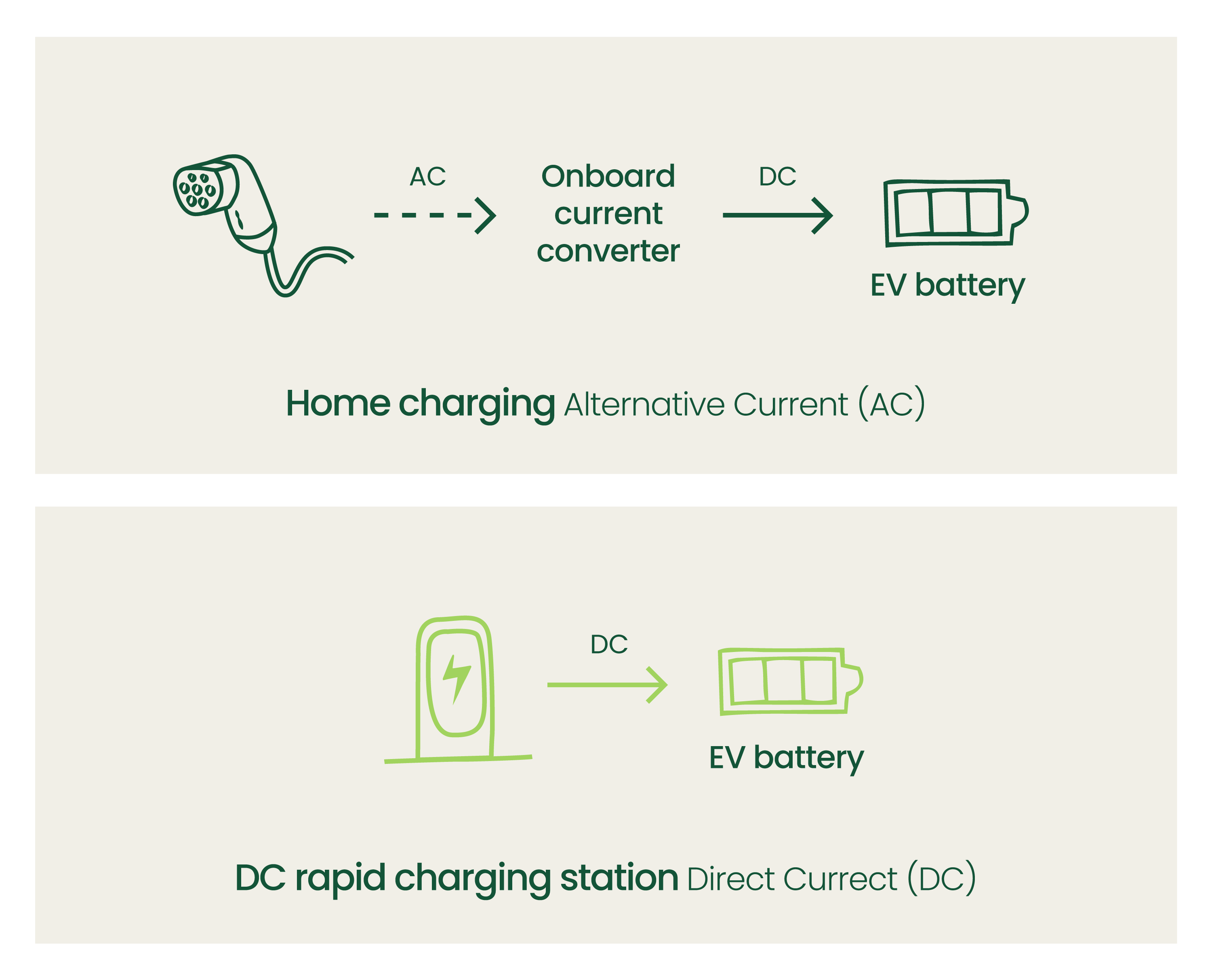
AC chargers supply alternating current to the electric vehicle. The car has a built-in charger that changes AC into DC. The battery stores DC power for driving.
The charging speed depends on the charger and the car’s built-in converter. AC charging is slower than DC fast charging but works well for home use.
Benefits Of Ac Chargers
AC chargers have several benefits for home charging. They are safe, easy to install, and cost-effective. Many EV owners use AC chargers daily.
- Lower cost compared to DC fast chargers
- Compatible with most electric vehicles
- Works well with home electrical systems
- Slower charging helps protect battery life
Installation And Compatibility
Installing an AC charger at home is simple. Most use a standard electrical outlet or a dedicated circuit. A professional electrician can help with setup.
AC chargers work with nearly all electric cars. The vehicle’s onboard charger controls the power input. Make sure your home electrical system supports the charger’s power needs.
Dc Chargers And Home Use
Many people wonder if home EV chargers use AC or DC power. Most home chargers use AC power. DC chargers are common in public places. They charge electric vehicles faster than AC chargers.
This article explains what DC charging means. It also talks about challenges of using DC chargers at home. Finally, it covers when DC chargers make sense for home use.
Dc Charging Basics
DC chargers send direct current (DC) power straight to the car’s battery. AC chargers send alternating current (AC) power to the car’s built-in charger. The car converts AC to DC to store energy.
DC chargers skip the car’s converter and supply DC power directly. This allows much faster charging speeds. That is why DC fast chargers are found at public stations.
- AC chargers use the car’s charger to convert power
- DC chargers provide power directly to the battery
- DC charging is faster but requires special equipment
Challenges Of Dc Chargers At Home
DC chargers need heavy and expensive equipment. They require high voltage and large power supplies. Most homes do not have this setup. Installing DC chargers at home can be costly.
Also, DC chargers generate more heat and need safety systems. They take up more space than AC chargers. These factors make DC chargers less common for home use.
- High cost of equipment and installation
- Need for high voltage power supply
- More space and cooling required
- Complex safety features needed
When Dc Chargers Make Sense
DC chargers make sense at home for some users. If you need very fast charging and have a large power supply, DC chargers can help. They work well for drivers with short charging times.
Some homes with strong electrical setups can support DC chargers. Also, businesses or homes with many electric cars may benefit from DC chargers. Otherwise, AC chargers are usually better for home use.
- Homes with high power electrical systems
- Users needing very fast charging
- Places with multiple electric vehicles
- Business or commercial home settings
Charging Speed Comparisons
Electric vehicle chargers use either AC or DC power. Both types affect how fast your car charges. Understanding their speed differences helps you choose the right charger.
Charging speed depends on the charger type and the vehicle’s system. This guide compares AC and DC charging speeds and explains factors that affect charging time.
Ac Vs Dc Charging Speeds
AC chargers deliver alternating current, which your car’s onboard charger converts to DC. This conversion limits charging speed.
DC chargers provide direct current straight to the battery. This method charges much faster than AC chargers.
| Charger Type | Power Output | Typical Charging Speed |
| AC Charger | 3.7 to 22 kW | 1 to 8 hours for full charge |
| DC Charger | 50 to 350 kW | 20 to 60 minutes for 80% charge |
Factors Affecting Charging Time
Charging speed changes based on several factors. These affect both AC and DC charging times.
- Battery size and capacity
- State of charge when starting
- Charger power rating
- Temperature and weather conditions
- Vehicle’s onboard charger limits
Knowing these factors helps you understand why charging times vary. It also guides you on which charger type suits your needs.
Cost Considerations
Understanding the costs of home EV chargers is important before buying. The type of charger, AC or DC, affects the price and expenses over time.
This guide explains installation costs, operating costs, and long-term savings for both AC and DC home chargers.
Installation Costs
AC chargers are usually cheaper to install. They use your home's existing electrical system. Many homes can add AC chargers without big changes.
DC chargers need special wiring and equipment. This makes installation more costly. You may need upgrades to your electrical panel.
- AC charger installation: $500 to $1,500
- DC charger installation: $3,000 to $7,000
- Additional electrical work raises costs
Operating Costs
Operating costs depend on electricity rates and charger efficiency. AC chargers use less power per hour but take longer to charge.
DC chargers charge faster but use more electricity in a short time. This can lead to higher electric bills if used often.
- AC chargers have lower hourly power use
- DC chargers use more power quickly
- Electric rates affect total cost
Long-term Savings
AC chargers cost less upfront and have lower installation fees. They save money if you charge overnight and do not need fast charging.
DC chargers save time and are good for frequent fast charging. They may save money on time but cost more in electricity and installation.
- AC chargers are cheaper to buy and install
- DC chargers save charging time
- Choose based on your charging habits

Credit: ensolevsolutions.com
Choosing The Right Charger
Choosing the right home EV charger can seem tricky. It's important to make sure it meets your needs.
Consider factors like vehicle compatibility and your home electrical setup. This guide will help you decide.
Assessing Your Needs
Think about how often you drive your car. Charging speed matters if you need a quick turnaround.
- Daily commuters may need faster charging
- Occasional drivers might prefer a slower, cheaper charger
- Eco-conscious users can look for energy-efficient options
Vehicle Compatibility
Your car model determines the type of charger you need. Check your vehicle's manual for details.
| Car Model | Required Charger Type |
| Model X | Level 2 AC Charger |
| Model Y | DC Fast Charger |
| Model Z | Level 1 Charger |
Home Electrical Setup
Before buying, check your home's electrical system. It must support the charger's power needs.
Future Trends In Home Ev Charging
Home EV chargers are becoming common as more people buy electric cars. These chargers can be AC or DC. Let's explore the future trends in home EV charging.
With new technologies emerging, home charging is becoming smarter. There are also efforts to integrate with the grid for better efficiency.
Emerging Technologies
New technologies are making home EV chargers better. Wireless charging is one such technology. It allows cars to charge without cables.
Fast charging options are also improving. These chargers can power a car in less time. This makes charging at home more convenient.
- Wireless charging pads
- Faster charging speeds
- Durable charger materials
Smart Charging Solutions
Smart charging solutions are becoming popular. These chargers can be controlled using mobile apps. Users can schedule charging times to save on electricity costs.
Smart chargers can also adjust charging speed. This helps in balancing energy use at home. It ensures other appliances can work without issues.
- Mobile app control
- Scheduled charging
- Energy use balancing
Grid Integration
Integrating home chargers with the grid is a key trend. This allows chargers to use renewable energy sources. It is better for the environment.
Grid integration also helps in load management. It ensures that the grid is not overloaded during peak times. This makes electricity supply more reliable.
- Use of renewable energy
- Load management
- Improved grid reliability
Credit: evec.co.uk
Frequently Asked Questions
Are Home Ev Chargers Ac Or Dc?
Most home EV chargers supply AC power. They convert AC from your home to DC for your car's battery.
Can Home Chargers Provide Dc Fast Charging?
Typically, home chargers do not offer DC fast charging. DC fast chargers are usually found in public charging stations.
Why Do Home Ev Chargers Use Ac Instead Of Dc?
Home EV chargers use AC because it matches home power supply. The car’s onboard converter changes AC to DC for charging.
How Does Ac Charging Affect Charging Speed At Home?
AC charging is slower due to onboard converter limits. DC fast charging bypasses this, enabling quicker battery charging.
Conclusion
Home EV chargers use both AC and DC power types. AC chargers supply alternating current to the car’s onboard charger. DC chargers send direct current straight to the battery for faster charging. Choosing the right charger depends on your needs and vehicle type.
Understanding the difference helps you charge smarter and safer. Keep this in mind when setting up your home charging station. Simple knowledge makes electric car ownership easier and more efficient.