Are you curious about how your home charger really works? When you plug in your device, is it using AC or DC power?
Understanding this simple fact can save you time, protect your gadgets, and even help you make smarter choices about charging. You’ll discover the difference between AC and DC chargers, why it matters to you, and how to make sure your home charger is doing its job safely and efficiently.
Keep reading—your devices will thank you!
Home Charger Basics
Home chargers provide power to electric vehicles. They come in different types and use different technologies.
Understanding how they work helps you choose the right charger for your needs.
Types Of Chargers
Home chargers mainly use two types of current: alternating current (AC) and direct current (DC). Each type has its features and uses.
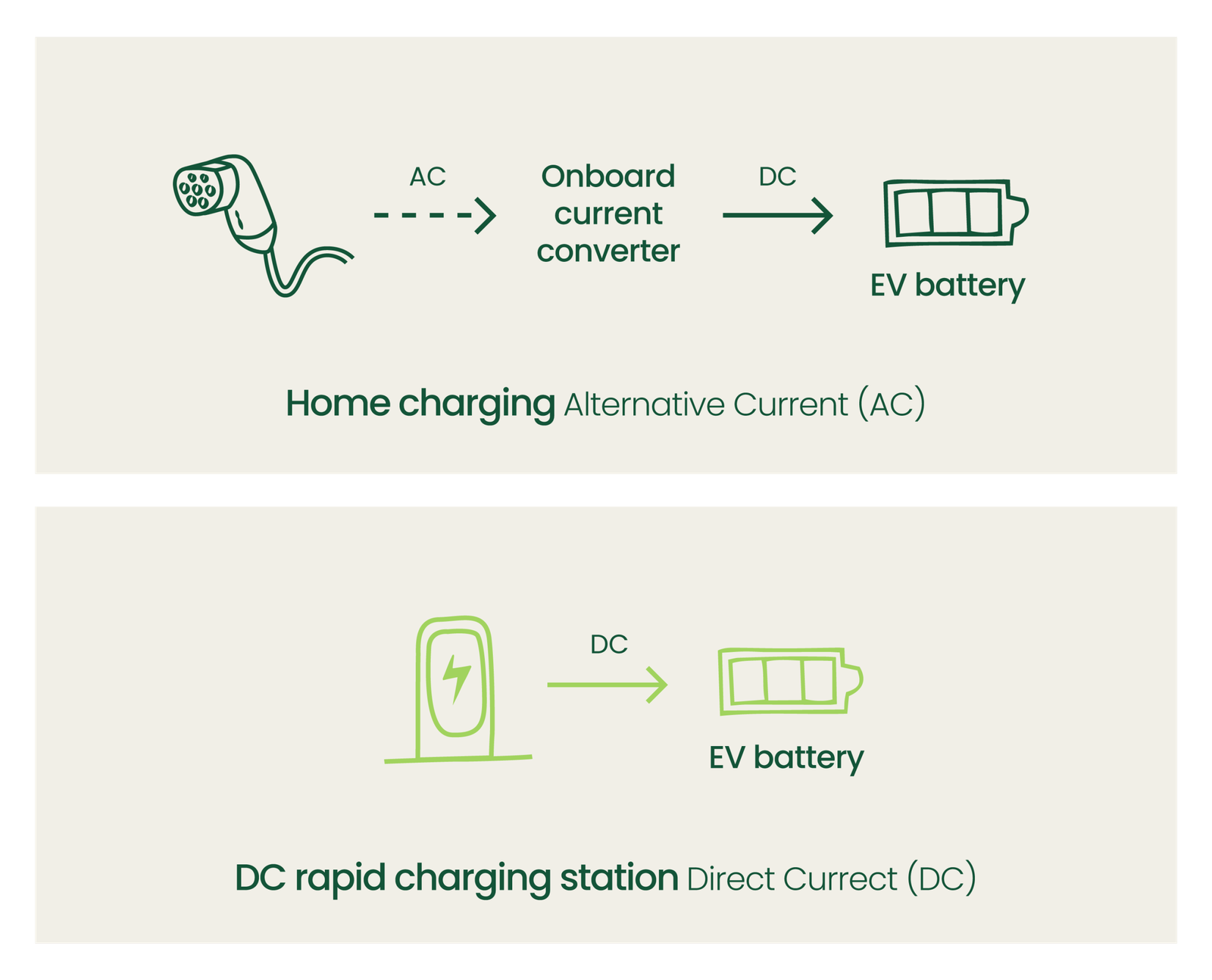
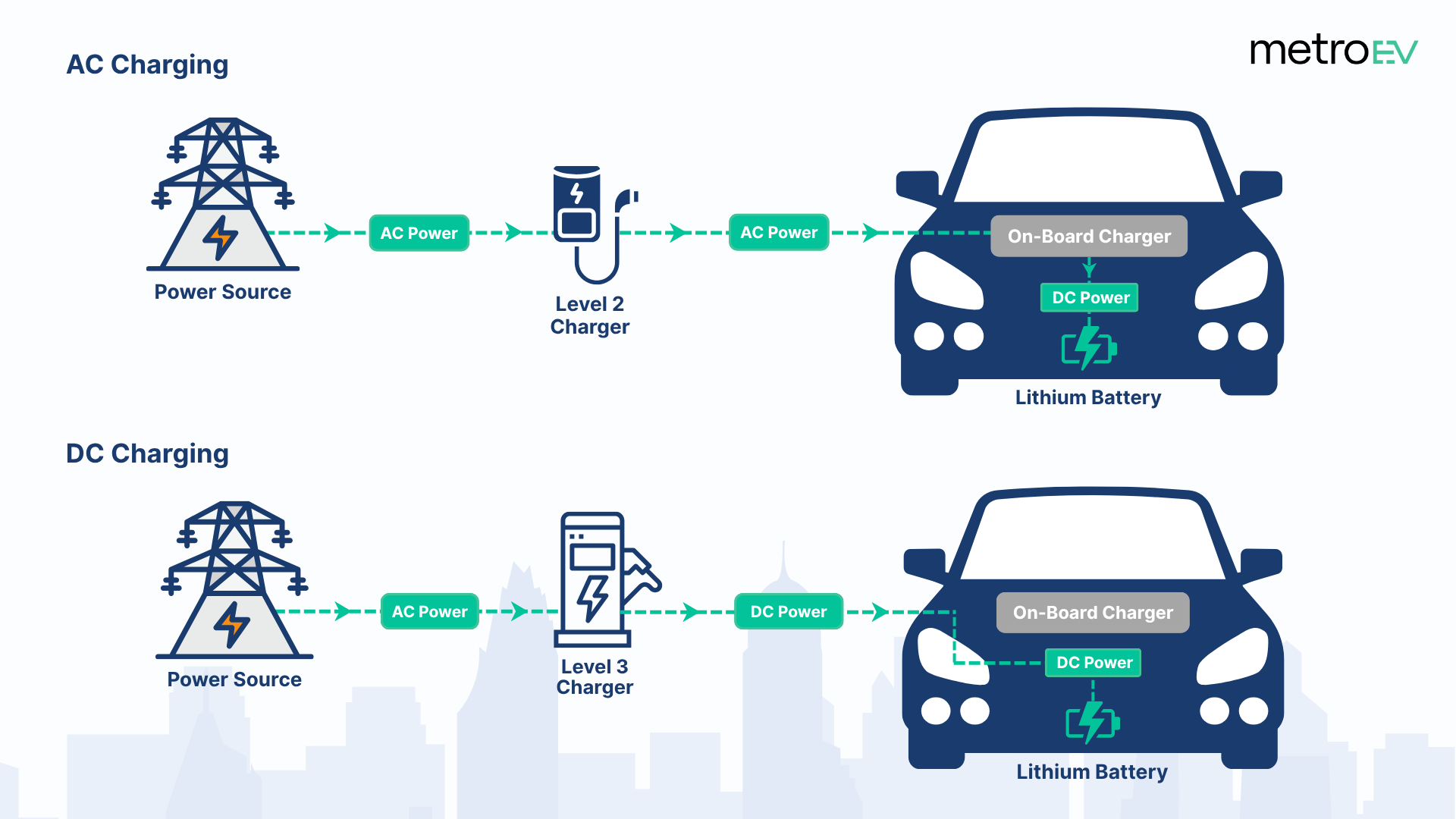
- AC Chargers:These chargers convert AC power from your home into DC power inside the car. They are slower but simpler and cheaper.
- DC Chargers:These chargers provide DC power directly to the car’s battery. They charge faster but are more expensive and complex.
How Chargers Work
Chargers send electricity from the power source to the car’s battery. The process depends on the type of charger and the car’s system.
| Step | AC Charger Process | DC Charger Process |
| 1 | Power comes from home outlet as AC | Power comes from a special DC station |
| 2 | Car’s onboard charger converts AC to DC | Charger sends DC power directly to battery |
| 3 | Battery stores DC electricity | Battery stores DC electricity |
| 4 | Charging speed depends on onboard charger size | Charging speed depends on charger output |
Credit: www.pilotenergystorage.com
Ac Chargers Explained
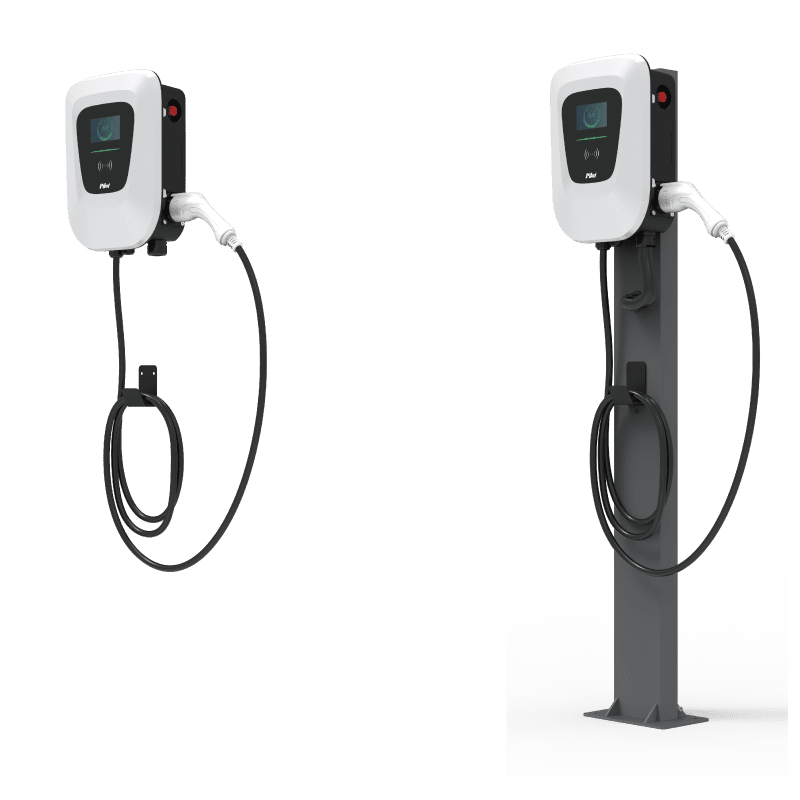
AC chargers are common devices used to charge electric vehicles at home. They use alternating current to supply power. These chargers convert AC power from your home into a form your vehicle can use.
Understanding AC charger features helps you know how they work and why they are suitable for home use. These chargers are easy to install and safe for everyday charging.
Ac Charger Features
AC chargers connect to your home’s electrical system. They deliver power at a lower voltage compared to DC chargers. This keeps the charging process slow but steady.
- Use alternating current (AC) from your home supply
- Include safety features like circuit breakers
- Have built-in communication with the vehicle
- Offer slower charging speed than DC chargers
- Are easier to install and more affordable
Common Uses At Home
AC chargers are popular for home use because they fit well with daily routines. They charge vehicles overnight or during the day with no rush. They are practical for most electric car owners.
| Use Case | Description |
| Overnight Charging | Charge your vehicle while you sleep for a full battery in the morning. |
| Daily Commutes | Top up your car during the day to keep it ready for short trips. |
| Cost Efficiency | Use off-peak electricity rates to save money on charging costs. |
| Simple Installation | Set up a charger in your garage or driveway with minimal effort. |
Dc Chargers Explained
DC chargers provide direct current to electric vehicles. They charge batteries faster than AC chargers.
Understanding DC chargers helps you know when and why to use them.
Dc Charger Features
DC chargers convert AC power from the grid to DC power for the battery. This allows quick charging without onboard conversion.
- Provide high power output, often over 50 kW
- Use specialized connectors for fast charging
- Bypass vehicle’s onboard charger to save time
- Include safety features to prevent overcharging
- Offer rapid charging, sometimes in under 30 minutes
When To Use Dc Chargers
DC chargers work best for quick battery replenishment. Use them when you need fast charging on the go.
| Situation | Reason to Use DC Charger |
| Long trips | Charge quickly during short stops |
| Public charging stations | Reduce wait time for next driver |
| Low battery | Restore range faster than AC |
| Fleet vehicles | Keep vehicles on the road longer |
Comparing Ac And Dc Chargers
Home chargers for electric vehicles come in two types: AC and DC. Each type works differently and suits different needs.
This article explains the key differences between AC and DC chargers for home use.
Charging Speed Differences
AC chargers supply alternating current to your car’s onboard charger. This process is slower because the car converts AC to DC inside.
DC chargers send direct current straight to the battery. This allows faster charging without onboard conversion limits.
- AC chargers usually provide 3 to 22 kW power.
- DC chargers can deliver 50 kW or more.
- Faster charging means less time plugged in.
Cost And Installation
AC chargers are simpler and cheaper to install at home. They use standard electrical wiring and require less equipment.
DC chargers cost more and need special high-voltage wiring. Installation is complex and usually done by professionals.
| Type | Installation Cost | Complexity |
| AC Charger | Low to Moderate | Simple |
| DC Charger | High | Complex |
Safety Considerations
Both AC and DC chargers have safety features to protect users and vehicles.
Key safety points include:
- Automatic shutoff if a fault is detected
- Ground fault protection to avoid shocks
- Temperature monitoring to prevent overheating
Choosing The Right Charger
Deciding between AC or DC home chargers depends on several factors. Understanding your needs helps pick the best option.
We will look at your vehicle, home electrical setup, and budget to guide your choice.
Assessing Your Vehicle Needs
Check your electric vehicle’s charging capability. Some cars only support AC charging at home.
Fast charging with DC is useful for quick top-ups but may not be necessary daily.
- Look at your car’s max AC and DC charging rates.
- Consider how often you drive long distances.
- Think about charging speed needs for daily use.
Evaluating Home Electrical Setup
Check your home’s electrical capacity before choosing a charger. AC chargers need less power than DC chargers.
Some homes may require electrical upgrades to handle DC fast charging safely.
- Review your main electrical panel and circuit limits.
- Consult with an electrician about installation needs.
- AC chargers usually work with standard home wiring.
- DC chargers may require special connections and permits.
Budget And Future Proofing
Set a budget for your charger installation. AC chargers generally cost less than DC chargers.
Think about your future needs if you plan to upgrade your vehicle or charging habits.
- AC chargers are cheaper to buy and install.
- DC chargers offer faster charging but cost more.
- Plan for your car’s charging speed and how it may change.
- Choose a charger that fits your budget and future plans.
Credit: www.metroev.ca
Installation Tips
Home chargers for electric vehicles can be installed with AC or DC power. Installing them properly ensures efficiency and safety.
Consider whether you will install the charger yourself or hire a professional. This decision impacts cost, time, and safety.
Professional Vs Diy
Installing a home charger can be done by yourself or by a professional. Each option has its own benefits and challenges.
- Professional installation ensures the job is done correctly and safely.
- DIY installation can save money, but requires knowledge and skills.
- Consider local regulations before attempting a DIY installation.
Location And Accessibility
The location of your charger affects its convenience and usability. Think about where to place it for easy access.
Consider these factors when choosing a location:
- Proximity to the parking area
- Length of the charging cable
- Ease of access for plugging in and unplugging
- Protection from weather conditions
| Factor | Importance |
| Proximity | High |
| Cable Length | Medium |
| Weather Protection | High |
Maintaining Your Charger
Keeping your home charger in good condition is important. Regular maintenance ensures it works safely and efficiently.
Here are some tips for routine checks and troubleshooting common issues with your AC or DC home charger.
Routine Checks
Regular checks help you catch problems early. This keeps your charger running smoothly.
- Inspect cables for wear and tear
- Ensure connectors are clean and dry
- Check for any unusual noises during charging
Troubleshooting Common Issues
Sometimes, chargers face issues. Knowing how to troubleshoot can save time and money.
| Issue | Solution |
| Charger not turning on | Check power supply and connections |
| Slow charging | Ensure correct voltage and settings |
| Overheating | Allow charger to cool before reuse |

Credit: www.en-plustech.com
Frequently Asked Questions
Are Home Chargers Ac Or Dc?
Home chargers typically use AC power from your wall outlet. They convert AC to DC inside the electric vehicle for battery charging. Direct DC chargers are usually found in public fast-charging stations, not at home.
Can I Use A Dc Charger At Home?
Most home chargers do not support DC charging. DC chargers are expensive and require special installation. Home setups usually rely on AC chargers, which are safer and more cost-effective for daily use.
Why Do Home Chargers Use Ac Instead Of Dc?
Home chargers use AC because residential power supply is AC. Electric vehicles convert AC to DC internally. This approach is simpler, safer, and reduces the cost of home charging equipment.
How Fast Are Ac Home Chargers Compared To Dc Chargers?
AC home chargers charge slower than DC fast chargers. AC chargers provide 3 to 22 kW power, suitable for overnight charging. DC chargers offer 50 kW or more, enabling rapid battery replenishment on the go.
Conclusion
Home chargers mostly use AC power to charge electric vehicles. They convert AC from your home into DC for the car’s battery. This process happens inside the charger or the car itself. Knowing this helps you understand charging speed and equipment needs.
Choosing the right charger depends on your car and daily use. Simple home setups work well with AC chargers. Fast DC chargers are usually for public stations, not homes. Understanding these basics makes charging easier and more efficient.