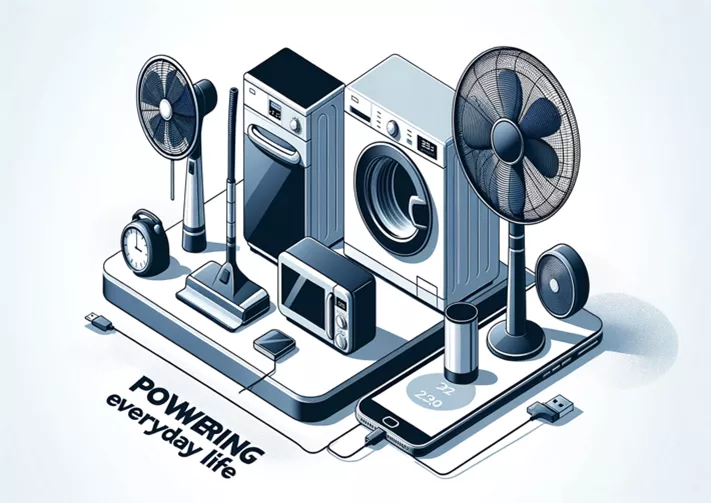
Have you ever wondered if your home appliances run on AC or DC power? It’s a simple question but the answer can change how you think about the devices you use every day.
Knowing whether your appliances use alternating current (AC) or direct current (DC) can help you make smarter choices when buying, maintaining, or even troubleshooting them. Stick with me, and I’ll clear up the mystery so you can understand exactly what powers your home and why it matters to you.
Home Appliance Power Basics
Home appliances need electricity to work. They use either AC or DC power.
Understanding the type of power helps you know how appliances work.
Ac Vs Dc Current
AC means alternating current. It changes direction many times per second.
DC means direct current. It flows in one direction only.
- AC is used for most home power outlets.
- DC is common in batteries and some small devices.
- Many appliances use AC but convert it to DC inside.
Common Power Sources At Home
Homes get power mainly from the electric grid, which supplies AC.
Some appliances also use batteries that provide DC power.
- Wall outlets supply AC power at about 120 or 240 volts.
- Batteries in devices like remotes and cordless tools give DC power.
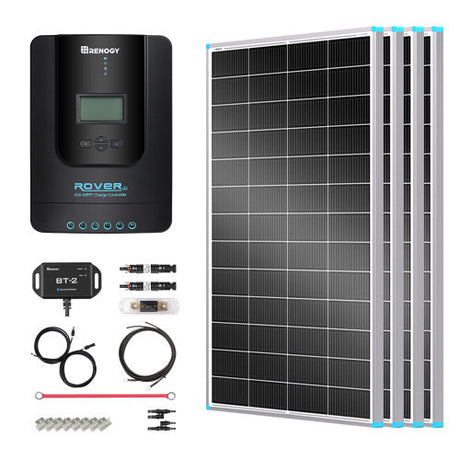
- Solar panels produce DC power that can convert to AC for home use.

Credit: www.ecoflow.com
Types Of Home Appliances By Power
Home appliances use different types of power to work. Some use AC power, while others use DC power. Some appliances combine both types to operate efficiently.
Understanding the type of power your appliance uses helps with installation and maintenance. It also affects where and how you can use the appliance.
Ac-powered Appliances
AC-powered appliances use alternating current from your home electricity supply. This power type changes direction many times per second. Most large and fixed appliances work with AC power.
- Refrigerators
- Washing machines
- Microwave ovens
- Air conditioners
- Electric ovens
Dc-powered Appliances
DC-powered appliances use direct current, which flows in one direction. These appliances often run on batteries or solar power. They are common in portable and small devices.
| Appliance | Power Source | Common Use |
| Flashlight | Battery (DC) | Portable lighting |
| Rechargeable vacuum | Battery (DC) | Cleaning without cords |
| Solar garden lights | Solar panels (DC) | Outdoor lighting |
Hybrid Appliances
Hybrid appliances use both AC and DC power. They switch between power types for better efficiency and flexibility. These appliances work well in homes with solar panels or backup batteries.
Examples of hybrid appliances include:
- Solar refrigerators that run on AC or solar DC power
- Smart home systems using grid AC and battery backup DC
- Hybrid water heaters with electric and solar options
Why Most Appliances Use Ac
Home appliances mostly use alternating current (AC) instead of direct current (DC). This is because AC fits well with how electricity is delivered to homes. AC power is easy to change into different voltages.
Using AC helps appliances work better and saves energy. Many devices are built to run on AC because it is the common type of electricity in houses.
Power Distribution Efficiency
AC power travels long distances with less energy loss. This happens because AC voltage can change using transformers. High voltage reduces energy lost in wires.
Lower energy loss means cheaper and more efficient power delivery. Appliances get steady power without waste.
- AC voltage changes easily with transformers
- High voltage means less energy lost in wires
- Efficient power delivery to homes
- Stable power for appliances
Compatibility With Electrical Grid
The electrical grid uses AC power to supply homes and businesses. Appliances need to match this power to work correctly. Using AC keeps appliances simple and safe.
DC appliances need extra parts to convert AC to DC. This can add cost and lower efficiency. Using AC directly avoids these problems.
- The grid supplies AC power
- Appliances match grid power type
- AC appliances avoid extra converters
- Simpler design and better efficiency
Credit: www.renogy.com
When Dc Is Used In Home Appliances
Home appliances mainly use AC power from the wall outlet. Still, some devices need DC power to work. This is because DC power flows in one direction, unlike AC that changes direction.
DC is often used inside appliances with batteries or solar panels. These sources produce DC electricity, so the appliance runs on DC or converts it for use.
Battery-powered Devices
Many home devices run on batteries, which supply DC power. Common battery-powered appliances include flashlights, remote controls, and cordless tools.
- Flashlights use DC to power the light bulb or LED.
- Remote controls use small batteries to send signals.
- Cordless tools run on rechargeable DC batteries for mobility.
- Electric toothbrushes charge and operate on DC power.
Solar-powered Appliances
Solar panels create DC electricity from sunlight. Appliances designed for solar power use DC directly or store it in batteries.
| Appliance | Use of DC Power |
| Solar lights | Run directly on DC from solar cells |
| Solar chargers | Store DC in batteries to charge devices |
| Solar water heaters | Use DC pumps for water circulation |
| Solar fans | Operate with DC motors powered by solar cells |
Converters And Adapters In Appliances
Home appliances use both AC and DC power to run different parts. Most homes supply AC power, but many appliance components work on DC power. Converters and adapters help change power from AC to DC or DC to AC.
These devices allow appliances to work safely and efficiently. Understanding how converters work helps explain why some appliances use AC or DC power.
Ac To Dc Conversion
Most home appliances plug into AC power from the wall. Inside, they often need DC power. A converter called a rectifier changes AC into DC. This process is important for electronics like TVs and computers.
Rectifiers use diodes to let current flow only one way. This creates DC power from the AC input. After conversion, the DC power runs the appliance’s circuits safely.
- AC power comes from the electrical outlet
- Rectifier converts AC to DC
- Diodes allow current flow in one direction
- DC power runs electronic parts
Dc To Ac Conversion
Some appliances have batteries or solar panels that produce DC power. These appliances may need AC power to work with other devices or motors. An inverter converts DC into AC power.
Inverters use electronic switches to create AC current. This allows appliances to use AC power even when the original source is DC. This conversion is common in solar-powered systems and battery backups.
- DC power comes from batteries or solar panels
- Inverter changes DC to AC power
- Electronic switches create alternating current
- AC power runs motors and other devices
Safety And Maintenance Tips
Home appliances use either AC or DC power. Safety is key when using these devices. Proper maintenance ensures they last longer and work efficiently.
Understanding the difference between AC and DC appliances is important. It helps in handling them safely and maintaining their performance.
Handling Ac Appliances
AC appliances are common in homes. They include refrigerators, washing machines, and microwaves. Safety when using these devices is crucial.
Ensure cords are not frayed and plugs are inserted fully. Avoid using appliances with wet hands to prevent electric shocks.
- Unplug when not in use
- Keep away from water sources
- Ensure proper ventilation
Care For Dc Devices
DC devices are becoming popular. They include laptops, mobile phones, and some LED lights. Handling these devices requires care.
Charge devices with the correct charger. Overcharging can reduce battery life. Store them in a cool, dry place to avoid damage.
- Use original chargers
- Avoid extreme temperatures
- Keep devices clean and dust-free
Future Trends In Appliance Power
Home appliances are evolving with new power trends. The focus is on efficiency and sustainability.
Understanding these trends helps consumers make better choices. Learn about the rise of DC appliances and their integration with renewable energy.
Rise Of Dc Appliances
DC appliances are becoming more popular. They use direct current for better energy efficiency.
Many appliances now run on DC power, reducing energy loss. This trend is growing in homes worldwide.
- DC appliances work well with solar power
- They are quieter and more efficient
- Reduced energy loss compared to AC appliances
Integration With Renewable Energy
Renewable energy sources like solar and wind are on the rise. Appliances are adapting to use these energy types.
Using renewable energy with appliances reduces carbon footprint. It also lowers electricity bills over time.
- Solar panels power DC appliances directly
- Wind energy can be stored and used efficiently
- Battery systems store renewable energy for later use
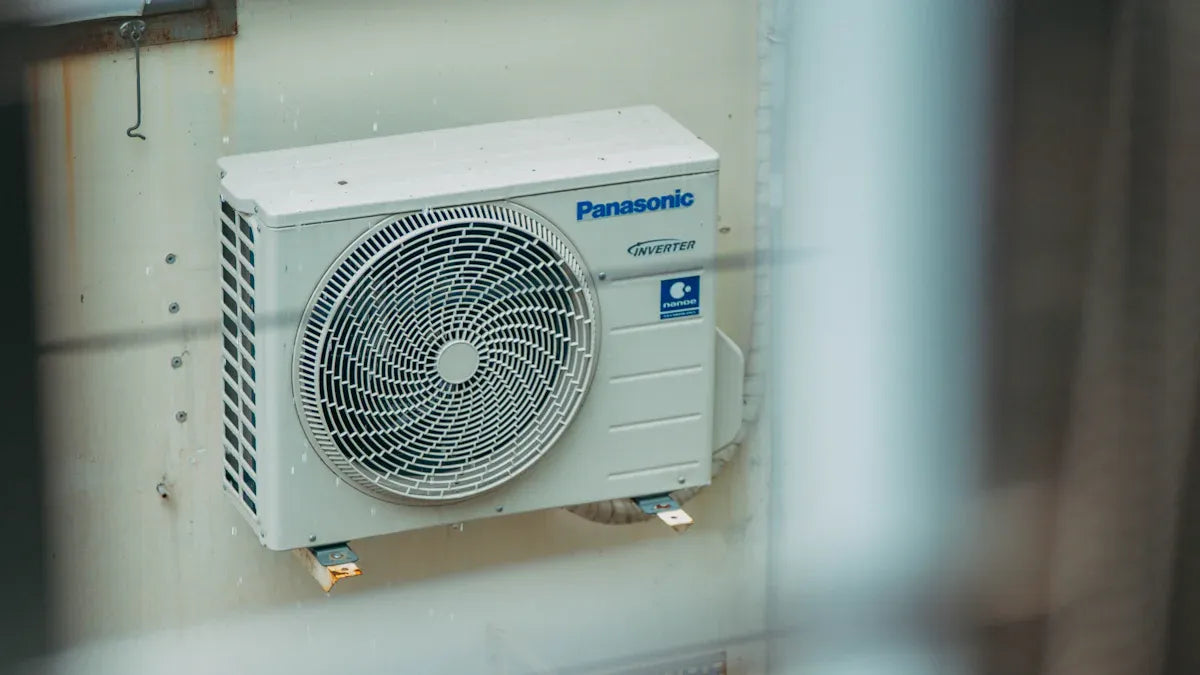
Credit: rackorapro.com
Frequently Asked Questions
Are Home Appliances Powered By Ac Or Dc?
Most home appliances run on AC (alternating current) from wall outlets. However, some devices internally convert AC to DC for operation.
Why Do Home Appliances Use Ac Power Mostly?
AC power is easier to transmit over long distances. It also powers most household electrical systems efficiently and safely.
Do Any Home Appliances Operate Directly On Dc Power?
Few home appliances use DC directly, such as battery-powered gadgets or solar-powered devices. Most convert AC to DC internally.
How Is Ac Converted To Dc Inside Appliances?
Appliances use rectifiers or power adapters to convert AC to DC. This conversion powers electronic components safely and reliably.
Conclusion
Home appliances mainly use alternating current (AC) power from the outlet. Some parts inside may convert AC to direct current (DC) for specific functions. Understanding this helps you know how appliances work safely and efficiently. Knowing the difference between AC and DC can improve your appliance care.
Always use the right power type to avoid damage. This simple knowledge makes your daily life easier and safer.