Are you wondering if the AC gauges you use at home are the same as the ones needed for your car? It’s a common question that many people face when dealing with air conditioning repairs or maintenance.
Knowing the difference can save you time, money, and frustration. You’ll discover what sets home and auto AC gauges apart, why it matters, and how to choose the right tool for your needs. Keep reading to make sure you get the job done right the first time.
Types Of Ac Gauges
AC gauges help measure pressure in air conditioning systems. They show if the system works well or needs fixing.
There are different gauges for home and auto AC systems. Each type fits the needs of the system it tests.
Home Ac Gauges
Home AC gauges check the pressure in residential air conditioners. They help maintain cooling efficiency.
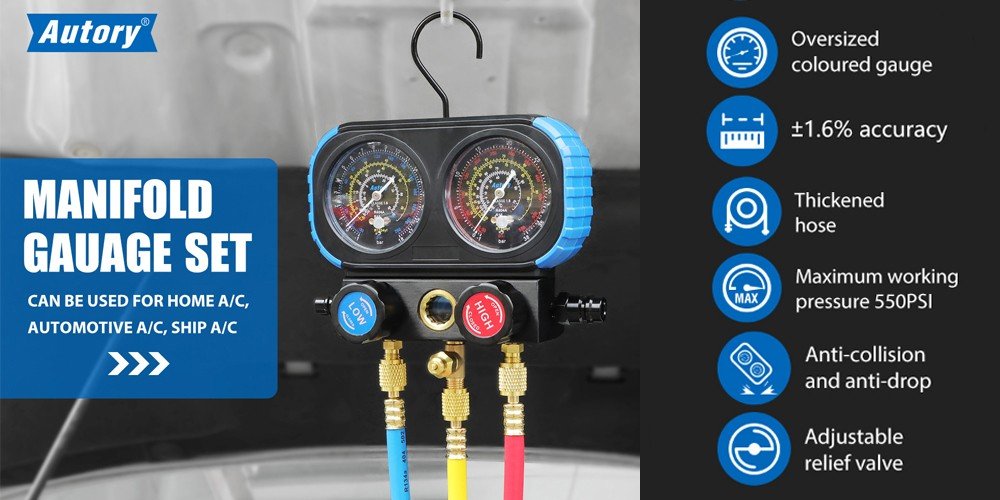
These gauges usually measure low and high pressure in the system. They come with hoses and valves for easy use.
- Low-pressure gauge shows suction side pressure
- High-pressure gauge displays discharge side pressure
- Used to add or remove refrigerant
- Helps find leaks or blockages
Auto Ac Gauges
Auto AC gauges measure pressure in car air conditioners. They help fix cooling problems in vehicles.
Auto gauges are often smaller and designed for car systems. They also have low and high-pressure sides for testing.
- Low-pressure gauge checks suction line pressure
- High-pressure gauge measures discharge line pressure
- Used to recharge car AC refrigerant
- Helps detect leaks and system faults

Credit: www.amazon.ae
Design And Build Differences
Home and auto AC gauges look similar but have different designs. These differences help them work better in their specific tasks.
The design affects how easy they are to use and how long they last.
Size And Portability
Auto AC gauges are usually smaller. They need to fit in tight spaces under a car's hood. This makes them easy to carry and use on the go.
Home AC gauges are often bigger. They do not need to be as portable because they stay near the HVAC system in a home.
- Auto gauges: compact and lightweight
- Home gauges: larger and less portable
Material And Durability
Auto AC gauges are made with tough materials. They must resist drops and rough use in garages or outdoors.
Home AC gauges use materials suited for indoor use. They focus on accuracy and may not be as rugged as auto gauges.
- Auto gauges: durable, shock-resistant materials
- Home gauges: precise but less rugged
Measurement Scales And Units
Home and auto AC gauges measure pressure and temperature in cooling systems. They use different scales and units for these measurements. Understanding these differences helps in using the right gauge for each system.
Both types of gauges show pressure in pounds per square inch (PSI) and temperature in degrees. But the range and scale marks vary based on the system they serve.
Pressure Range
Home AC gauges usually measure lower pressure levels compared to auto AC gauges. Home systems run at lower PSI because they cool larger spaces with less pressure.
Auto AC gauges show higher pressure ranges. Car AC systems need to handle higher pressures due to engine heat and smaller cooling space.
- Home AC gauges: Typically 0 to 500 PSI
- Auto AC gauges: Often 0 to 800 PSI or higher
Temperature Indicators
Temperature indicators on home AC gauges focus on the refrigerant temperature for safe operation. They often use degrees Fahrenheit or Celsius.
Auto AC gauges show temperature related to engine and refrigerant conditions. They use similar units but may have more detailed markings for vehicle needs.
| Gauge Type | Temperature Units | Purpose |
|---|---|---|
| Home AC | °F and °C | Check refrigerant temperature |
| Auto AC | °F and °C | Monitor refrigerant and engine heat |

Credit: www.mechanicaddicts.com
Compatibility With Refrigerants
Home and auto AC gauges often look similar, but they are not always the same. One big difference is their compatibility with refrigerants. Each system uses different types of refrigerants, so the gauges must work with those specific chemicals.
Using the wrong gauge for a refrigerant can cause inaccurate readings or damage the equipment. It is important to know which refrigerants are common in home AC and auto AC systems.
Common Refrigerants In Home Ac
Home air conditioners mostly use modern refrigerants that are safer for the environment. These refrigerants have replaced older ones that harmed the ozone layer.
- R-410A is the most common refrigerant in new home AC units.
- R-22 was used before but is now being phased out.
- R-134a is sometimes found in older home systems.
Gauges for home AC must be compatible with these refrigerants to give correct pressure readings and avoid leaks.
Refrigerants Used In Auto Ac
Auto air conditioners use different refrigerants than home systems. These refrigerants handle the heat and pressure inside vehicles.
- R-134a is the most common refrigerant for auto AC systems.
- Newer cars are switching to R-1234yf, which is more eco-friendly.
- Older vehicles might still use R-12, but it is rarely used now.
Auto AC gauges must match these refrigerants to work properly and avoid damage to the car’s cooling system.
Usage And Application
Home and auto AC gauges look similar but have different uses. They help check pressure in air conditioning systems.
Each gauge works best for its own system. Using the wrong gauge can cause incorrect readings and damage.
Home Ac Maintenance
Home AC gauges measure refrigerant pressure in cooling units. They help find leaks and check system health.
These gauges use specific scales for home refrigerants. They connect to service ports on the indoor or outdoor unit.
- Check low and high pressure sides of the system
- Detect leaks or blockages in pipes
- Ensure proper refrigerant levels for efficiency
- Help with system charging and repairs
Auto Ac Servicing
Auto AC gauges measure pressure in car air conditioning systems. They must match car refrigerant types.
These gauges attach to the vehicle’s low and high pressure ports. They help diagnose issues and refill refrigerant.
- Test compressor function and system pressure
- Find leaks in hoses and fittings
- Check refrigerant charge level for cooling
- Guide repairs and maintenance work
Accuracy And Calibration
Home and auto AC gauges look similar but have different uses. Both need precise calibration to work correctly.
Calibration ensures that gauges give accurate readings. This is vital for both home and auto AC systems.
Calibration Standards
Different gauges have unique calibration standards. Home AC gauges use household pressure scales.
Auto AC gauges require scales for vehicle systems. Each type must meet its specific standards for accuracy.
- Home gauges: Calibrated for household systems
- Auto gauges: Calibrated for vehicle AC systems
- Both must meet industry calibration standards
Impact On Performance
Proper calibration impacts AC system performance. Accurate gauges help in detecting pressure issues.
Misleading readings can lead to inefficient cooling. This affects energy use and comfort.
| Gauges | Impact |
| Home AC gauges | Ensure home comfort |
| Auto AC gauges | Maintain vehicle cooling |
Cost And Availability
Home and auto AC gauges help check air conditioning systems. They are essential for maintaining cool air. But, are they the same in terms of cost and availability?
Understanding these differences can save you time and money. Let’s explore how these gauges compare.
Pricing Differences
Home AC gauges often cost less than auto AC gauges. This is because home systems are simpler. Auto AC gauges are more complex and durable.
Prices can vary based on brand and features. Some gauges offer advanced readings and cost more.
- Basic home AC gauges: $20 - $50
- Advanced home AC gauges: $50 - $100
- Basic auto AC gauges: $50 - $100
- Advanced auto AC gauges: $100 - $200
Where To Buy
You can buy AC gauges at hardware stores or online. Many stores have both home and auto options.
Online platforms offer more choices. You can compare prices and reviews easily.
- Local hardware stores
- Auto parts stores
- Online marketplaces like Amazon
- Specialty HVAC suppliers
Credit: www.taurusclub.com
Frequently Asked Questions
Are Home And Auto Ac Gauges Interchangeable?
Home and auto AC gauges differ in design and pressure ranges. They are not interchangeable because each suits specific refrigerants and systems. Using the wrong gauge can lead to inaccurate readings or damage. Always use gauges meant for the system type you are servicing.
What Refrigerants Do Home And Auto Ac Gauges Measure?
Home AC gauges typically measure R-410A or R-22 refrigerants used in residential systems. Auto AC gauges measure R-134a or R-1234yf refrigerants common in vehicles. Each gauge is calibrated for these refrigerants’ pressure ranges to ensure accuracy and safety during diagnostics.
Can Using The Wrong Ac Gauge Damage The System?
Yes, using an incorrect gauge can cause system damage. Wrong gauges may misread pressure, leading to improper servicing. This can cause leaks, compressor failure, or inefficient cooling. Always match the gauge type to your system for safe and effective maintenance.
Why Are Auto Ac Gauges Different From Home Ac Gauges?
Auto AC gauges are compact and designed for vehicle systems with specific pressure limits. Home AC gauges handle higher pressures and different refrigerants used in HVAC units. Their differences ensure precise readings tailored to each system’s operational requirements.
Conclusion
Home and auto AC gauges serve different purposes and designs. Auto gauges measure car air conditioning systems precisely. Home AC gauges work with larger, more complex systems. Using the wrong gauge can cause inaccurate readings and damage. Always choose the right tool for your AC type.
Understanding these differences helps maintain your system better. A simple step for better cooling and savings. Keep your equipment safe by selecting proper gauges. This knowledge makes AC maintenance easier and safer.