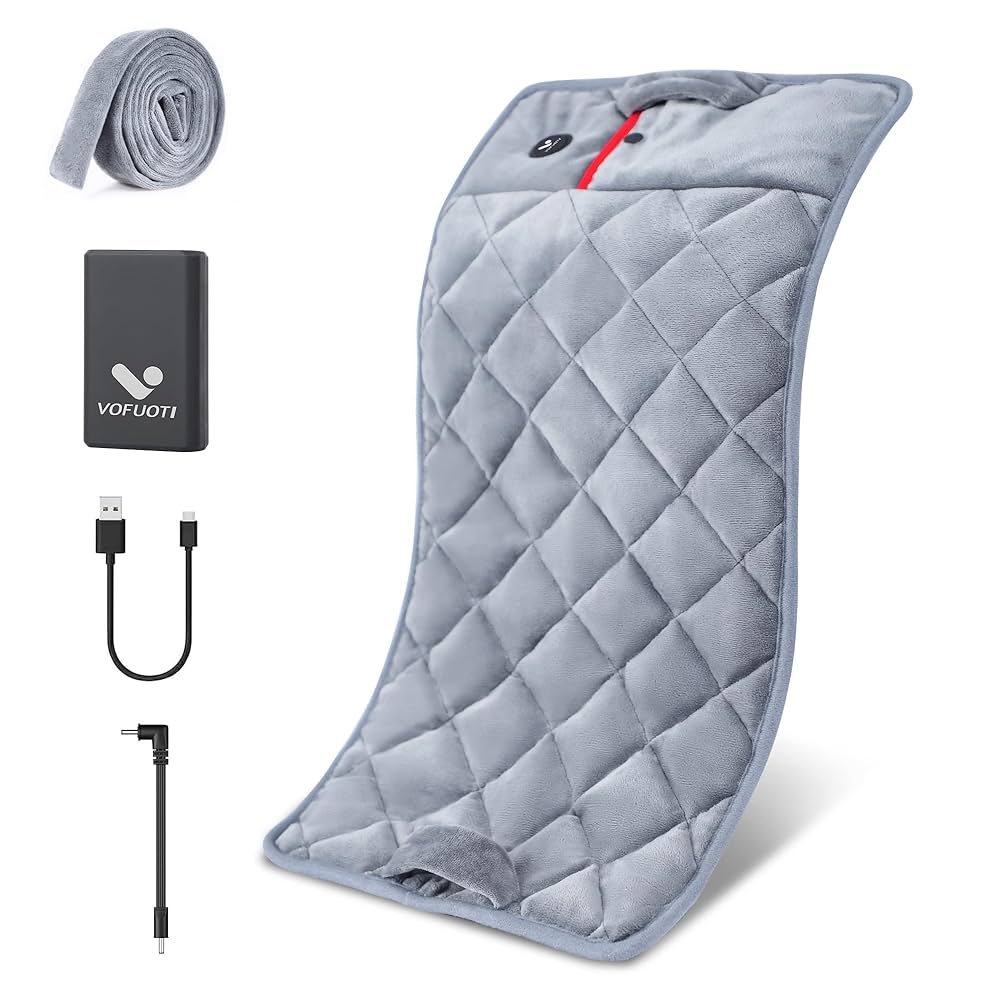
Are you wondering if heating pads are allowed in nursing homes? If you or your loved one rely on heating pads for pain relief or comfort, this question is important.
Nursing homes have specific rules to keep residents safe, and knowing these rules can help you avoid surprises. You’ll discover what nursing homes say about heating pads, why they might have restrictions, and how you can safely use them if allowed.
Keep reading to get clear answers and make the best choices for your care or your loved one’s well-being.
Credit: www.yahoo.com
Nursing Home Policies On Heating Pads
Many nursing homes have specific rules about using heating pads. These rules help keep residents safe and comfortable.
Heating pads can relieve pain, but they may cause risks if not used properly. Nursing homes balance benefits and safety in their policies.
Common Rules And Restrictions
Nursing homes often limit heating pad use to prevent accidents. Only approved heating pads might be allowed.
Staff may need to check heating pads before use. Some homes require supervision when residents use them.
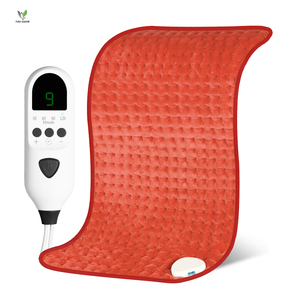
- Heating pads must have automatic shut-off features
- Use time may be limited to avoid burns
- Heating pads often must be inspected regularly
- Residents may need staff approval before use
- Wet or damaged heating pads are not allowed
Reasons For Limitations
Heating pads can cause burns if used too long or at high heat. Some residents may not feel pain well.
Electric heating pads might pose fire risks. Nursing homes want to reduce accidents and ensure safety.
- Some residents have sensitive or thin skin
- Memory problems can lead to unsafe use
- Electrical problems can cause fires
- Staff must manage many residents safely
- Policies help prevent accidents and injuries
Safety Concerns With Heating Pads
Heating pads can help relieve pain and stiffness. Nursing homes often use them for comfort. Safety is very important with these devices.
Using heating pads in nursing homes needs care. Some risks come with heat and electricity. Staff must watch for these to keep residents safe.
Risk Of Burns And Skin Damage
Heating pads can cause burns if used too long or on high settings. Older adults have thinner skin. They may not feel heat well.
Skin damage can happen without pain signals. Caregivers should check skin often. Avoid using heating pads on damaged or numb skin.
- Limit heating pad use to 15-20 minutes
- Use low or medium heat settings
- Check skin before and after use
- Never use on broken or irritated skin
Electrical Hazards
Heating pads use electricity. Faulty cords or plugs can cause shocks or fires. Nursing homes must inspect heating pads regularly.
Heating pads should have automatic shut-off features. Staff should unplug devices after use. Avoid using heating pads near water.
- Check cords for frays or damage
- Use heating pads with safety certifications
- Unplug after each use
- Keep heating pads dry and away from water
Proper Usage Guidelines
Follow instructions for heating pad use. Set timers to avoid long exposure. Keep heating pads away from bedding and clothing.
Staff should help residents use heating pads. Never leave residents alone with a heating pad on. Regular checks reduce risks.
- Read and follow the heating pad manual
- Use a timer to limit heating time
- Place heating pads on top of clothing, not directly on skin
- Supervise residents during use
Alternatives To Heating Pads
Heating pads may not always be allowed in nursing homes due to safety concerns. Many facilities prefer safer ways to keep residents warm and relieve pain. This article explores some good alternatives that nursing homes often use.
These alternatives provide comfort without the risks that heating pads might bring. They help residents stay warm and manage aches safely.
Warm Blankets And Clothing
Warm blankets and clothing help keep residents comfortable. They are easy to use and do not require electricity. Nursing homes often use these because they are safe and effective.
- Fleece blankets for extra warmth
- Layered clothing to trap heat
- Thermal socks and gloves
- Heated mattress pads approved by the facility
Therapeutic Massage
Massage helps improve blood flow and reduce muscle pain. Staff trained in therapeutic massage can safely provide this service. It is a natural way to ease discomfort without heat.
- Improves circulation
- Reduces muscle stiffness
- Promotes relaxation
- Non-invasive and safe
Heat Therapy Devices Approved For Nursing Homes
Some heat therapy devices are allowed because they meet strict safety rules. These devices give controlled heat and turn off automatically. Nursing homes choose these to avoid accidents.
| Device | Features | Safety |
| Electric heating blankets | Automatic shut-off, low voltage | Facility approved |
| Microwaveable heat packs | No electricity needed, reusable | Safe when used properly |
| Infrared heat lamps | Targeted heat, timer control | Supervised use only |

Credit: www.amazon.com
Tips For Using Heating Pads Safely
Heating pads can help ease pain and stiffness. They are often used in nursing homes to provide comfort. Using them safely is very important to avoid burns or injuries.
Follow simple rules to keep residents safe. This guide shares key tips on how to use heating pads carefully in nursing homes.
Supervision And Time Limits
Always watch residents when they use a heating pad. Do not leave them alone with it. Heating pads should be used for short periods only.
Limit use to 15-20 minutes at a time. Longer use can cause skin burns or discomfort. Make sure to check on residents often during use.
- Never leave a heating pad unattended
- Set a timer for 15-20 minutes use
- Check skin for redness or irritation
Checking Equipment Regularly
Inspect heating pads before every use. Look for signs of wear like cracks or exposed wires. Damaged pads can cause electric shocks or fires.
Make sure the pad’s controls work properly. Test the heat settings and turn it off after use. Replace any faulty equipment right away.
- Check for tears or cracks on the pad
- Ensure cords and plugs are intact
- Test all heat settings before use
- Replace old or damaged pads immediately
Consulting Healthcare Providers
Talk to doctors or nurses before using heating pads. Some health conditions may make heat therapy unsafe. Follow their advice on use and timing.
Healthcare providers can suggest safe ways to use heating pads. They can also recommend alternatives if needed. Always share any skin changes or discomfort with them.
- Ask healthcare staff about heating pad use
- Follow medical advice on heat therapy
- Report skin problems or pain immediately
- Use heating pads only if approved by a doctor
Role Of Staff In Ensuring Safety
Staff play a key role in keeping nursing home residents safe. They watch over residents and help with heating pad use.
Proper care and training reduce risks linked to heating pads. Staff must know how to act in emergencies too.
Monitoring Residents
Staff must check residents often when heating pads are in use. They look for signs of burns or discomfort. Careful monitoring helps prevent accidents.
- Check the heating pad temperature regularly
- Watch for skin redness or irritation
- Ask residents if they feel too hot or uncomfortable
- Remove heating pads if any problems appear
Training On Heating Pad Use
Staff must get training before helping residents use heating pads. Training teaches safe use and risks to avoid.
| Training Topic | Details |
| Proper Pad Placement | How to place heating pads safely on the body |
| Time Limits | How long residents can safely use heating pads |
| Checking for Skin Damage | Signs of burns or irritation to watch for |
| Emergency Actions | Steps to take if a resident is hurt or uncomfortable |
Emergency Procedures
Staff must act fast if a resident has trouble using a heating pad. They follow clear steps to keep residents safe.
- Turn off and remove the heating pad immediately
- Check the skin for burns or redness
- Provide first aid if needed, like cooling the skin
- Notify medical staff or a nurse at once
- Document the incident for future safety checks
Credit: www.alibaba.com
Frequently Asked Questions
Are Heating Pads Safe For Nursing Home Residents?
Heating pads can be safe if used properly under supervision. Nursing homes often have guidelines to prevent burns or misuse. It’s important to follow facility rules and ensure pads have automatic shut-off features for added safety.
Why Do Some Nursing Homes Restrict Heating Pad Use?
Nursing homes restrict heating pads to avoid burns and accidents. Residents may have sensitive skin or reduced sensation. Staff aim to protect residents from overheating or electrical hazards, ensuring overall safety.
Can Family Members Bring Heating Pads To Nursing Homes?
Family members should check with nursing home staff before bringing heating pads. Many facilities have specific policies about personal medical devices. Approval ensures the heating pad meets safety standards and aligns with resident care plans.
What Alternatives To Heating Pads Are Allowed In Nursing Homes?
Alternatives like warm blankets, heated gel packs, or warm water bottles are often allowed. These options reduce burn risks and provide safe comfort. Always consult nursing staff for recommended and approved warming methods.
Conclusion
Heating pads can be helpful for many nursing home residents. Staff must check safety rules before use. Proper use lowers risks like burns or accidents. Always choose approved heating pads for nursing homes. Talk to caregivers or nurses about using one.
Safe warmth can improve comfort and ease pain. Small steps keep residents safe and cozy. Remember, safety and care come first in every choice.