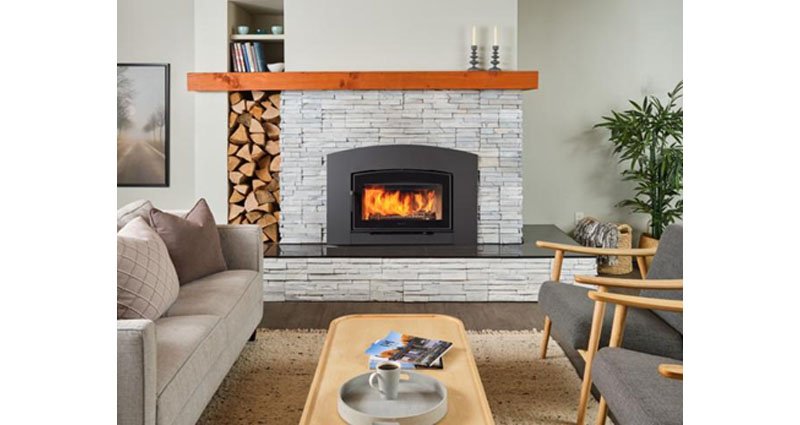
A home fireplace creates a cozy and warm atmosphere that you love. But did you know that most of the heat it produces doesn’t actually stay inside your room?
You might be surprised to learn where that warmth is really going—and how it affects your comfort and energy bills. If you want to make your fireplace work better for you, keep reading. Understanding why a fireplace loses most of its heat can help you enjoy more warmth and save money on heating.
Let’s uncover the hidden reasons behind this common problem.
Heat Loss In Fireplaces
Fireplaces look warm and cozy, but they lose a lot of heat. Most of the heat goes up the chimney instead of warming your room.
This heat loss means your home stays colder and your heating bills rise. Understanding how heat escapes helps reduce this problem.
How Warmth Escapes
Heat escapes from a fireplace in several ways. Some heat goes up the chimney with smoke. Other heat leaves through the walls and glass doors.
- Warm air rises and leaves through the chimney.
- Cold air can enter the room through gaps.
- Heat escapes through the fireplace glass doors.
- The fireplace structure absorbs some heat.
Role Of Chimneys And Flues
The chimney and flue carry smoke outside. They also let warm air escape, which cools the room.
| Part | Function | Effect on Heat |
| Chimney | Moves smoke outside | Lets warm air escape |
| Flue | Controls airflow | Can be opened or closed to reduce heat loss |
| Dampers | Seal chimney when off | Help keep warm air inside |
Common Fireplace Designs
Fireplaces come in many styles. Each design has different heat efficiency. Knowing common types helps you choose what fits your home.
This guide explains three popular fireplace designs. We will look at how they work and their heat loss characteristics.
Open Hearth Fireplaces
Open hearth fireplaces are the traditional style. They have a large open space for the fire. This design looks beautiful but loses much heat.
Most heat goes up the chimney. Only a small part warms the room. This makes open hearth fireplaces less efficient for heating.
Enclosed Fireplaces
Enclosed fireplaces have glass doors or panels. These keep warm air inside the room. They burn wood in a closed space, reducing heat loss.
- Better heat retention than open hearth
- Safer because sparks stay inside
- Can have fans to spread heat
- Needs proper ventilation
Insert Fireplaces
Insert fireplaces fit into existing open hearths. They are metal boxes with glass fronts. Inserts improve heat output and cut down heat loss.
| Feature | Benefit |
|---|---|
| Metal box design | Radiates heat into room |
| Glass front | Keeps smoke out and heat in |
| Fits existing fireplace | Easy upgrade without remodeling |
| Air controls | Better burn control and efficiency |
Factors Contributing To Heat Waste
A home fireplace can lose most of its heat through several issues. Understanding these problems can help reduce heat waste.
Heat loss means your home stays cold even when the fireplace is on. Fixing the causes can make your fireplace warmer.
Drafts And Air Leakage
Drafts let cold air enter your home and push warm air out. Air leaks around doors, windows, and chimneys cause this.
When cold air comes in, the fireplace has to work harder. This wastes the heat your fire produces.
- Cracks in walls or window frames
- Gaps around chimney and fireplace doors
- Poorly sealed vents or dampers
Inefficient Combustion
Fireplaces that burn wood or gas poorly lose heat fast. Bad combustion means not all fuel turns into heat.
Smoke and gases take heat away through the chimney. The fire also produces less warmth for the room.
- Using wet or unseasoned wood
- Low oxygen supply to the fire
- Clogged or dirty fireplace parts
Poor Insulation
Fireplaces with weak insulation lose heat through walls and the chimney. This lets warm air escape outside.
Insulation keeps heat inside the room. Without it, most heat moves out quickly, making the fireplace less effective.
- Thin or missing chimney liners
- Uninsulated fireplace surrounds
- Old or damaged insulation materials

Credit: fireplaceexperts.com
Impact On Home Energy Efficiency
A home fireplace can lose most of its heat through the chimney and walls. This loss affects how well the home stays warm. It also raises energy use and costs.
Understanding this heat loss helps homeowners make better choices. They can improve heating systems and reduce waste.
Increased Heating Costs
When a fireplace loses heat, your heating system works harder. It uses more fuel or electricity to keep rooms warm. This causes higher bills each month.
- More energy is needed to heat the home.
- Heating systems wear out faster from overuse.
- Higher energy bills reduce household savings.
- Extra fuel use increases risks of outages.
Environmental Consequences
Heat lost from fireplaces means more fuel is burned. This adds to air pollution and carbon emissions. It harms the environment and climate.
| Effect | Cause | Impact |
| Increased Carbon Emissions | Extra fuel use | Global warming |
| Air Pollution | Burning more fuel | Health problems |
| Resource Waste | Heat loss | More energy needed |
Improving Fireplace Heat Retention
A home fireplace can lose most of its heat through the chimney. Improving heat retention is important for better warmth and energy efficiency.
There are several ways to improve the heat retention of your fireplace. Simple changes can make a big difference in how much heat stays in your home.
Installing Fireplace Doors
Fireplace doors help keep warm air inside the house. They stop drafts from the chimney and improve safety by keeping sparks contained.
Choose doors made of tempered glass for durability. Make sure the doors fit well to prevent air leaks.
Using Fireplace Inserts
Fireplace inserts are metal boxes that fit inside your fireplace. They are designed to improve heat retention by creating a closed system.
Inserts can be wood-burning, gas, or electric. They increase efficiency and reduce energy loss.
Adding Heat Exchangers
Heat exchangers capture heat from the fireplace and circulate it into the room. They use fans to distribute warm air evenly.
These devices can be added to existing fireplaces. They help maximize the heat output and improve comfort in your home.
Alternatives To Traditional Fireplaces
Traditional fireplaces look nice, but they lose a lot of heat. This means they are not always the best choice for heating. There are other options that keep your home warm and cozy.
These alternatives are efficient and can fit different styles and needs. Let’s explore some of them.
Gas Fireplaces
Gas fireplaces are easy to use and provide consistent heat. They don't need wood and produce fewer emissions.
They can be turned on with a switch, making them convenient. Many styles and sizes are available to match your home.
- No need for wood storage
- Cleaner than wood fireplaces
- Various designs available
Electric Fireplaces
Electric fireplaces are simple to install. They only need an electrical outlet and can be placed anywhere.
They are safe and have no real flames. This makes them a good option for homes with children or pets.
- Plug and play installation
- No real flames, safe for kids
- Variety of styles to choose from
Pellet Stoves
Pellet stoves burn small pellets made from wood waste. They are efficient and produce steady heat.
The pellets come in bags, making them easy to store. These stoves can heat large areas and are environmentally friendly.
- Uses renewable fuel
- Efficient heating for large spaces
- Pellets are easy to store
Maintenance Tips To Reduce Heat Loss
A home fireplace can lose most of its heat if not properly maintained. Simple care steps help keep the heat inside your home. This saves energy and keeps rooms warm.
Follow these maintenance tips to reduce heat loss and improve your fireplace’s efficiency.
Chimney Cleaning
Clean your chimney regularly to remove soot and creosote. These build-ups block airflow and reduce heat output. A clean chimney helps smoke leave safely and keeps heat inside.
Have your chimney cleaned at least once a year. This prevents fire hazards and improves heating performance.
Sealing Gaps
Check for gaps around the fireplace and chimney. Air leaks cause warm air to escape and cold air to enter. Seal gaps with fire-resistant materials to keep heat inside.
- Use high-temperature caulk around the firebox
- Seal cracks in the chimney structure
- Install a chimney cap to block drafts
Regular Inspection
Inspect your fireplace often for cracks and damage. Small problems can cause big heat loss. Fix issues quickly to keep your fireplace working well.
- Look for cracks in the firebox and chimney
- Check the damper for proper sealing
- Make sure the glass doors close tightly

Credit: www.reddit.com

Credit: middleheight.com
Frequently Asked Questions
Why Does A Home Fireplace Lose Most Of Its Heat?
A home fireplace loses heat mainly due to chimney drafts. Warm air escapes through the chimney, drawing cold air inside. This airflow reduces overall room warmth and causes heat loss, making fireplaces less efficient than modern heating options.
How Much Heat Escapes Through A Fireplace Chimney?
Up to 90% of the heat from a fireplace can escape through the chimney. This significant loss happens because hot air rises and exits, carrying heat outside instead of warming the room effectively.
Can A Fireplace Insert Reduce Heat Loss?
Yes, a fireplace insert improves efficiency by sealing gaps and controlling airflow. It helps retain more heat inside the room and reduces warm air escaping through the chimney, making your fireplace more effective.
What Causes Heat Loss In An Open Fireplace?
Heat loss in an open fireplace is caused by uncontrolled airflow and lack of insulation. Warm air rises quickly up the chimney, while cold air is drawn into the room, lowering indoor temperature.
Conclusion
A home fireplace loses most of its heat through the chimney. Warm air escapes quickly, making rooms colder. Closing the damper when not in use helps save heat. Adding glass doors can also reduce heat loss. Using a fireplace insert improves warmth and efficiency.
Simple steps make a big difference in comfort. Keep your home cozy and reduce wasted heat. Small changes create a warmer, more energy-friendly space.